Crypto Lobby War: Industry Drops $200M to Force CLARITY Act Through US Senate
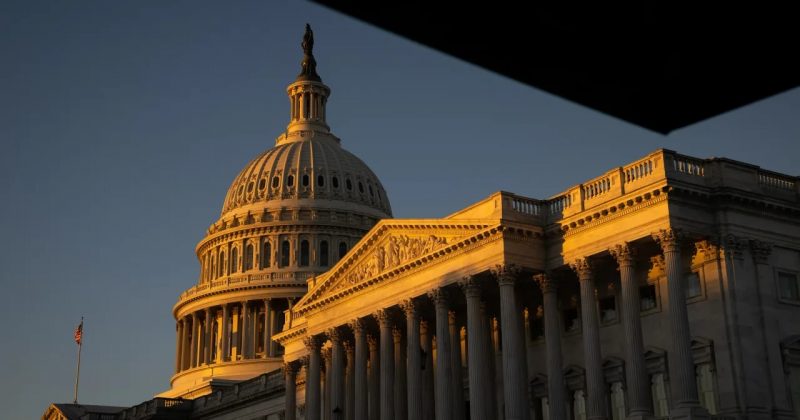
The crypto industry has launched a massive $200 million lobbying campaign aimed at pushing the CLARITY Act through the US Senate. This aggressive financial deployment is a calculated move to secure much-needed regulatory clarity and mitigate the legal risks currently facing digital asset firms.
As this legislative battle unfolds, the broader market remains highly sensitive to political developments. The successful passage of the CLARITY Act could serve as a catalyst for institutional adoption, providing the legal framework necessary for the long-term stability of the crypto ecosystem and the Bitcoin market.
The crypto industry is deploying unprecedented capital to shape the regulatory landscape in Washington. By spending $200 million to advance the CLARITY Act through the US Senate, industry leaders are fighting to establish a definitive set of rules for digital assets.
This high-stakes political maneuver comes at a critical juncture for the market. As the industry fights for legislative certainty, the focus remains on how these regulatory shifts will influence market liquidity and the continued dominance of Bitcoin in the global financial system.
This is a summarized and adapted version by Artificial Intelligence. To read the complete original story, visit the official source.
Read Full Article at Crypto BriefingSupport Jornal Bitcoin
Independent journalism, curated by AI, no clickbait. Keep the flame alive with any amount of BTC.
jonata@walletofsatoshi.comDaily Crypto Brief 📬
Subscribe to receive the curation of the most important Bitcoin and crypto news, summarized by AI. No spam.
Join more than 10,000 smart readers.
Related News

US DOJ Targets $25M in Crypto Linked to Global Romance and Investment Scams
This massive seizure underscores the rising threat of crypto-enabled social engineering and the complex laundering networks used to hide stolen assets. By utilizing fraudulent trading platforms and layered wallet transfers, scammers attempted to mask their tracks, but this decisive action highlights the increasing ability of law enforcement to track and reclaim digital assets from global criminal syndicates.

Crypto War: Digital Chamber Sues Illinois Over Landmark 0.2% Digital Asset Tax
This legal confrontation aims to set a precedent for how digital assets are taxed across the United States. By contesting this specific tax on crypto transfers, the association is fighting to prevent a wave of similar state-level taxation that could stifle liquidity and innovation within the blockchain ecosystem.
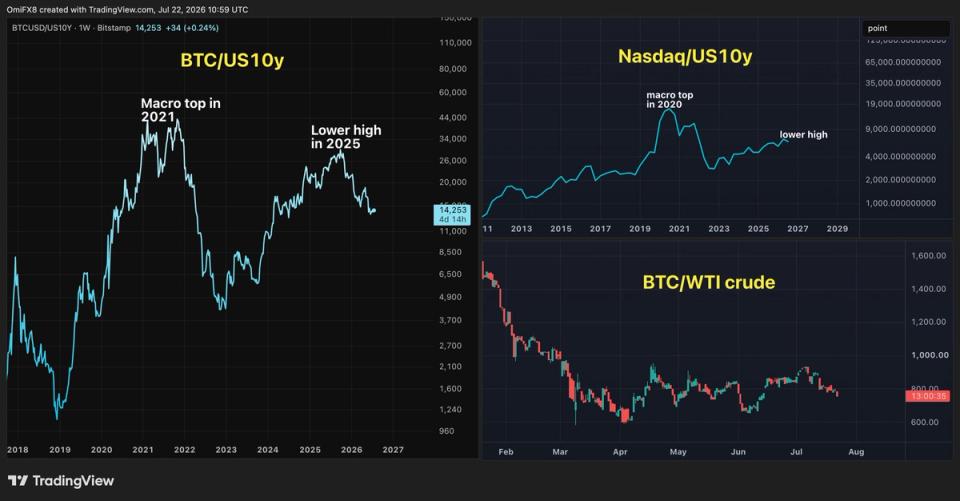
The Hidden Catalyst: Why Bitcoin Bulls Must Watch Interest Rates Closely
Analyzing the correlation between the cost of borrowing and risk assets is essential for navigating upcoming market volatility. As the economic cycle shifts, Bitcoin's sensitivity to interest rate fluctuations will dictate whether the crypto market enters a parabolic bull run or a period of sustained stagnation.

Middle East Escalation: Iran Strikes US Bases in Jordan, Sending Shockwaves Through Crypto Markets
This escalation carries profound implications for the crypto market, where sudden geopolitical shifts often drive massive volatility. As investors react to the news, the digital asset space is bracing for a tug-of-war between panic-driven liquidations and the potential surge in Bitcoin demand as a hedge against global instability.

Bitcoin Governance Alert: Foundry USA Calls for Critical BIP-110 Miner Vote
This low participation rate underscores the complexities of Bitcoin governance and the difficulty of achieving consensus among large-scale mining operations. The outcome of this vote could dictate the speed of technical upgrades and influence how the Bitcoin network evolves to meet future scaling and efficiency demands.

Crypto Exodus in South Korea: Retail Investors Pivot from Digital Assets to Stocks
As the KOSPI benchmark index more than doubled, trading volumes on won-based platforms like Upbit and Bithumb saw a substantial contraction. This trend suggests that the retail appetite for risk is currently being captured by the surging stock market rather than the volatile cryptocurrency sector.
