The Hidden Catalyst: Why Bitcoin Bulls Must Watch Interest Rates Closely
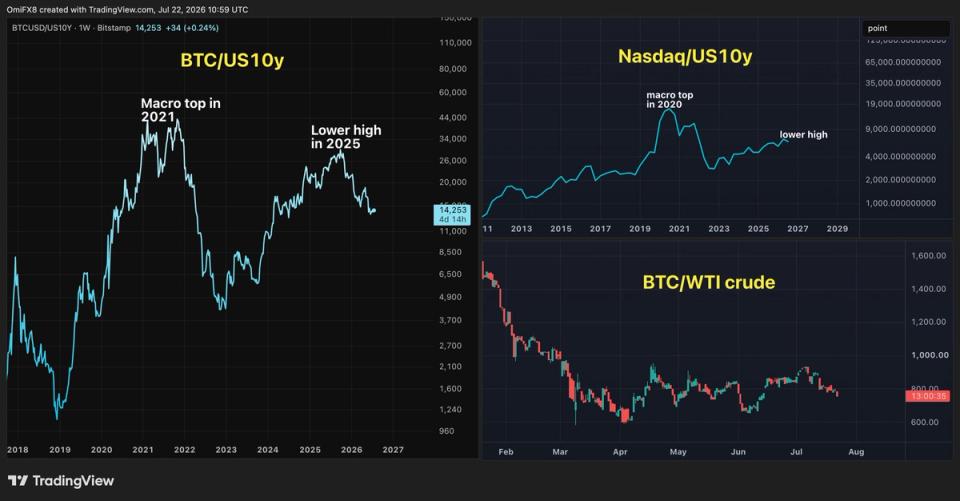
Interest rate trajectories are set to redefine the Bitcoin landscape, demanding immediate attention from market bulls and institutional investors. This intel brief underscores how central bank monetary policy acts as the ultimate pivot point for BTC price action and global liquidity flows.
Analyzing the correlation between the cost of borrowing and risk assets is essential for navigating upcoming market volatility. As the economic cycle shifts, Bitcoin's sensitivity to interest rate fluctuations will dictate whether the crypto market enters a parabolic bull run or a period of sustained stagnation.
Bitcoin bulls need to look beyond simple technical analysis and focus on the macroeconomic engine: interest rates. The interplay between monetary policy and digital assets is a critical driver of market sentiment. Lower rates typically signal increased liquidity and risk appetite, favoring Bitcoin, whereas hawkish stances can suppress asset prices. Monitoring these shifts is vital for any strategic crypto positioning.
This is a summarized and adapted version by Artificial Intelligence. To read the complete original story, visit the official source.
Read Full Article at CoinDeskSupport Jornal Bitcoin
Independent journalism, curated by AI, no clickbait. Keep the flame alive with any amount of BTC.
jonata@walletofsatoshi.comDaily Crypto Brief 📬
Subscribe to receive the curation of the most important Bitcoin and crypto news, summarized by AI. No spam.
Join more than 10,000 smart readers.
Related News

Bitcoin Finance Evolution: Hashi Testnet Goes Live to Accelerate Global Adoption
The activation of this testnet signals a paradigm shift in global adoption, paving the way for unprecedented DeFi protocols and liquidity. With the Hashi Testnet now operational, the path toward institutional integration and the scalability of the Bitcoin ecosystem becomes clearer and more immediate.

Bitcoin Surges Past $66,000, But 4 Red Flags Suggest This Rally Is Far From Normal
Deep-dive data from VanEck reveals that the rebound is starting from a much weaker position than the headline price suggests. By examining investor behavior and specific technical indicators, it becomes clear that this Bitcoin rally carries unique risks, as the underlying strength may not match the visible price surge, potentially leading to unexpected volatility.

End of an Era: Satsuma Shareholders Approve Bitcoin Liquidation and London Delisting
This strategic retreat follows heavy financial losses that undermined the company's core mission. The decision to proceed with Bitcoin liquidation and exit the London market highlights the intense volatility and risks associated with corporate Bitcoin treasury models, providing a stark lesson for institutional players navigating the intersection of traditional finance and digital assets.

Jamie Dimon's Warning: Why the JPMorgan CEO is Avoiding Stocks and Long-Term Bonds
This defensive stance highlights a growing skepticism regarding market valuations and the potential for sudden volatility. As Dimon shifts away from aggressive positioning, his insights provide a crucial perspective on the macroeconomic landscape, suggesting that the current appetite for risk may be disconnected from underlying fiscal realities.

Polymarket Odds Hit 85% for Fed Hold in July as Oil Risks Threaten Outlook
However, the landscape is shifting as oil-related risks emerge to reshape global financial outlooks. Recent analysis from BNY suggests that volatility in the oil market could cap the carry appeal of certain currencies, acting as a macro signal that dictates how long the Fed's restrictive stance will persist and influencing broader capital flows.
Trump’s Trade War Escalation: Why Crypto is Emerging as an Unlikely Safe Haven
This unusual synergy suggests that while traditional trade wars destabilize fiat currencies and global markets, the pro-crypto stance of the administration could position digital assets as a vital safe haven. Investors may increasingly turn to the crypto ecosystem to hedge against the systemic risks posed by escalating protectionism and trade disputes.
