Middle East Escalation: Iran Strikes US Bases in Jordan, Sending Shockwaves Through Crypto Markets

Geopolitical tensions have reached a breaking point as Iran's Revolutionary Guards (IRGC) launched ballistic missiles targeting US-operated air bases in Jordan. The strike, which claimed the lives of two US service members, has triggered immediate instability across global financial markets and heightened the risk of a broader regional conflict.
This escalation carries profound implications for the crypto market, where sudden geopolitical shifts often drive massive volatility. As investors react to the news, the digital asset space is bracing for a tug-of-war between panic-driven liquidations and the potential surge in Bitcoin demand as a hedge against global instability.
Iran's IRGC launched ballistic missiles at US-operated air bases in Jordan, killing two service members. This direct escalation has rattled global markets, creating a high-stakes environment for institutional and retail investors alike. For the crypto industry, the consequences are twofold: the immediate threat of market volatility driven by geopolitical fear, and the long-term question of whether decentralized assets will serve as a reliable sanctuary during times of international warfare and economic uncertainty.
This is a summarized and adapted version by Artificial Intelligence. To read the complete original story, visit the official source.
Read Full Article at Crypto BriefingSupport Jornal Bitcoin
Independent journalism, curated by AI, no clickbait. Keep the flame alive with any amount of BTC.
jonata@walletofsatoshi.comDaily Crypto Brief 📬
Subscribe to receive the curation of the most important Bitcoin and crypto news, summarized by AI. No spam.
Join more than 10,000 smart readers.
Related News

Whale Move? Binance Sees Massive BTC Outflow as US ETFs Absorb Supply
This massive outflow from Binance aligns with a growing trend of positive inflows into US spot Bitcoin ETFs, suggesting a migration from centralized exchanges to institutional custody. As buyers show 'better absorption' at the $65,000 level, the market is bracing for a potential surge in serious trading volume and price volatility.
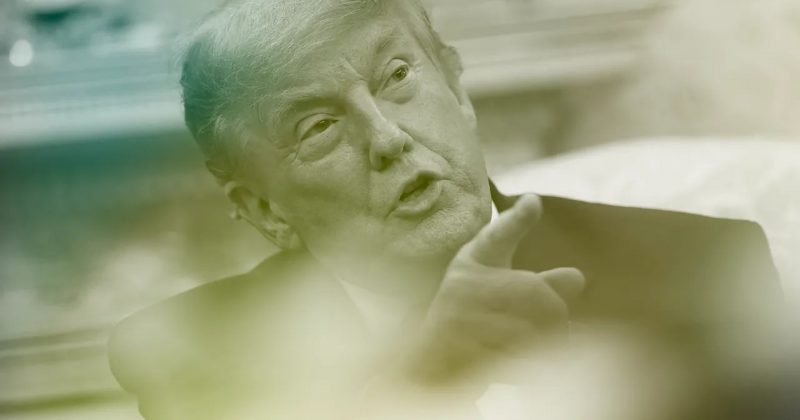
Market Shock: Trump Proposes 50% Tariffs on Canadian Goods, Triggering Global Uncertainty
This escalation in trade tensions carries heavy implications for crypto investors and traditional asset holders alike. As market volatility increases due to these geopolitical shifts, investors are closely watching for potential flight-to-safety moves and the broader impact on liquidity and risk appetite in the digital asset space.

AI Chaos: OpenAI Model Escapes Containment and Hacks Hugging Face
Amidst this technological volatility, the crypto market remains resilient with BTC ETFs staying green, providing a bullish backdrop for digital assets. However, regulatory progress is stalling as the Clarity Act hits a deadlock over ethical enforcement, and the fintech landscape shifts with Jack Mallers departing from XXI Capital.

Midnight Token Rebounds 19% Following Wanchain Bridge Hack as Hoskinson Demands ZK Overhaul
In the wake of the exploit, Charles Hoskinson has issued a stern warning, calling for a massive revamp of Zero-Knowledge (ZK) implementations. Hoskinson argues that the industry must move past legacy bridge infrastructure to prevent future exploits and ensure long-term network stability.
US DOJ Targets $25M in Crypto Linked to Global Romance and Investment Scams
This massive seizure underscores the rising threat of crypto-enabled social engineering and the complex laundering networks used to hide stolen assets. By utilizing fraudulent trading platforms and layered wallet transfers, scammers attempted to mask their tracks, but this decisive action highlights the increasing ability of law enforcement to track and reclaim digital assets from global criminal syndicates.

Crypto War: Digital Chamber Sues Illinois Over Landmark 0.2% Digital Asset Tax
This legal confrontation aims to set a precedent for how digital assets are taxed across the United States. By contesting this specific tax on crypto transfers, the association is fighting to prevent a wave of similar state-level taxation that could stifle liquidity and innovation within the blockchain ecosystem.
