Haddad Attacks 14.25% Selic Rate: A Paradigm Shift in Brazil's Fiscal Debate
In a move set to shake financial markets, the former Finance Minister has launched a sharp critique against maintaining the Selic rate at 14.25%. His core argument posits that high interest rates, rather than public spending, are the primary driver of Brazil's state debt, directly challenging the current monetary policy narrative.
This confrontation places the tension between monetary and fiscal policy at the forefront of the national agenda. As the debate intensifies, the implications for Brazil's credit risk and capital flows could be profound, potentially reshaping how investors perceive the country's long-term economic stability.
The statement raises a fundamental question for Brazil's fiscal future: the weight of debt servicing versus expenditure control. As markets closely monitor the Central Bank's stance, Haddad's remarks signal an attempt to shift the focus of fiscal responsibility from spending cuts to the necessity of a less restrictive monetary environment.
This is a summarized and adapted version by Artificial Intelligence. To read the complete original story, visit the official source.
Read Full Article at BlockTrendsSupport Jornal Bitcoin
Independent journalism, curated by AI, no clickbait. Keep the flame alive with any amount of BTC.
jonata@walletofsatoshi.comDaily Crypto Brief 📬
Subscribe to receive the curation of the most important Bitcoin and crypto news, summarized by AI. No spam.
Join more than 10,000 smart readers.
Related News
Polymarket Alert: Odds of July Fed Rate Hold Surge to 78%
As U.S. stocks see marginal gains driven by AI-linked winners, Treasury yields are also ticking upward, creating a complex backdrop for traders. With major bank earnings on the horizon, the market remains on edge, balancing the momentum of the tech sector against the looming influence of central bank decisions and yield volatility.

Fed Rate Cut Hopes Fading? Polymarket Odds for Zero Cuts in 2026 Hit 78% Following Warsh Move
The shift follows Kevin Warsh's appointment of experts to five Federal Reserve task forces designed to review core policies and operations. As these findings are reported back to FOMC officials, potential structural changes to the Fed's framework are expected later this year, creating significant volatility for global markets.
Inflation Surprise Triggers Selic Cut Bets as Ibovespa Hits New Highs!
This bullish sentiment translated directly into equity markets, driving the Ibovespa to hit major milestones fueled by a rally in the banking sector. As the market anticipates a more accommodative monetary policy through a Selic reduction, the momentum for risk assets remains exceptionally strong.

Market Alert: University of Michigan Defends Consumer Sentiment Gauge Amid Intense Scrutiny
As scrutiny intensifies, the potential impact on economic forecasts cannot be overstated. Shifts in how this data is perceived could fundamentally reshape market strategies and influence critical monetary policy decisions, creating new layers of uncertainty for global markets.
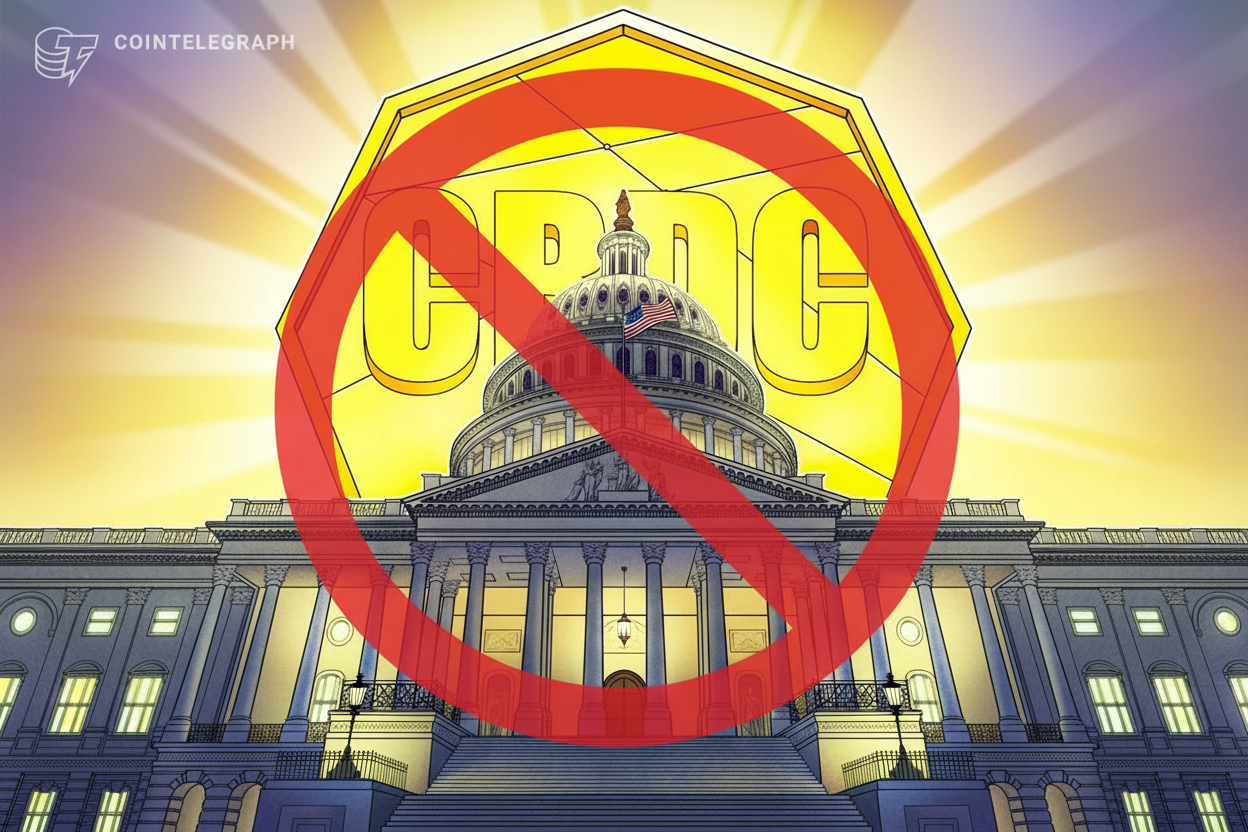
Trump Veto Fails: US CBDC Ban Set to Become Law Automatically
This constitutional mechanism bypasses the presidential signature, cementing a significant legislative victory for those opposing state-controlled digital assets. As the deadline approaches, the focus shifts from the housing bill to the political friction surrounding the SAVE America Act and the future of digital finance in the United States.

De-dollarization Alert: Angola Permits Banks to Use China's Yuan for Reserves
The inclusion of the Yuan reflects China's expanding economic footprint and could serve as a blueprint for other emerging markets seeking to mitigate dollar-related risks. As global finance shifts, Angola's policy change highlights the growing momentum behind de-dollarization efforts and the reconfiguration of global monetary power.
