Trump Veto Fails: US CBDC Ban Set to Become Law Automatically
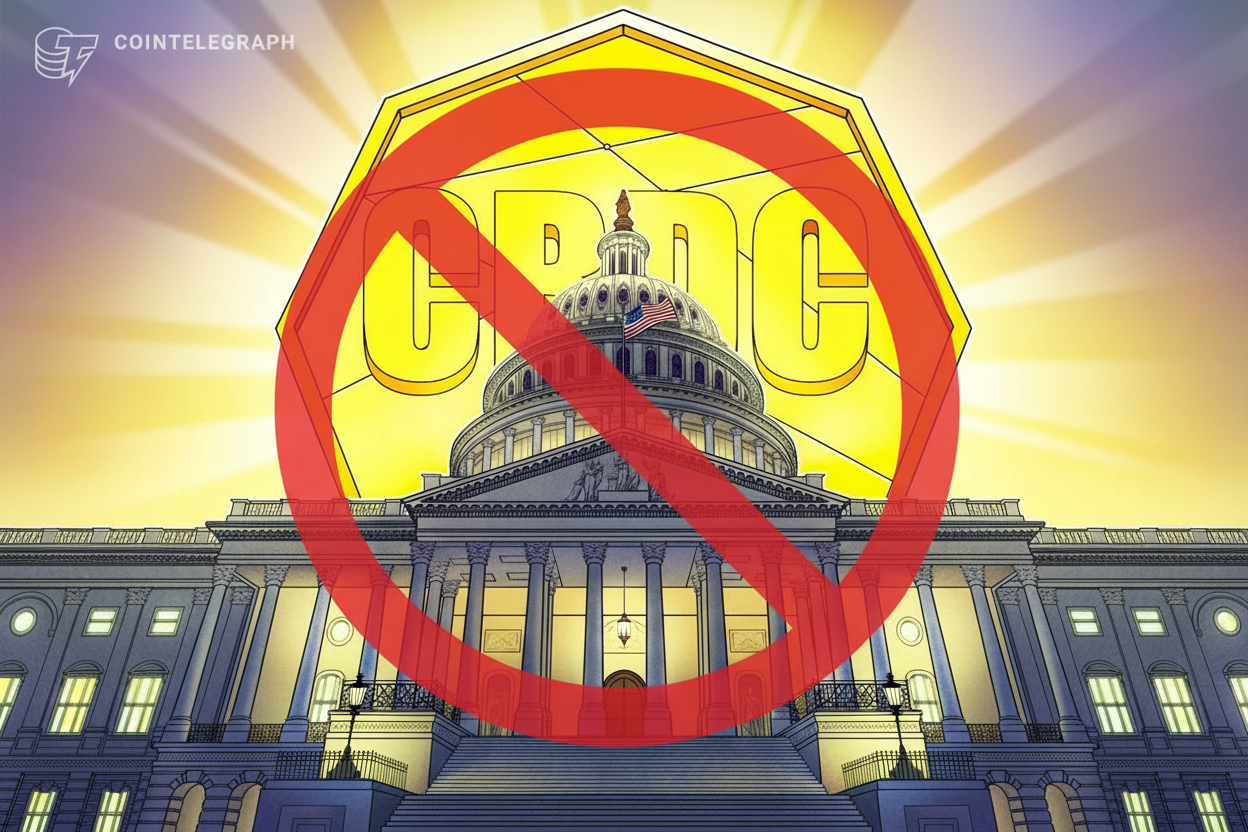
A major shift in US monetary policy is imminent. Despite Donald Trump's refusal to sign the '21st Century ROAD to Housing Act', the bipartisan legislation is set to become law automatically, effectively banning a US CBDC (Central Bank Digital Currency) until at least 2030.
This constitutional mechanism bypasses the presidential signature, cementing a significant legislative victory for those opposing state-controlled digital assets. As the deadline approaches, the focus shifts from the housing bill to the political friction surrounding the SAVE America Act and the future of digital finance in the United States.
Donald Trump has confirmed via social media that he will not sign the 21st Century ROAD to Housing Act, a bill that includes a ban on a US CBDC until the end of 2030. Under the US Constitution, the legislation will automatically become law this Saturday, as the maximum period for presidential action expires without a veto or signature.
Trump criticized Republican lawmakers who supported the bill and urged the Senate to prioritize the controversial SAVE America Act instead. Nevertheless, the legislative clock is running out, ensuring that the ban on a central bank digital currency will take effect regardless of the President's stance.
This is a summarized and adapted version by Artificial Intelligence. To read the complete original story, visit the official source.
Read Full Article at CoinTelegraphSupport Jornal Bitcoin
Independent journalism, curated by AI, no clickbait. Keep the flame alive with any amount of BTC.
jonata@walletofsatoshi.comDaily Crypto Brief 📬
Subscribe to receive the curation of the most important Bitcoin and crypto news, summarized by AI. No spam.
Join more than 10,000 smart readers.
Related News
Senate Showdown: Democrats Demand Probe into Trump’s Crypto Ties and National Security Risks
This push comes at a pivotal moment for the industry as the Senate prepares to vote on the Digital Asset Market Clarity (CLARITY) Act. Lawmakers are raising alarms over a massive conflict of interest, noting that Trump’s reported $1.4 billion in crypto-related earnings—driven by ventures like World Liberty Financial—could be driving him to push for legislation that directly benefits his personal financial interests.
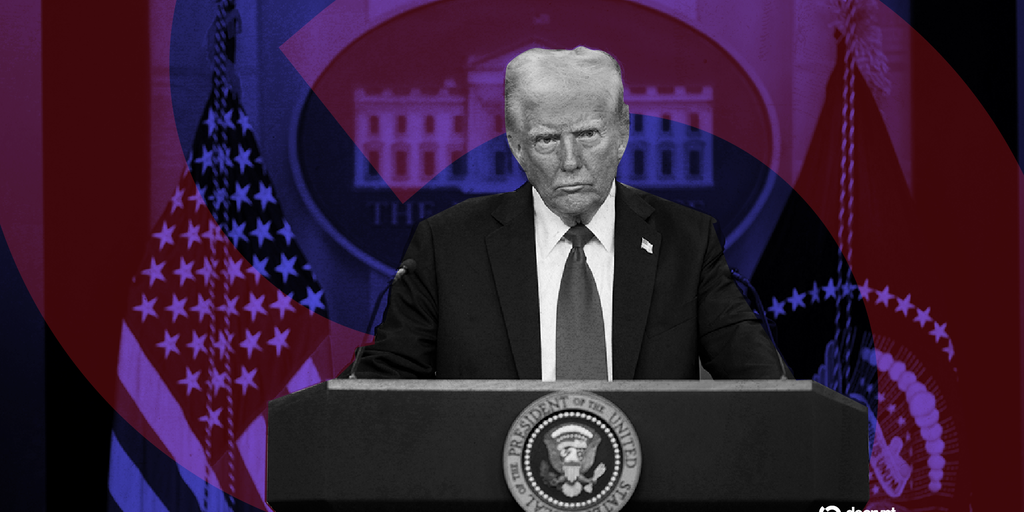
Senate Showdown: Democrats Demand Inquiry into Trump's Massive $1.2 Billion Crypto Windfall
As the political landscape shifts, this demand for Senate hearings highlights the growing intersection between high-level politics and the crypto market. The investigation could set a major precedent for how the wealth of political figures derived from crypto assets is monitored and regulated in the United States.
U.S. Lawmakers Push Senate for Urgent July Vote on CLARITY Act Amid Ethics Fears
By demanding action in July, lawmakers like Rep. French Hill are attempting to secure a regulatory foundation that prioritizes market integrity over political entanglement. The successful passage of the CLARITY Act could serve as a cornerstone for crypto regulation, providing the clarity needed to protect investors and stabilize the volatile digital asset landscape.

2,000% Surge: How and Where to Buy Hyperliquid (HYPE) Amid Crypto Bull Run
This massive rally highlights the growing dominance of decentralized finance protocols. As investors look for the next big mover, understanding the utility and liquidity of the HYPE token is essential for anyone navigating the current high-growth phase of the decentralized exchange ecosystem.

Trading Revolution: Robinhood to Enable US Users to Trade Crypto via AI Agents
The rollout of these AI-driven tools is expected to significantly boost market participation and heighten competition among major trading platforms. By integrating autonomous agents, Robinhood is not just simplifying trade execution but is fundamentally redefining the investment experience, setting a new benchmark for automation in the crypto industry.

Polymarket Odds Hit 99.95% for BTC Above $52K Despite New Hampshire Bond Rejection
This surge in confidence comes despite a significant regulatory setback in the United States. New Hampshire's Executive Council recently voted 3-2 to reject a proposed $100 million Bitcoin-backed municipal bond, stalling a major experiment in public finance. However, the market's appetite for Bitcoin appears to be decoupling from local political decisions, focusing instead on broader liquidity and price trends.
