Middle East Escalation: Iran Warns of Regional Strikes Against US Infrastructure Targets

Geopolitical tensions have reached a boiling point as Iran issues a direct warning of regional strikes in response to potential US military action. The Iranian government has made it clear that any US attempt to target its critical infrastructure will trigger a massive retaliatory response, threatening to destabilize the entire Middle East.
This escalation significantly complicates ongoing diplomatic efforts and creates a high-stakes environment for global stability. The heightened tension is expected to reduce the likelihood of a successful US-Iran deal by 2026, potentially triggering volatility across global markets and complicating international security frameworks.
Iran has issued a stern warning that it may launch regional strikes if the United States proceeds with targeting its critical infrastructure. This threat comes at a time of extreme diplomatic fragility, where any military move could trigger a chain reaction across the Middle East.
Experts suggest that this warning could further destabilize the region, complicating diplomatic efforts and reducing the likelihood of a US-Iran deal by 2026. The potential for increased conflict adds a layer of significant risk to global geopolitical stability and market predictability.
This is a summarized and adapted version by Artificial Intelligence. To read the complete original story, visit the official source.
Read Full Article at Crypto BriefingSupport Jornal Bitcoin
Independent journalism, curated by AI, no clickbait. Keep the flame alive with any amount of BTC.
jonata@walletofsatoshi.comDaily Crypto Brief 📬
Subscribe to receive the curation of the most important Bitcoin and crypto news, summarized by AI. No spam.
Join more than 10,000 smart readers.
Related News
TSMC Uncertainty: Delayed US Investment Threatens AI and Crypto Growth
This lack of clarity could significantly delay critical advancements in the AI and crypto sectors, as both industries rely heavily on high-performance chips. The potential slowdown in production capacity poses a direct risk to global tech economies and the rapid scaling of decentralized and intelligent technologies.
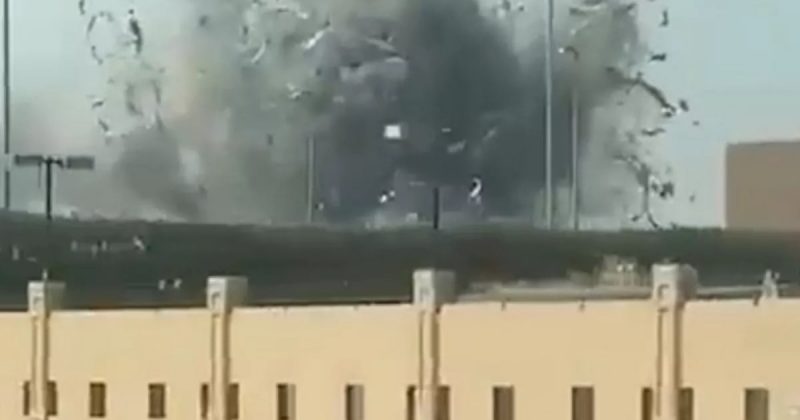
Geopolitical Shockwave: IRGC Claims Destruction of US Military Assets in Bahrain
Such instability is expected to destabilize regional markets and trigger immediate diplomatic interventions. As geopolitical risks rise, the ripple effects could cause significant volatility across global financial sectors and energy markets.

Geopolitical Shock: Odds of US Invasion of Iran Surge to 23.5% on Polymarket
As the odds of a US invasion of Iran jump to 23.5% on Polymarket, the platform is capturing a massive shift in global sentiment. This sudden surge reflects how quickly geopolitical instability can translate into measurable market volatility, leaving analysts closely monitoring the potential for a wider regional conflict.

Russian Missile Strikes Hit Kyiv and Odesa: Escalating Tensions and Global Risks
The strikes heighten NATO-Russia tensions and may signal further Russian territorial ambitions in the region. As geopolitical instability rises, the potential for broader conflict remains a primary driver of uncertainty for global markets and international security protocols.

Middle East Escalation: Military Strikes Target Iranian Cities and Airports
Beyond the immediate tactical damage, these strikes pose a direct threat to the stability of the Iranian regime itself. As the situation evolves, the resulting political instability is expected to drive significant volatility in global markets, forcing a rapid reassessment of risk premiums associated with Middle East conflicts.

Inflation Alert: Geopolitical Tensions and Super El Niño Could Spike US Food Prices
The convergence of these factors could exacerbate global food security concerns and impact long-term economic stability. Investors and consumers must closely monitor how these supply shocks might influence market volatility and international purchasing power.
