Trump Backtracks on 20% Strait of Hormuz Toll, Easing US-Iran Tensions
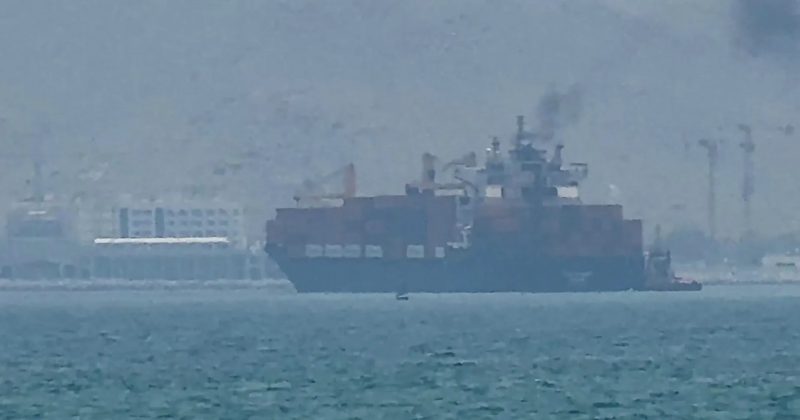
In a significant geopolitical pivot, Donald Trump has retracted his demand for a 20% toll on vessels passing through the Strait of Hormuz. This move is seen as a critical step to de-escalate US-Iran tensions and prevent a major disruption in global maritime trade routes.
The retraction is expected to stabilize oil markets and reduce the immediate threat of energy supply shocks. By fostering potential diplomatic solutions for the Strait of Hormuz passage, this shift could lower market volatility and provide much-needed clarity for global investors.
This is a summarized and adapted version by Artificial Intelligence. To read the complete original story, visit the official source.
Read Full Article at Crypto BriefingSupport Jornal Bitcoin
Independent journalism, curated by AI, no clickbait. Keep the flame alive with any amount of BTC.
jonata@walletofsatoshi.comDaily Crypto Brief 📬
Subscribe to receive the curation of the most important Bitcoin and crypto news, summarized by AI. No spam.
Join more than 10,000 smart readers.
Related News

Polymarket Shock: RFK Jr. Hits 49% Odds for 2028 GOP Nominee Despite Trump Policy Shifts
The lack of volatility in the odds follows reports that Trump backtracked on a controversial 20% toll demand regarding the Strait of Hormuz. This disconnect between geopolitical news and Polymarket pricing suggests that the crypto-prediction market is prioritizing long-term political shifts over immediate foreign policy fluctuations.
Inflation Alert: US Gasoline Prices Surge for First Time Since May Amid Iran Ceasefire Collapse
Rising fuel costs are expected to trigger renewed inflationary pressures, potentially destabilizing broader economic stability. This development places significant pressure on the Federal Reserve, as these inflationary signals will likely influence upcoming monetary policy decisions and interest rate trajectories.
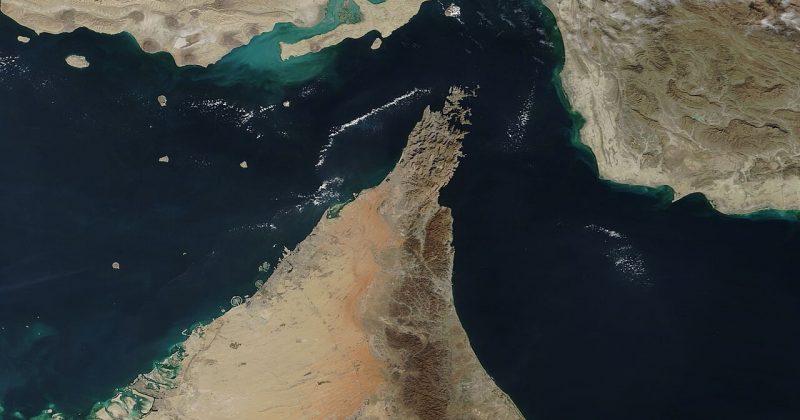
Trump Drops Proposed 20% Hormuz Cargo Fee, Easing Global Oil Tensions
By stabilizing oil markets, this decision reduces the likelihood of extreme volatility affecting high-risk assets. The move highlights the intricate ties between global geopolitics and the crypto market, as macro-stability remains a primary driver for digital asset liquidity and investor sentiment.
Bitcoin Climbs to $64K After Biggest Inflation Slowdown in Six Years—Geopolitics Still Looms
The softer inflation read can shift market expectations for future interest rates, often boosting risk assets like crypto. But persistent geopolitical tensions remain a headwind, meaning Bitcoin’s rally could still face headline-driven volatility even with improving macro signals.
Unprecedented: US Treasury Unveils New $100 Bill Featuring Trump’s Signature for America’s 250th Anniversary
By introducing currency with a living president's signature, the Treasury is inviting a complex debate on tradition versus modern commemorative practices. The move is expected to spark intense scrutiny regarding the intersection of political symbolism and the long-standing traditions of the American financial system.
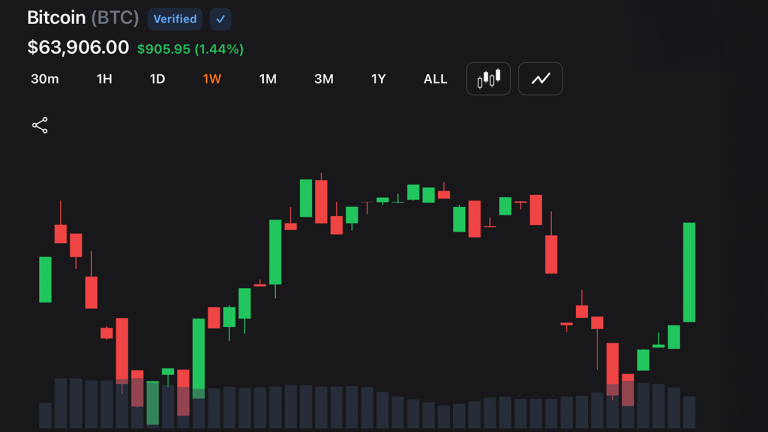
Cool CPI Print Ignites Market Rebound: Bitcoin, Gold, and Stocks Rip Higher
Despite the geopolitical tension stemming from the naval blockade of Iranian ports and strikes near the Strait of Hormuz, the macroeconomic relief is taking center stage. Investors are reacting to the cooling inflation by pivoting back into risk assets and hedges, creating a high-volatility environment where crypto and precious metals are leading the charge.
