Geopolitical Shock: US-Iran Conflict Could Force Fed to Hike Interest Rates

Global markets are bracing for potential volatility as geopolitical tensions rise. Market strategist Ed Yardeni warns that a rupture in the US-Iran ceasefire could trigger a spike in energy prices, driving up inflation and fundamentally shifting market expectations regarding monetary policy.
This potential energy shock poses a direct threat to the current economic trajectory, as it may compel the Federal Reserve to implement unexpected interest rate hikes. For those navigating the crypto markets and macro assets, understanding the link between geopolitical instability and Fed decisions is essential for managing risk in an unpredictable environment.
This is a summarized and adapted version by Artificial Intelligence. To read the complete original story, visit the official source.
Read Full Article at Crypto BriefingSupport Jornal Bitcoin
Independent journalism, curated by AI, no clickbait. Keep the flame alive with any amount of BTC.
jonata@walletofsatoshi.comDaily Crypto Brief 📬
Subscribe to receive the curation of the most important Bitcoin and crypto news, summarized by AI. No spam.
Join more than 10,000 smart readers.
Related News
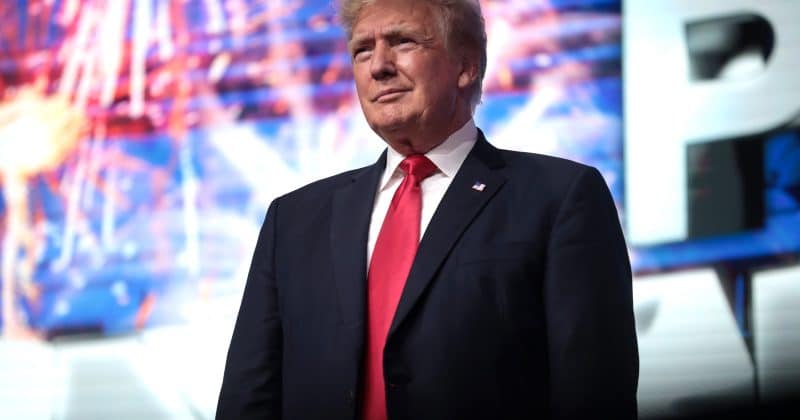
Trump Revives Greenland Acquisition Ambitions at NATO Summit, Shaking Geopolitics
Beyond the political friction, this development carries significant implications for market dynamics and global stability. As the U.S. pushes for greater influence in the Arctic, investors and analysts must monitor how these shifting power structures influence international relations and broader economic volatility.

Hormuz Outlook Shaken: Trump's Kharg Island Remarks Send Polymarket 'Yes' Sinking to 4.5%
Reflecting this shift in sentiment, the Polymarket odds for a major conflict escalation have plummeted to just 4.5%. As investors digest the implications of Trump's remarks on Kharg Island, the focus shifts to how this heightened tension will impact risk assets and the broader macroeconomic landscape.
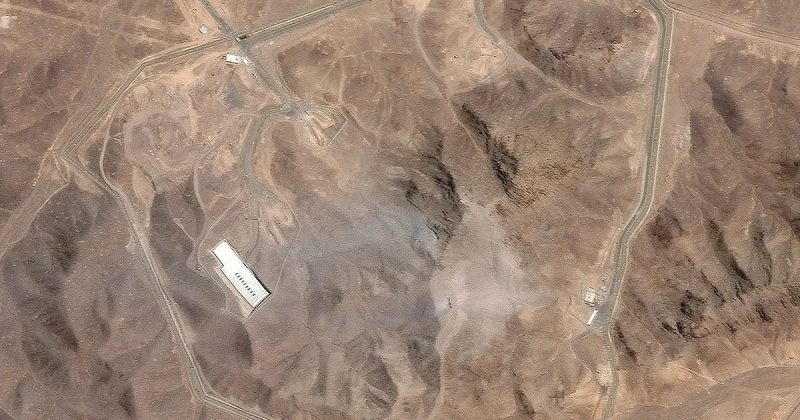
Nuclear Standoff: Iran Unlikely to Yield Amid US Hesitation, Reports Jerusalem Post
Beyond the diplomatic sphere, this standoff carries heavy implications for global economic stability. The prolonged friction is expected to impact global oil markets and increase volatility, as the lack of a breakthrough complicates international efforts to manage nuclear proliferation and regional security.
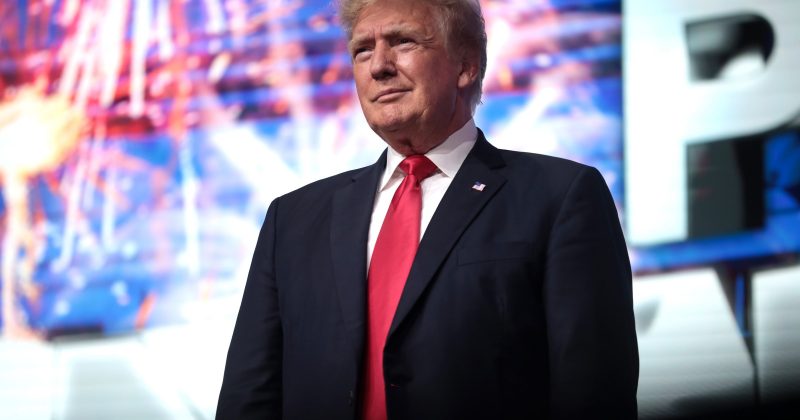
NATO Unity: Allies Reaffirm Collective Defense Amid Trump Withdrawal Threats
The implications of this solidarity are profound, as the alliance seeks to decouple long-term security frameworks from the volatility of U.S. domestic politics. By reinforcing these defense commitments, NATO members are working to ensure that the architecture of international security remains resilient, regardless of shifts in American foreign policy.
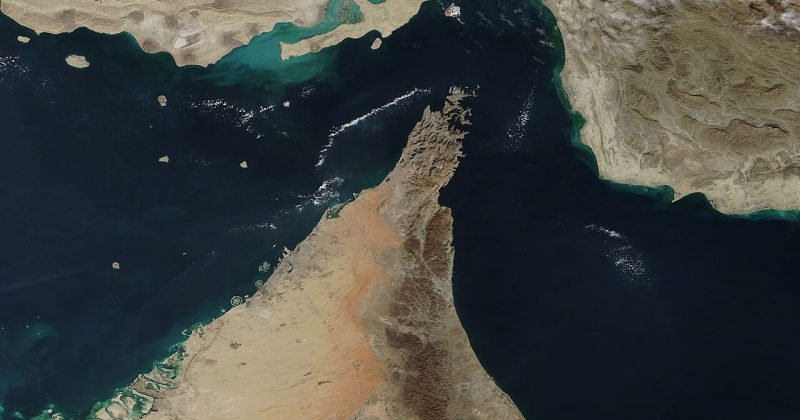
Geopolitical Shockwave: Trump Threatens Iran Blockade, Risking Global Oil Markets
Beyond the immediate energy crisis, such a blockade could escalate geopolitical tensions to unprecedented levels and reshape diplomatic relations worldwide. Investors are closely monitoring these developments, as heightened instability often drives capital toward safe-haven assets and away from traditional market stability.
IMF Warning: Middle East Conflict Risks Global Recession as Oil Nears $100
Beyond immediate energy concerns, this geopolitical tension is expected to complicate economic policies and heighten inflationary pressures worldwide. As the world grapples with these macroeconomic shifts, the intersection of energy costs and global stability remains a primary driver of market uncertainty.
