Nuclear Standoff: Iran Unlikely to Yield Amid US Hesitation, Reports Jerusalem Post
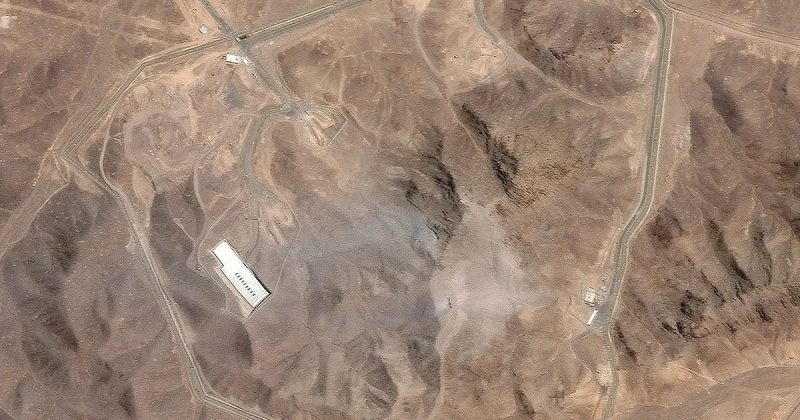
A critical geopolitical deadlock is forming as Iran signals it is unlikely to make significant nuclear concessions. The current hesitation from US leadership has created a diplomatic vacuum, leaving the path to a nuclear resolution increasingly obscured and fraught with tension.
Beyond the diplomatic sphere, this standoff carries heavy implications for global economic stability. The prolonged friction is expected to impact global oil markets and increase volatility, as the lack of a breakthrough complicates international efforts to manage nuclear proliferation and regional security.
According to the Jerusalem Post, Iran is unlikely to make nuclear concessions amidst growing hesitancy from the United States. This firm stance by Tehran suggests that geopolitical tensions may be prolonged, complicating any immediate diplomatic efforts for a nuclear resolution. The potential for extended instability poses a direct threat to global oil markets and could trigger broader economic uncertainty, as the international community struggles to find a consensus in a fractured political landscape.
This is a summarized and adapted version by Artificial Intelligence. To read the complete original story, visit the official source.
Read Full Article at Crypto BriefingSupport Jornal Bitcoin
Independent journalism, curated by AI, no clickbait. Keep the flame alive with any amount of BTC.
jonata@walletofsatoshi.comDaily Crypto Brief 📬
Subscribe to receive the curation of the most important Bitcoin and crypto news, summarized by AI. No spam.
Join more than 10,000 smart readers.
Related News

Bitcoin Slides: Iran Ceasefire Collapse and Hormuz Blockade Threats Send Oil Soaring
Threats of a blockade in the Strait of Hormuz have pushed oil prices toward $75 per barrel, creating a high-risk environment for digital assets. As geopolitical tensions escalate, Bitcoin remains under pressure below $62,000, reflecting a flight to safety or liquidity shifts in response to the Middle East crisis.
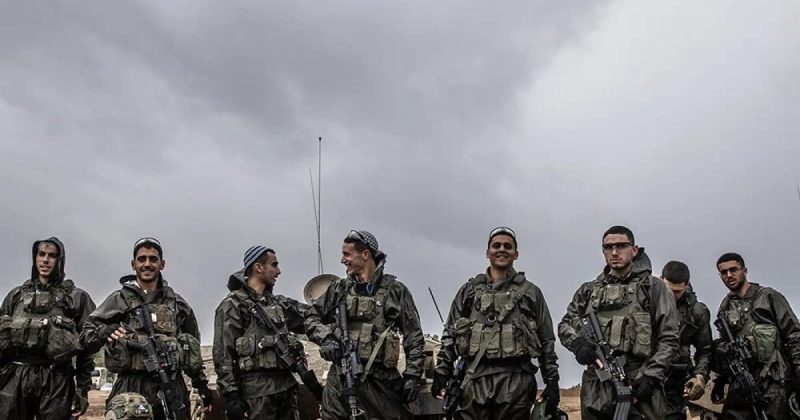
High Alert: Israel Prepares for War with Iran, Sending Shockwaves Through Markets
This surge in geopolitical tensions is expected to destabilize global markets significantly. As potential military actions loom, the impact on commodity prices and investor sentiment could be profound, forcing a rapid reassessment of risk across both traditional and digital asset classes.

Race Against Time: Senator Lummis Demands Urgent Passage of CLARITY Act
Failure to act swiftly could significantly hinder U.S. digital asset regulation, undermining market confidence and stalling future legislative efforts. The passage of the CLARITY Act is considered vital to preventing long-term regulatory uncertainty in the United States.
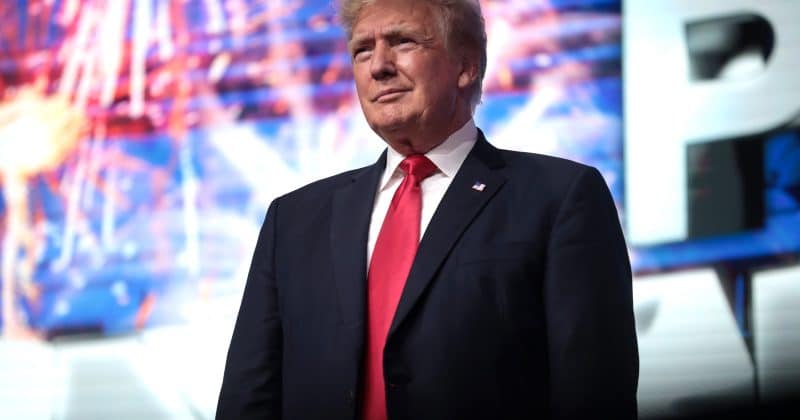
Trump Revives Greenland Acquisition Ambitions at NATO Summit, Shaking Geopolitics
Beyond the political friction, this development carries significant implications for market dynamics and global stability. As the U.S. pushes for greater influence in the Arctic, investors and analysts must monitor how these shifting power structures influence international relations and broader economic volatility.

Hormuz Outlook Shaken: Trump's Kharg Island Remarks Send Polymarket 'Yes' Sinking to 4.5%
Reflecting this shift in sentiment, the Polymarket odds for a major conflict escalation have plummeted to just 4.5%. As investors digest the implications of Trump's remarks on Kharg Island, the focus shifts to how this heightened tension will impact risk assets and the broader macroeconomic landscape.
Deadline Alert: Crypto Advocates Launch Massive Push to Save CLARITY Act
Led by the Stand With Crypto organization, this mobilization aims to influence lawmakers before the critical August 7 cutoff. The outcome of this legislative battle will be a pivotal moment for digital asset policy, potentially shaping the legal framework for the entire crypto industry in the United States.
