IMF Warning: Middle East Conflict Risks Global Recession as Oil Nears $100
The International Monetary Fund (IMF) has issued a stark warning regarding the escalating Middle East conflict and its potential to destabilize the global economy. The risk of a looming global recession is intensifying as oil prices approach the critical $100 mark, creating a volatile environment for international markets.
Beyond immediate energy concerns, this geopolitical tension is expected to complicate economic policies and heighten inflationary pressures worldwide. As the world grapples with these macroeconomic shifts, the intersection of energy costs and global stability remains a primary driver of market uncertainty.
The International Monetary Fund (IMF) warns that the ongoing Middle East conflict risks triggering a widespread global recession. The escalation of regional tensions is complicating economic policies and heightening inflationary pressures on a worldwide scale. With oil prices nearing the $100 threshold, the potential for increased energy costs poses a significant threat to global economic stability and growth.
This is a summarized and adapted version by Artificial Intelligence. To read the complete original story, visit the official source.
Read Full Article at Crypto BriefingSupport Jornal Bitcoin
Independent journalism, curated by AI, no clickbait. Keep the flame alive with any amount of BTC.
jonata@walletofsatoshi.comDaily Crypto Brief 📬
Subscribe to receive the curation of the most important Bitcoin and crypto news, summarized by AI. No spam.
Join more than 10,000 smart readers.
Related News

Bitcoin Calm Before the Storm? July 17 Oil Deadline Triggers Iran Shock
With the replacement General License X1 strictly limiting transactions to a wind-down period ending July 17, the window for Iranian petroleum and petrochemical trades is slamming shut. This tightening of sanctions creates a high-stakes environment that could force a shift in investor sentiment, potentially linking energy market instability to Bitcoin price action.
Middle East Conflict Ignites Oil Prices, Deepening Bitcoin's Inflation Dilemma
As energy costs climb, the risk of persistent inflation increases, potentially forcing central banks to maintain hawkish stances for longer. Investors are now weighing whether Bitcoin will fulfill its promise as a hedge against systemic instability or if the rising cost of energy will dampen the broader crypto market rally.
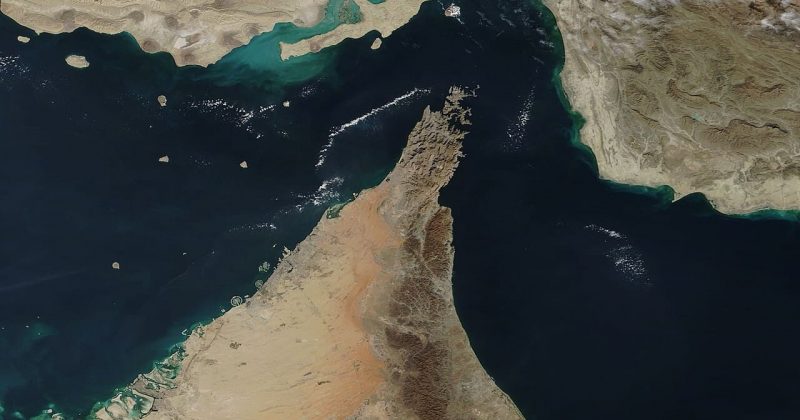
Geopolitical Shockwave: Iran's Grip on Strait of Hormuz Sends Oil Prices Surging
As disruptions loom, the market is bracing for sustained elevated oil prices driven by supply insecurity. The long-term consequences of this standoff could reshape energy economics, forcing global players to navigate a landscape defined by heightened geopolitical risk and unpredictable commodity fluctuations.
Mortgage Rate Surge: High Interest Forecasts to Persist Until 2027
This sustained high-interest environment poses significant challenges for housing affordability and broader economic stability. As the mortgage market adjusts to these long-term forecasts, the impact on consumer spending and the construction sector is expected to be profound, signaling a cautious era for real estate investors.

Bitcoin Under Pressure: U.S.-Iran Escalation Spikes Oil Prices, Rattling Crypto Markets
This sudden shift in global risk appetite is forcing investors to pivot toward traditional hedges, leaving the crypto market vulnerable to macro volatility. As the conflict intensifies, the direct impact of rising oil costs and geopolitical instability remains a primary driver for the current downward pressure on Bitcoin and market liquidity.
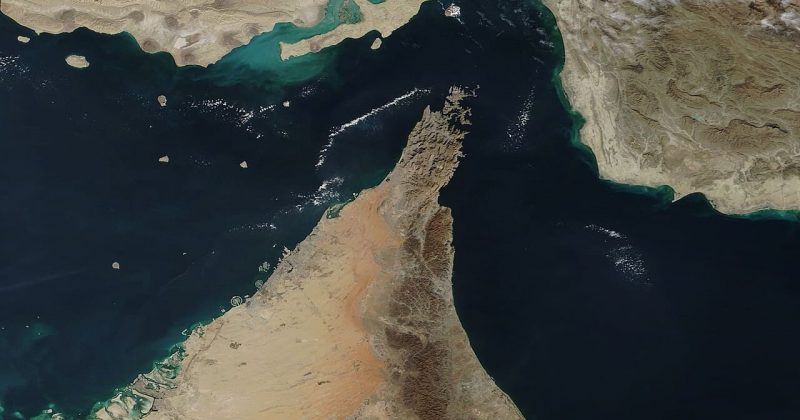
Oil Prices Surge as Iran Tensions and Strait of Hormuz Disruptions Loom
Beyond immediate market fluctuations, rising oil prices due to geopolitical tensions may strain global economies and trigger a new wave of inflation. Energy-dependent industries face significant operational risks as the threat of supply chain disruptions intensifies, forcing a reassessment of global economic stability.
