Geopolitical Chaos: Iran Closes Strait of Hormuz, Sending Oil Prices Soaring and US Stock Futures Tumbling
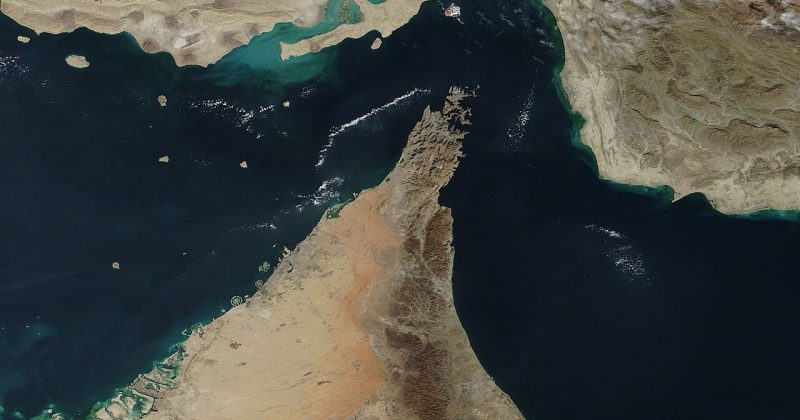
Global markets are facing a massive shock as Iran moves to close the Strait of Hormuz, triggering an immediate surge in oil prices. This strategic blockade has sent US stock futures into a downward spiral, as investors brace for a significant disruption in global energy supplies and heightened geopolitical tensions.
Beyond the immediate spike in energy costs, the closure threatens to destabilize international trade routes and exacerbate global inflation. As the world watches for strategic responses from major powers, the resulting market volatility is expected to drive significant shifts in risk appetite across both traditional finance and the broader crypto ecosystem.
This is a summarized and adapted version by Artificial Intelligence. To read the complete original story, visit the official source.
Read Full Article at Crypto BriefingSupport Jornal Bitcoin
Independent journalism, curated by AI, no clickbait. Keep the flame alive with any amount of BTC.
jonata@walletofsatoshi.comDaily Crypto Brief 📬
Subscribe to receive the curation of the most important Bitcoin and crypto news, summarized by AI. No spam.
Join more than 10,000 smart readers.
Related News
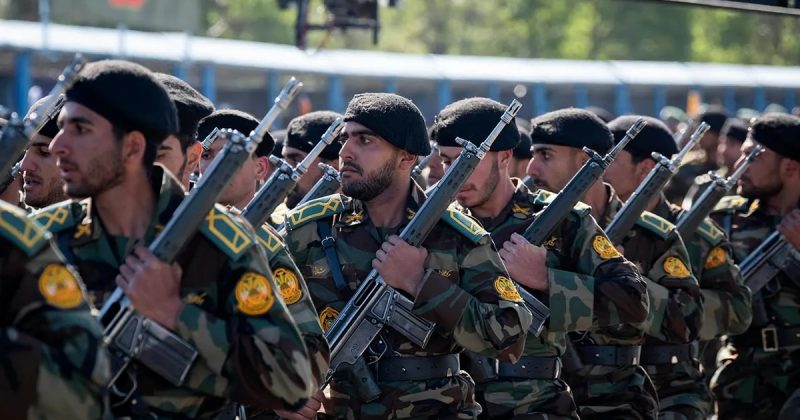
US Escalates Strikes on Iran Following Ceasefire Collapse: Global Stability at Risk
Beyond the immediate combat, the US is grappling with mounting logistical challenges that could strain military resources. As tensions fluctuate, the resulting geopolitical instability remains a critical factor for global liquidity and risk assessment in the digital asset space.

Geopolitical Shift: Polymarket Odds for Iran-Gulf Conflict Drop Following Hormuz Threat
This volatility is compounded by the ongoing Israeli military operations in Gaza and Lebanon, which continue to report significant civilian casualties. As geopolitical tensions fluctuate, investors and traders are closely watching how these regional conflicts impact broader market sentiment and risk appetite.
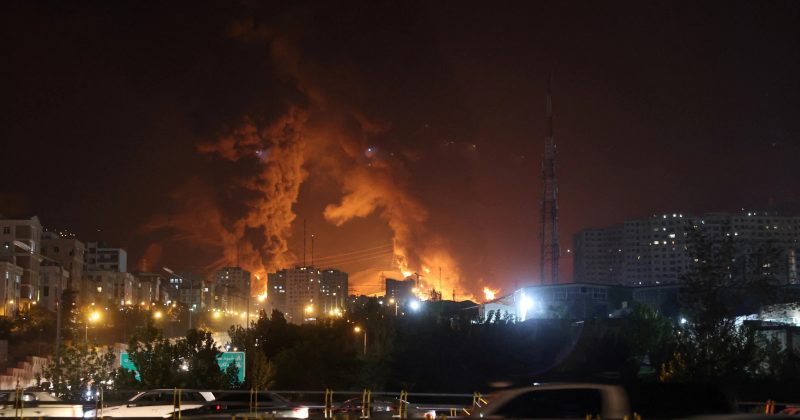
Geopolitical Shift: US Losing Grip on Iran Conflict, Analysts Warn
As American leverage weakens, the path to a diplomatic resolution becomes increasingly narrow and complex. The potential for escalated tensions poses a significant threat to global stability, creating a high-risk environment for both traditional geopolitical actors and global financial markets.

Gold Slumps as US-Iran Tensions Spike Oil Prices and Fed Rate Hike Looms
Compounding the pressure, the looming expectation of a Fed rate hike is tightening market conditions and threatening to fuel inflation. As oil prices climb and gold loses momentum, the intersection of energy shocks and central bank policy is set to redefine global investment strategies.

Explosions in Southwest Iran: Military Escalation Threatens Regional Stability
The escalation in the Middle East carries significant implications for market dynamics and asset volatility. As military activity intensifies, the resulting uncertainty often leads to rapid shifts in investor sentiment, potentially impacting liquidity and driving volatility across both traditional and crypto markets.
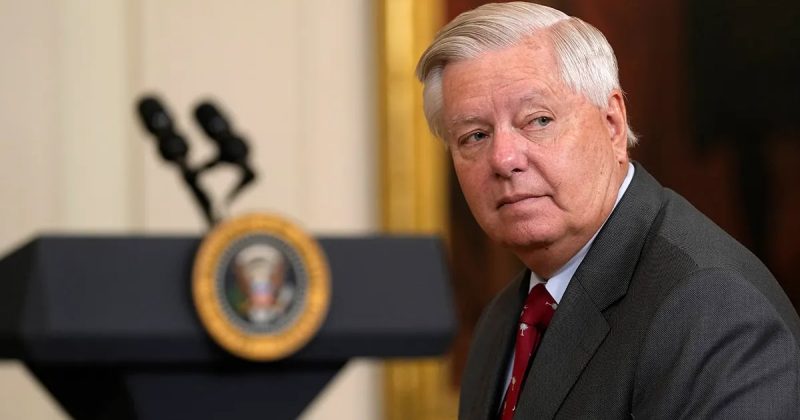
AI Warfare: Iran Releases Deepfake Video Depicting Death of US Senator Lindsey Graham
The deployment of such synthetic media undermines critical diplomatic efforts and heightens the risk of real-world retaliation. As AI-driven disinformation becomes a central tool in international power struggles, the ability to differentiate between authentic footage and manipulated content remains a primary challenge for global security and political stability.
