US Escalates Strikes on Iran Following Ceasefire Collapse: Global Stability at Risk
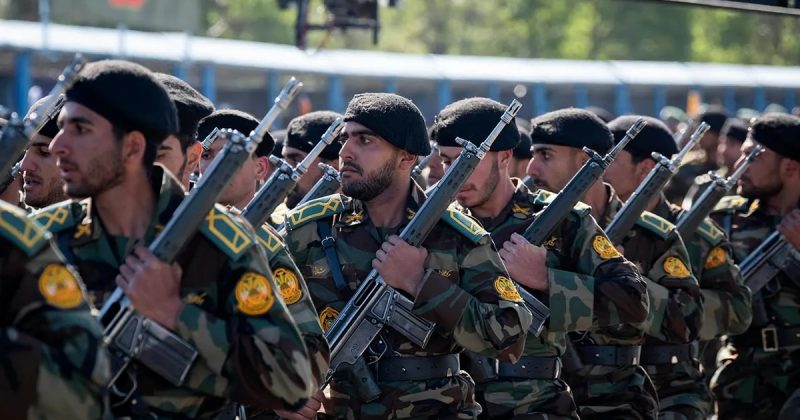
The geopolitical landscape has shifted dramatically as the US intensifies military strikes on Iran following a failed ceasefire. This rapid escalation threatens to disrupt global stability and introduces significant volatility into international markets.
Beyond the immediate combat, the US is grappling with mounting logistical challenges that could strain military resources. As tensions fluctuate, the resulting geopolitical instability remains a critical factor for global liquidity and risk assessment in the digital asset space.
This is a summarized and adapted version by Artificial Intelligence. To read the complete original story, visit the official source.
Read Full Article at Crypto BriefingSupport Jornal Bitcoin
Independent journalism, curated by AI, no clickbait. Keep the flame alive with any amount of BTC.
jonata@walletofsatoshi.comDaily Crypto Brief 📬
Subscribe to receive the curation of the most important Bitcoin and crypto news, summarized by AI. No spam.
Join more than 10,000 smart readers.
Related News
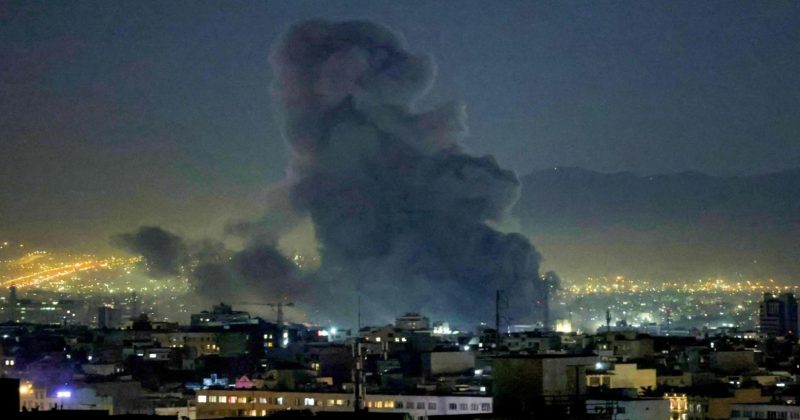
Geopolitical Flashpoint: US Strikes Iran Following Attack on Kuwait Base, Shaking Global Markets
Beyond the military implications, the fallout is expected to hit global oil markets hard, driving massive volatility in energy prices and broader geopolitical stability. As the situation evolves, the potential for widespread economic disruption remains a primary concern for global markets and risk management strategies.

Bahrain Explosions Escalate US-Iran Tensions, Threatening Gulf Stability
The consequences of these explosions extend far beyond local borders, complicating vital peace negotiations between Washington and Tehran. This escalation of instability in the Gulf region may trigger unpredictable volatility for risk assets, demanding close monitoring from investors tracking the intersection of geopolitics and the crypto market.
Market Alert: 2-Year Treasury Yield Hits 16-Month High as Oil Prices Surge
This surge in yields directly impacts borrowing costs and global economic growth projections. As geopolitical tensions continue to drive energy volatility, investors must navigate a complex landscape where traditional market shifts and central bank policies heavily influence liquidity and risk appetite across all asset classes.
Middle East Escalation: US Strikes in Iran Trigger Global Economic and Trade Fears
Beyond the immediate casualties, the escalating conflict threatens to cause massive disruptions in global aviation and international trade routes. Such volatility is expected to ripple through economic markets, creating significant uncertainty for investors and global supply chains.

Zelenskyy replaces Ukraine PM as war against Russia escalates — political uncertainty spikes
With the conflict heating up on the ground, the timing of the move may complicate diplomatic breakthroughs and worsen uncertainty across Ukraine’s political and conflict landscape. For crypto markets, this kind of geopolitical stress and institutional instability tends to amplify risk sentiment and move capital toward (or away from) perceived safety.

Geopolitical Flashpoint: Trump Demands Strait of Hormuz Stay Open Amid Rising US-Iran Tensions
This geopolitical friction poses a direct threat to global oil supply chains and overall market stability. Should tensions boil over, the resulting volatility could reshape energy economics and trigger significant shifts in global financial security and commodity pricing.
