AI Warfare: Iran Releases Deepfake Video Depicting Death of US Senator Lindsey Graham
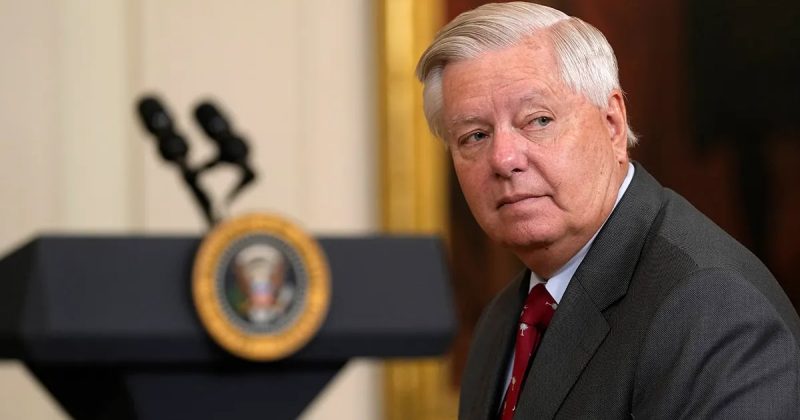
In a chilling escalation of digital warfare, Iran has released an AI-generated video depicting the death of U.S. Senator Lindsey Graham. This move represents a sophisticated use of artificial intelligence to fuel geopolitical conflict and target high-profile political figures, marking a dangerous shift in how propaganda is deployed on the global stage.
The deployment of such synthetic media undermines critical diplomatic efforts and heightens the risk of real-world retaliation. As AI-driven disinformation becomes a central tool in international power struggles, the ability to differentiate between authentic footage and manipulated content remains a primary challenge for global security and political stability.
Iran has escalated tensions with the United States by releasing an AI-generated video depicting the death of U.S. Senator Lindsey Graham. This use of advanced technology for political propaganda signals an intensification of the ongoing geopolitical conflict. Analysts suggest that the video is designed to undermine diplomatic efforts and destabilize public perception through the strategic use of AI-driven disinformation and synthetic media.
This is a summarized and adapted version by Artificial Intelligence. To read the complete original story, visit the official source.
Read Full Article at Crypto BriefingSupport Jornal Bitcoin
Independent journalism, curated by AI, no clickbait. Keep the flame alive with any amount of BTC.
jonata@walletofsatoshi.comDaily Crypto Brief 📬
Subscribe to receive the curation of the most important Bitcoin and crypto news, summarized by AI. No spam.
Join more than 10,000 smart readers.
Related News
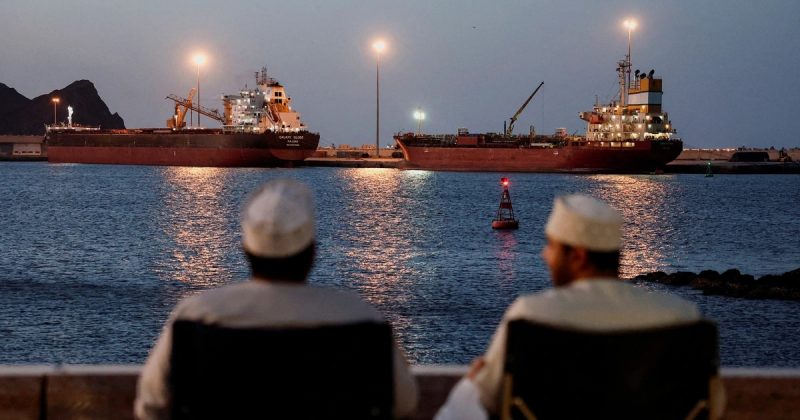
Geopolitical Flashpoint: Trump Demands Strait of Hormuz Stay Open Amid Rising US-Iran Tensions
This geopolitical friction poses a direct threat to global oil supply chains and overall market stability. Should tensions boil over, the resulting volatility could reshape energy economics and trigger significant shifts in global financial security and commodity pricing.
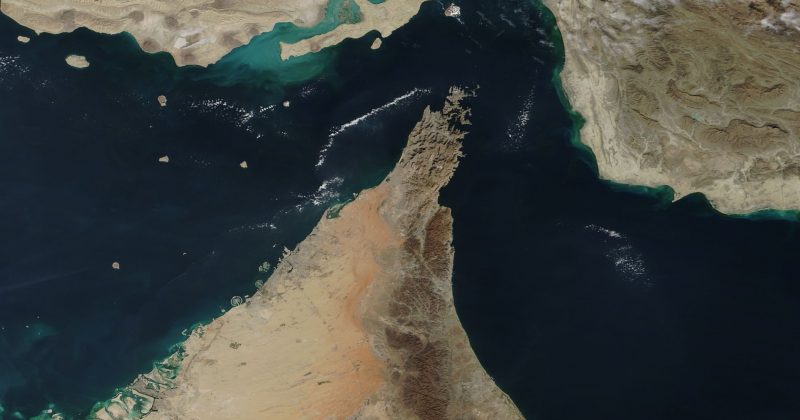
Middle East Crisis: Dollar Surges as Hormuz Strait Closure Shakes Global Markets
The strategic shutdown of this vital waterway heightens global energy market uncertainty, threatening to destabilize both geopolitical and economic landscapes. This disruption poses a significant risk to global supply chains and could trigger a massive wave of volatility across traditional and digital asset classes.
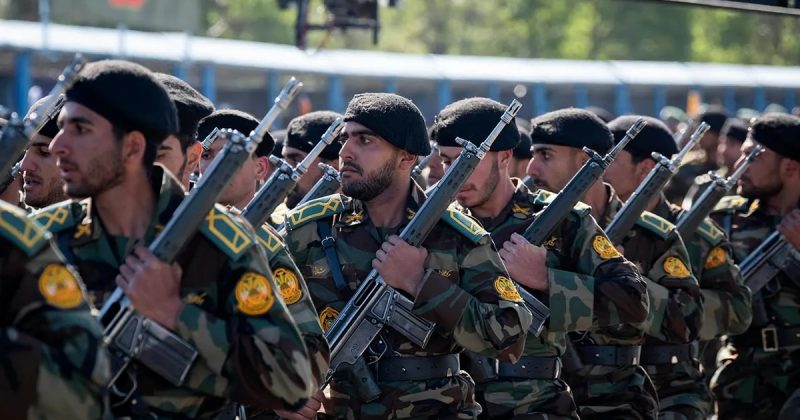
US Escalates Strikes on Iran Following Ceasefire Collapse: Global Stability at Risk
Beyond the immediate combat, the US is grappling with mounting logistical challenges that could strain military resources. As tensions fluctuate, the resulting geopolitical instability remains a critical factor for global liquidity and risk assessment in the digital asset space.

Grenade Explosion in Or Yehuda: Israeli Police Investigate Amid Rising Regional Tensions
Beyond the immediate investigation, the incident highlights a dangerous trajectory for Middle East stability. Experts suggest that such escalations could increase the likelihood of broader Israeli military actions by 2026, creating significant geopolitical ripples that could influence global risk assessments.

Geopolitical Shift: Polymarket Odds for Iran-Gulf Conflict Drop Following Hormuz Threat
This volatility is compounded by the ongoing Israeli military operations in Gaza and Lebanon, which continue to report significant civilian casualties. As geopolitical tensions fluctuate, investors and traders are closely watching how these regional conflicts impact broader market sentiment and risk appetite.
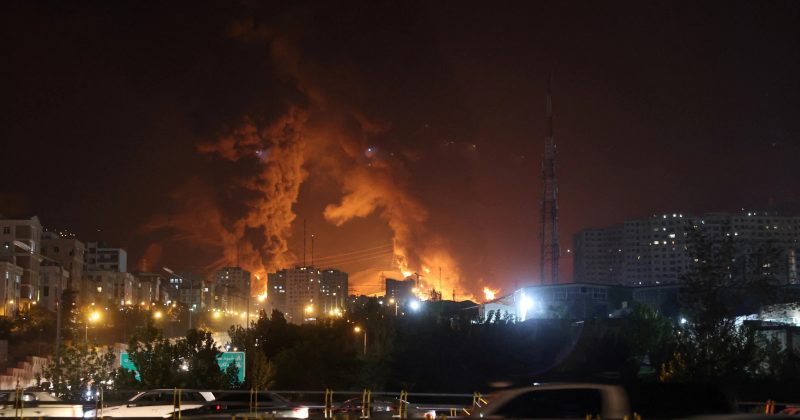
Geopolitical Shift: US Losing Grip on Iran Conflict, Analysts Warn
As American leverage weakens, the path to a diplomatic resolution becomes increasingly narrow and complex. The potential for escalated tensions poses a significant threat to global stability, creating a high-risk environment for both traditional geopolitical actors and global financial markets.
