De-dollarization Alert: France Reportedly Moves $15B in Gold Out of US Vaults

Unverified reports suggest that France has withdrawn $15 billion in gold from US-based vaults, a move that has ignited intense debate regarding de-dollarization. This massive shift in physical assets highlights growing concerns over the long-term dominance of the US dollar and the stability of the current global monetary order.
For Bitcoin and crypto investors, this geopolitical tension underscores the growing demand for decentralized assets. As traditional nations re-evaluate their gold reserves and currency dependencies, the role of crypto as a hedge against systemic financial shifts becomes increasingly prominent in the global market.
France has reportedly withdrawn $15 billion in gold from US vaults, sparking a renewed debate over the global de-dollarization trend. While these reports remain unverified, the scale of the transaction suggests a strategic pivot in how major economies manage their sovereign reserves amidst shifting currency dynamics.
This movement carries significant implications for the digital asset space. As trust in centralized fiat systems faces scrutiny, Bitcoin and the broader crypto market are increasingly viewed as vital alternatives for wealth preservation and protection against traditional financial instability.
This is a summarized and adapted version by Artificial Intelligence. To read the complete original story, visit the official source.
Read Full Article at Crypto BriefingSupport Jornal Bitcoin
Independent journalism, curated by AI, no clickbait. Keep the flame alive with any amount of BTC.
jonata@walletofsatoshi.comDaily Crypto Brief 📬
Subscribe to receive the curation of the most important Bitcoin and crypto news, summarized by AI. No spam.
Join more than 10,000 smart readers.
Related News

Institutional Floodgates? Chainlink Executive Claims CLARITY Act Is the Key to Crypto Adoption
By establishing clear rules of engagement, the act aims to eliminate the ambiguity that currently keeps major financial players on the sidelines. This shift could fundamentally reshape the landscape for on-chain data and institutional crypto integration worldwide.
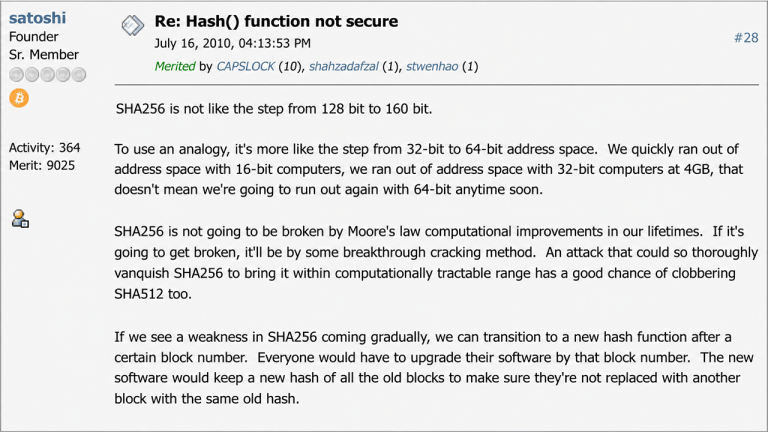
Satoshi’s Prophecy: How a 16-Year-Old Hash Defense Shields Bitcoin from Quantum Threats
This historical context proves that the Bitcoin protocol was engineered with foresight, prioritizing long-term resilience against evolving computational power. As the industry grapples with the potential impact of quantum computing, Satoshi's original defense mechanisms provide a blueprint for how the network maintains its security and decentralization.

Storms Scupper Spain's World Cup Training, but Crypto's Massive Sporting Moment Persists
While the weather disrupts the pitch, Kraken's historic FIFA crypto sponsorship ensures that the intersection of blockchain and football remains the primary focus. This massive sporting moment underscores the unstoppable integration of digital assets into mainstream global events, regardless of external volatility.
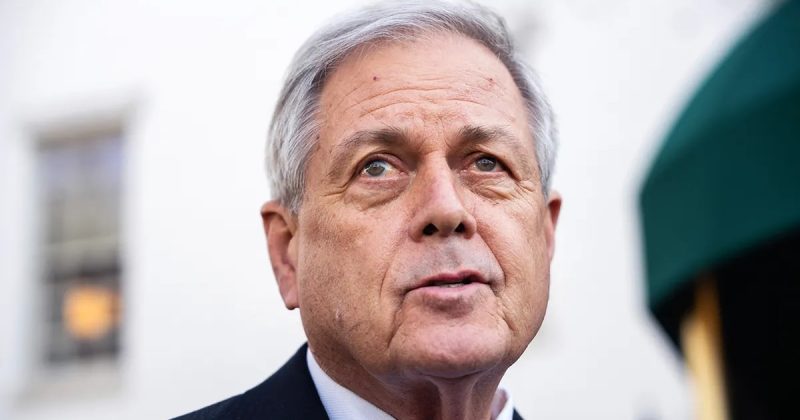
Ralph Norman Joins South Carolina Senate Race: A Key Move for Crypto Policy?
With a 24% approval rating among Republican supporters, Norman's campaign could significantly influence upcoming debates regarding crypto regulation and financial sovereignty. His presence in the Senate race adds a new layer of complexity to the political landscape governing the blockchain industry.

Bitcoin Under Siege: Middle East Oil Crisis Threatens Crypto Stability
This volatility highlights the growing intersection between global energy security and digital assets. As the market processes the potential for a major supply shock, the impact on Bitcoin liquidity and investor sentiment remains the primary focus for traders watching the unfolding crisis in the Middle East.

Bitcoin's Next Governance War: How 'DOG Mode' is Challenging Network Control
This shift represents more than just a technical update; it is a battle for the soul of the network. By questioning the existing relay infrastructure, DOG Mode highlights the growing tension between free market ideals and the centralized control of network protocols, potentially reshaping how Bitcoin is governed in the future.
