Bitcoin's Next Governance War: How 'DOG Mode' is Challenging Network Control

A new philosophical rift is opening within the Bitcoin network as Leonidas introduces the DOG Mode client. This development directly challenges Bitcoin's default relay policies, forcing a confrontation over censorship resistance and the core principles of decentralized governance.
This shift represents more than just a technical update; it is a battle for the soul of the network. By questioning the existing relay infrastructure, DOG Mode highlights the growing tension between free market ideals and the centralized control of network protocols, potentially reshaping how Bitcoin is governed in the future.
Leonidas' DOG Mode client is setting the stage for Bitcoin's next major governance fight. By challenging the network's default relay policies, the client reopens a critical debate regarding censorship, free markets, and the fundamental question of who truly governs the Bitcoin network. The move signals a growing pushback against the current infrastructure's influence on protocol neutrality.
This is a summarized and adapted version by Artificial Intelligence. To read the complete original story, visit the official source.
Read Full Article at CoinDeskSupport Jornal Bitcoin
Independent journalism, curated by AI, no clickbait. Keep the flame alive with any amount of BTC.
jonata@walletofsatoshi.comDaily Crypto Brief 📬
Subscribe to receive the curation of the most important Bitcoin and crypto news, summarized by AI. No spam.
Join more than 10,000 smart readers.
Related News

Beyond Bitcoin: 5 Cryptocurrencies Poised for +100% Gains in 2026
For strategic investors, capturing this alpha requires looking beyond the market leader. As Bitcoin solidifies its status as digital gold, these emerging sectors are expected to drive the next massive liquidity injection, offering high-reward opportunities through technological disruption and real-world asset integration.
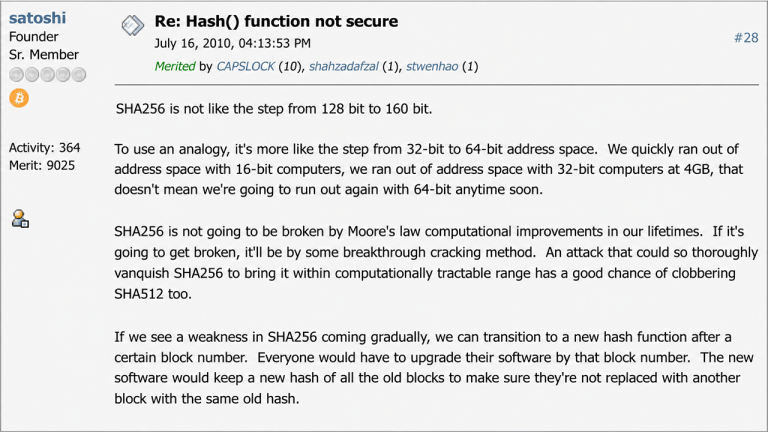
Satoshi’s Prophecy: How a 16-Year-Old Hash Defense Shields Bitcoin from Quantum Threats
This historical context proves that the Bitcoin protocol was engineered with foresight, prioritizing long-term resilience against evolving computational power. As the industry grapples with the potential impact of quantum computing, Satoshi's original defense mechanisms provide a blueprint for how the network maintains its security and decentralization.

Bitcoin Under Siege: Middle East Oil Crisis Threatens Crypto Stability
This volatility highlights the growing intersection between global energy security and digital assets. As the market processes the potential for a major supply shock, the impact on Bitcoin liquidity and investor sentiment remains the primary focus for traders watching the unfolding crisis in the Middle East.

Larry Fink Turns Bullish as CFTC Intervenes with Kalshi: Crypto Weekly Review
Macroeconomic volatility took center stage as geopolitical tensions involving Iran and Trump's remarks sent shockwaves through both oil and Bitcoin markets. From Michael Saylor's massive $3 billion cash buffer strategy to Tim Draper's reflections on Coinbase, the week provided a masterclass in navigating market stress and institutional adoption.
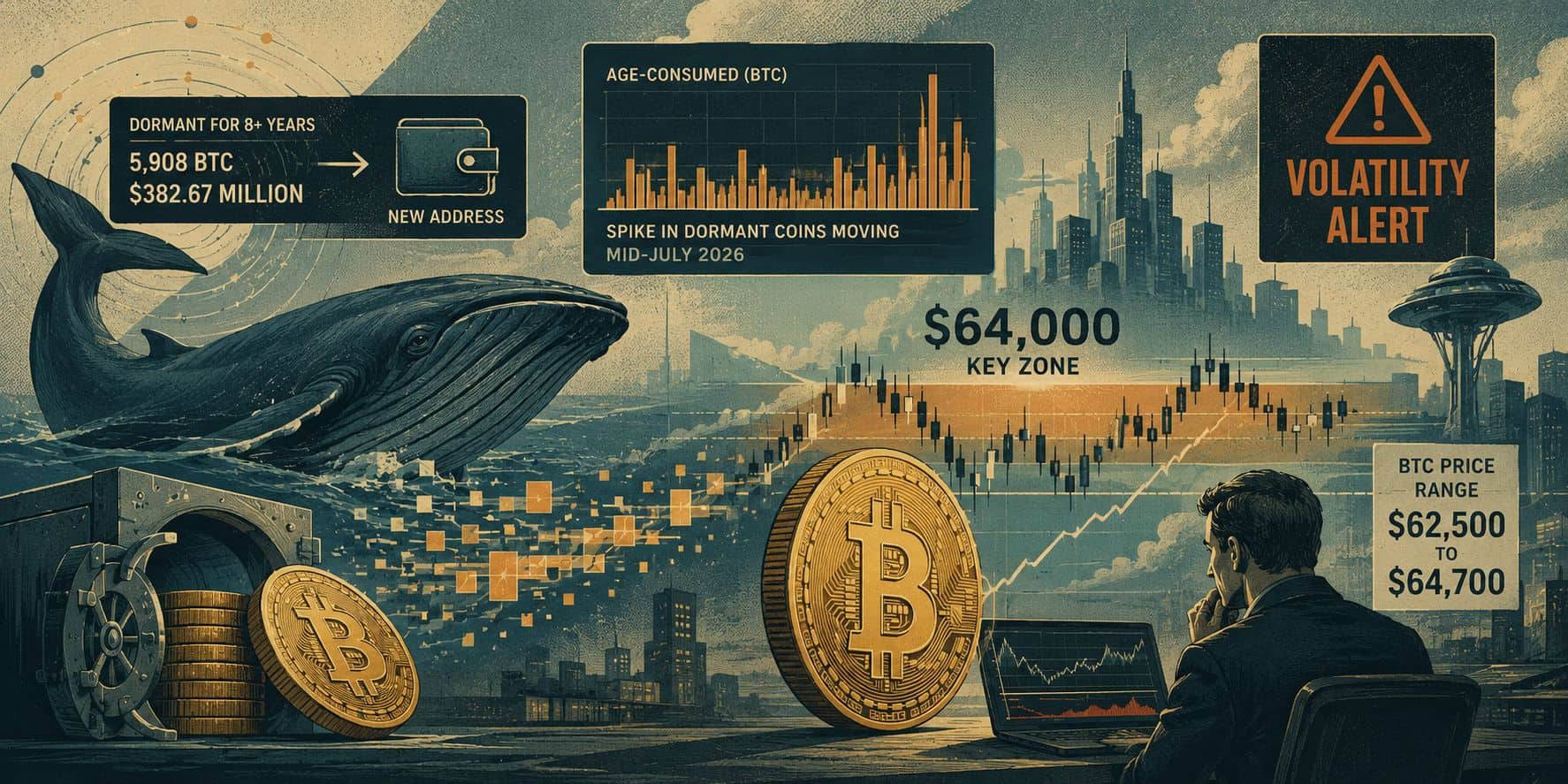
Volatility Alert: Dormant Whale Activity Sparks Chaos as Bitcoin Hovers Near $64K
As Bitcoin hovers near this psychological level, the influx of movement from massive holders could trigger a significant volatility alert. Whether this activity leads to a massive sell-off or provides the liquidity needed for a breakout remains the central question for market participants monitoring the current BTC price action.

De-dollarization Alert: France Reportedly Moves $15B in Gold Out of US Vaults
For Bitcoin and crypto investors, this geopolitical tension underscores the growing demand for decentralized assets. As traditional nations re-evaluate their gold reserves and currency dependencies, the role of crypto as a hedge against systemic financial shifts becomes increasingly prominent in the global market.
