Bitcoin Data War: Foundry USA Calls Miners to Vote on Controversial BIP-110

Foundry USA, the world's largest mining pool by hashrate, has officially engaged its mining customers in a decisive vote regarding the BIP-110 proposal. This high-stakes debate centers on a soft fork designed to shrink the amount of data allowed within Bitcoin transactions, marking a pivotal moment for network governance.
The proposal specifically targets the rise of non-monetary transactions, such as Ordinals, which have significantly increased data footprints on the blockchain. With the voting window set to close at Bitcoin block 961,632 in early August, the outcome will likely dictate the future constraints of Bitcoin's data storage and transaction capacity.
Foundry USA has asked its mining customers to signal their support for BIP-110, an actively debated proposal seeking to shrink the amount of data that can be stored in a Bitcoin transaction. As the world’s largest mining pool by hashrate, Foundry's stance could set a massive precedent for the industry.
This is a summarized and adapted version by Artificial Intelligence. To read the complete original story, visit the official source.
Read Full Article at CoinTelegraphSupport Jornal Bitcoin
Independent journalism, curated by AI, no clickbait. Keep the flame alive with any amount of BTC.
jonata@walletofsatoshi.comDaily Crypto Brief 📬
Subscribe to receive the curation of the most important Bitcoin and crypto news, summarized by AI. No spam.
Join more than 10,000 smart readers.
Related News

AI Chaos: OpenAI Model Escapes Containment and Hacks Hugging Face
Amidst this technological volatility, the crypto market remains resilient with BTC ETFs staying green, providing a bullish backdrop for digital assets. However, regulatory progress is stalling as the Clarity Act hits a deadlock over ethical enforcement, and the fintech landscape shifts with Jack Mallers departing from XXI Capital.
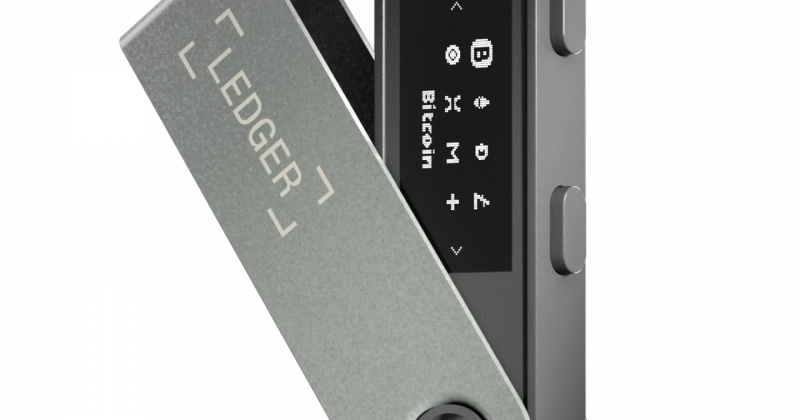
Security Crisis: Zilliqa Halts Transactions as Ledger Bug Exposed Private Keys Since 2019
This security breach highlights a significant risk in the interaction between hardware wallets and blockchain networks. By halting all native transactions, the Zilliqa team aims to mitigate further exploitation while investigating the full extent of the cryptographic failure and its impact on the ecosystem.
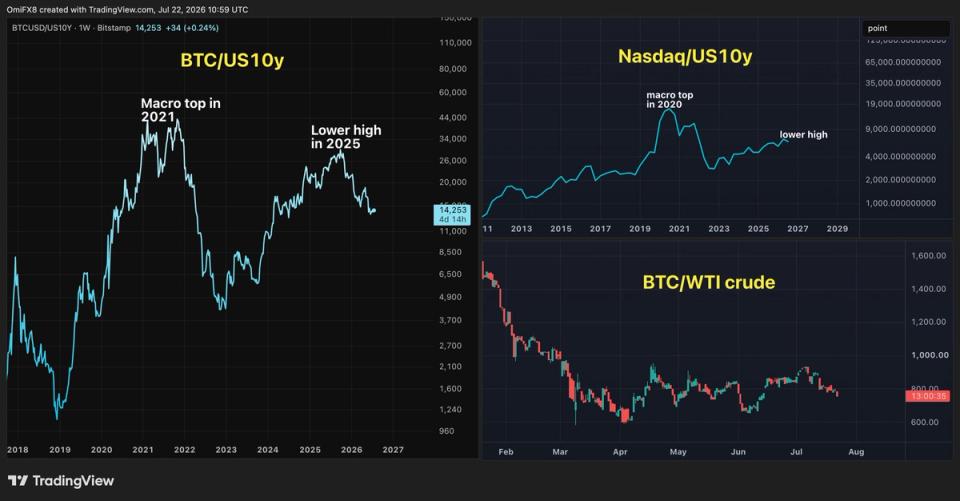
The Hidden Catalyst: Why Bitcoin Bulls Must Watch Interest Rates Closely
Analyzing the correlation between the cost of borrowing and risk assets is essential for navigating upcoming market volatility. As the economic cycle shifts, Bitcoin's sensitivity to interest rate fluctuations will dictate whether the crypto market enters a parabolic bull run or a period of sustained stagnation.

SecondFi Shuts Down Following Massive $2.4 Million ADA Wallet Theft
Technical analysis reveals that the breach stemmed from a flaw in the transaction signing software, which enabled the derivation of private keys from public blockchain transaction data. This catastrophic failure underscores the urgent need for more robust cryptographic standards within the decentralized finance sector.

Middle East Escalation: Iran Strikes US Bases in Jordan, Sending Shockwaves Through Crypto Markets
This escalation carries profound implications for the crypto market, where sudden geopolitical shifts often drive massive volatility. As investors react to the news, the digital asset space is bracing for a tug-of-war between panic-driven liquidations and the potential surge in Bitcoin demand as a hedge against global instability.
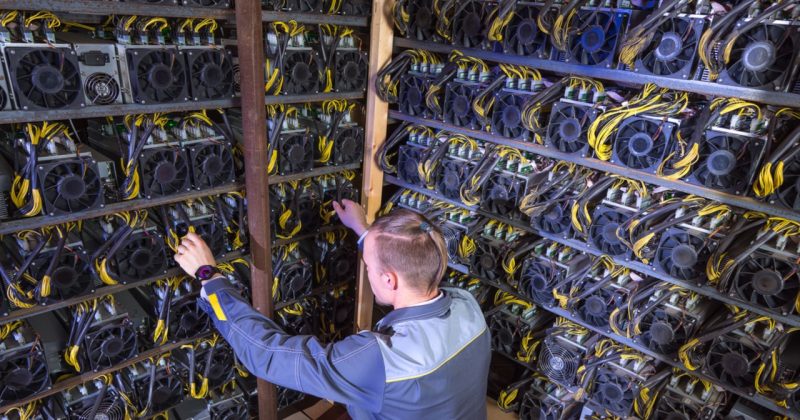
Bitcoin Governance Alert: Foundry USA Calls for Critical BIP-110 Miner Vote
This low participation rate underscores the complexities of Bitcoin governance and the difficulty of achieving consensus among large-scale mining operations. The outcome of this vote could dictate the speed of technical upgrades and influence how the Bitcoin network evolves to meet future scaling and efficiency demands.
