DeFi's Decentralization Myth? FATF Warns Centralized Elements Demand Strict Regulation

The Financial Action Task Force (FATF) has issued a stark warning regarding the persistence of centralized elements within DeFi protocols, challenging the industry's core narrative of total decentralization. The watchdog emphasizes that these hidden points of control necessitate robust regulatory frameworks to prevent illicit activities and ensure global financial stability.
As most nations have yet to implement standardized rules, the FATF is signaling a crackdown on non-compliant entities. The organization warned that platforms failing to meet anti-money laundering standards could face outright bans, creating a high-stakes environment for decentralized finance developers and service providers worldwide.
The Financial Action Task Force (FATF) has warned that centralized elements 'frequently persist' within the Decentralized Finance (DeFi) ecosystem. The watchdog argues that the presence of these centralized components undermines the very purpose of DeFi, making strict regulation essential to mitigate risks associated with financial crimes.
According to the FATF, nearly every country has yet to fully apply the necessary regulatory rules. The organization issued a blunt warning: platforms that fail to comply with international standards risk facing outright bans, marking a significant escalation in the global effort to bring the crypto sector under regulatory oversight.
This is a summarized and adapted version by Artificial Intelligence. To read the complete original story, visit the official source.
Read Full Article at DecryptSupport Jornal Bitcoin
Independent journalism, curated by AI, no clickbait. Keep the flame alive with any amount of BTC.
jonata@walletofsatoshi.comDaily Crypto Brief 📬
Subscribe to receive the curation of the most important Bitcoin and crypto news, summarized by AI. No spam.
Join more than 10,000 smart readers.
Related News

Kazakhstan's Bold Move: Cheap Electricity Now Tied to Crypto Reserve Contributions
While this strategy could significantly bolster Bitcoin's status as a global reserve asset, the long-term outlook remains clouded by local political risks. The success of these new digital mining rules will depend on whether the government can maintain stability while navigating the complex intersection of energy policy and crypto-asset accumulation.

S&P and Pantera Capital Team Up to Launch Crypto Index Driven by Protocol Fundamentals
By prioritizing fundamental analysis over speculative hype, this partnership marks a significant milestone in the convergence of traditional finance and decentralized technology. The index is expected to set a new benchmark for how crypto-assets are evaluated, offering much-needed clarity and stability for large-scale capital entry into the blockchain space.
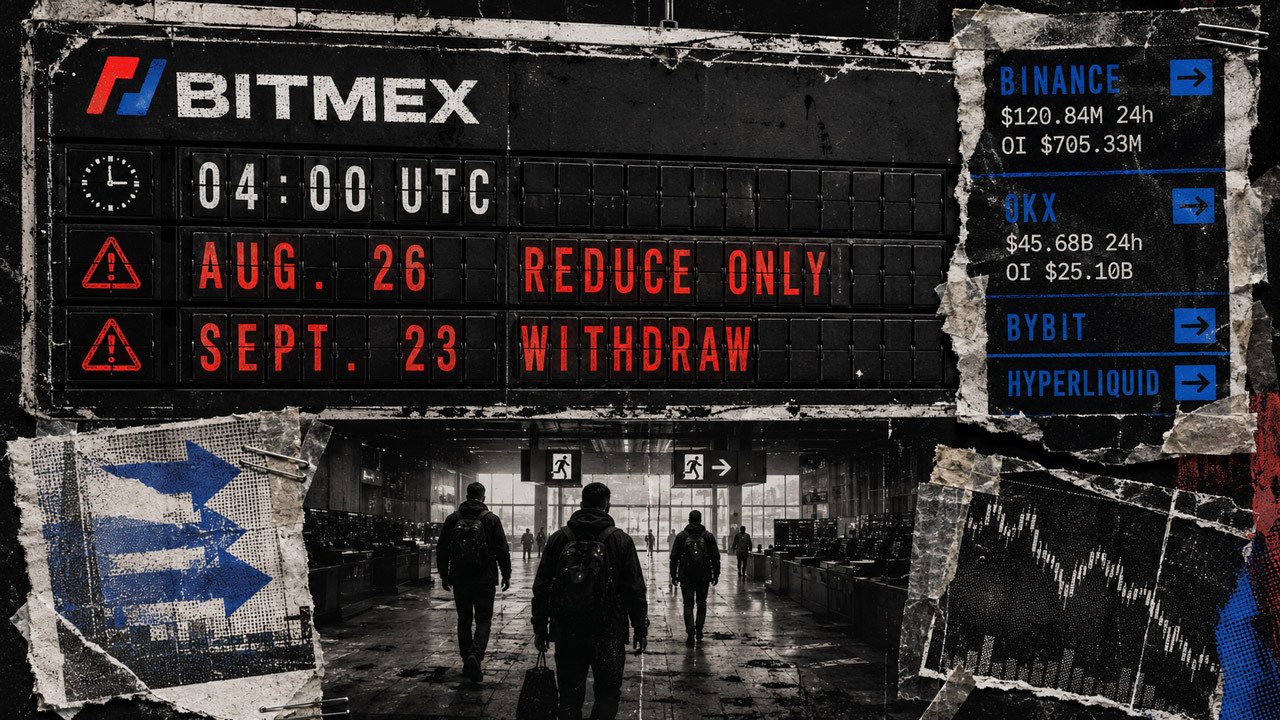
BitMEX Shutdown Alert: Crucial Deadlines for Withdrawals and Active Positions
The wind-down process begins with the implementation of reduce-only trading on August 26. With the exchange's full service termination set for September 23, traders must act swiftly to avoid forced liquidations of their open positions before the platform goes dark.

Goldman Sachs CEO Backs 'Imperfect' CLARITY Act Amid Crypto Regulation Battle
This endorsement comes at a critical time as lawmakers prepare to vote, with many banking peers still opposing the bill due to controversial stablecoin provisions. The tension centers on whether crypto firms should be allowed to offer yields on stablecoins outside the strict regulatory frameworks governing traditional financial institutions.

Whale Alert: 2 Bullish and 1 Bearish Signals Shaping Cardano's (ADA) Next Move
This divergence between whale exposure and technical indicators suggests that Cardano is entering a high-volatility phase. Investors must weigh the bullish momentum driven by large-scale buying against the immediate bearish pressure to navigate the upcoming price action effectively.

BlackRock Claims Crypto Can Outrun the Quantum Threat — If It Moves Fast Enough
However, the window for action is defined by the speed of technological evolution. To mitigate the risks posed by quantum supremacy, the crypto industry must proactively integrate quantum-resistant algorithms, ensuring that the transition to new cryptographic standards happens well before quantum hardware reaches its full potential.
