Lebanese Army Clears Unexploded Ordnance: Is a Permanent Peace Deal on the Horizon?
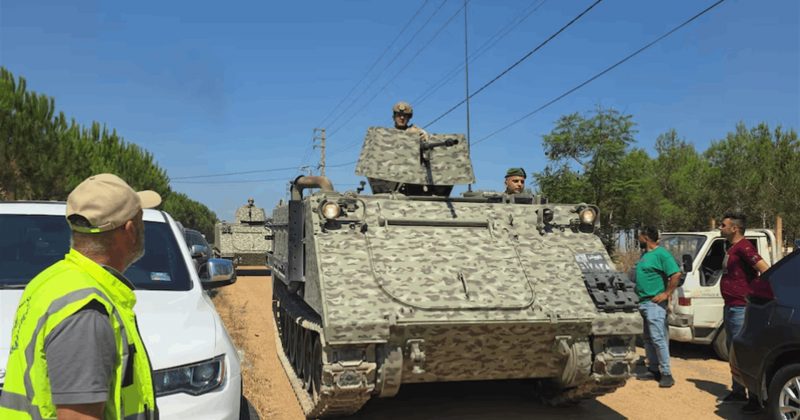
The Lebanese army has launched critical operations to clear unexploded ordnance in Zawtar al-Gharbiyeh following the Israeli withdrawal. This essential demining effort is crucial for securing the territory and protecting civilians in the wake of recent military movements.
Despite the immediate focus on safety, long-term geopolitical outlooks remain complex. Current projections suggest a slim 0.8% probability of a permanent peace deal being finalized by July 31, 2026, highlighting the ongoing volatility and the delicate balance of power in the region.
The Lebanese army is actively clearing unexploded ordnance in Zawtar al-Gharbiyeh following the exit of Israeli forces. The operation is a necessary step to ensure public safety and stabilize the immediate area.
In the broader context of regional stability, the path to peace remains uncertain. While the clearing of explosives provides local relief, statistical models place the likelihood of a permanent peace deal by July 31, 2026, at just 0.8%, underscoring the persistent geopolitical tensions.
This is a summarized and adapted version by Artificial Intelligence. To read the complete original story, visit the official source.
Read Full Article at Crypto BriefingSupport Jornal Bitcoin
Independent journalism, curated by AI, no clickbait. Keep the flame alive with any amount of BTC.
jonata@walletofsatoshi.comDaily Crypto Brief 📬
Subscribe to receive the curation of the most important Bitcoin and crypto news, summarized by AI. No spam.
Join more than 10,000 smart readers.
Related News

Conflict Alert: Iran Activates Air Defenses in Tehran Amid Escalating Regional Tensions
Forecasts suggest a looming risk of full airspace closures, with probabilities of 30.5% by July 31 and increasing to 44% by August 31. As these tensions unfold, the potential for sudden shifts in market sentiment and the flight to safety remains a primary concern for institutional and retail investors alike.
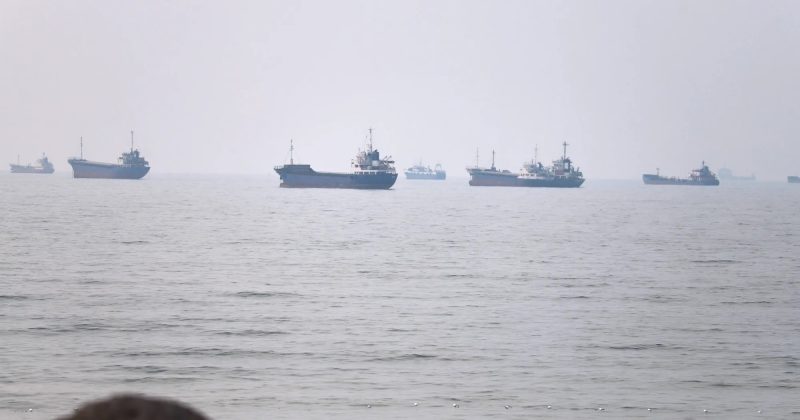
Geopolitical Flashpoint: Iran Escalates Attacks on US Navy in Strait of Hormuz
As the situation unfolds, speculative models are already pricing in extreme outcomes, including a 27.5% probability of a US invasion of Iran before 2027. For the crypto market, such heightened systemic risk often serves as a catalyst for increased interest in decentralized assets as hedges against traditional financial instability.

Dimon's Warning: Why the JPMorgan CEO is Avoiding Stocks Right Now
By stating he would avoid both stocks and long-term bonds at current valuations, Dimon is signaling a potential market correction. This stance suggests that current asset pricing fails to account for systemic risks, providing a sobering counter-narrative to the prevailing bullish sentiment in global markets.

Brent Crude Surges Past $100: Middle East Conflict Ignites Oil Supply Fears
Market analysts are closely monitoring the situation, with some forecasting a potential new all-time high by December 31. As geopolitical tensions persist, the threat of supply shortages could trigger broader economic consequences, forcing a reevaluation of global energy security and commodity pricing strategies.

China's Massive Gold Buying Spree: A Strategic Shield Against Russia's Financial Fate
This relentless accumulation has fueled intense market speculation, with some analysts projecting gold prices could skyrocket to $10,000 by December. As central banks pivot toward precious metals, the global financial landscape is bracing for a significant shift in value and stability.
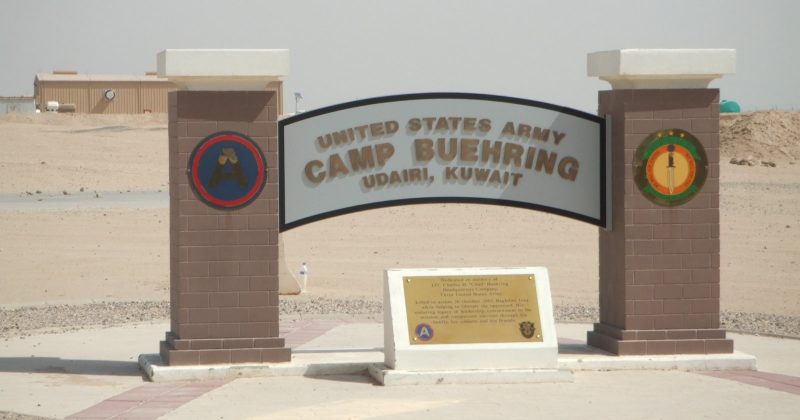
Middle East Escalation: Iran Targets Radar Systems in Kuwait
The strike on Kuwait's defense infrastructure carries significant implications for the balance of power in the Persian Gulf. As the military campaign continues, the global community remains on high alert regarding potential disruptions to energy security and heightened market volatility driven by these geopolitical shifts.
