Geopolitical Flashpoint: Iran Escalates Attacks on US Navy in Strait of Hormuz
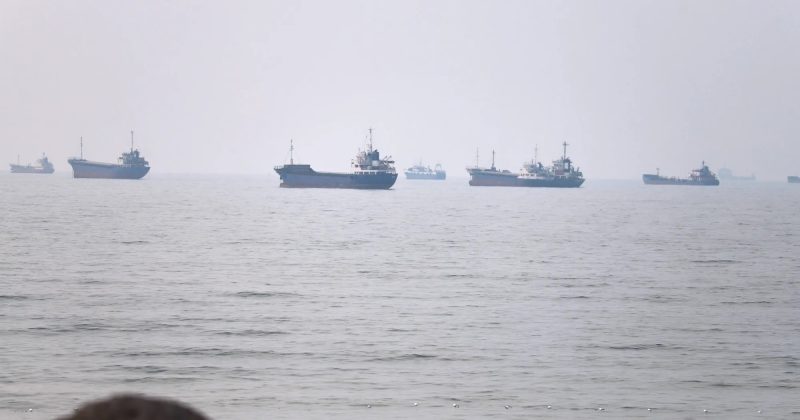
Global stability is under immediate threat as Iran escalates attacks on US Navy vessels within the critical Strait of Hormuz. This direct military confrontation heightens geopolitical volatility and threatens to disrupt essential global trade routes, creating a high-alert environment for international security.
As the situation unfolds, speculative models are already pricing in extreme outcomes, including a 27.5% probability of a US invasion of Iran before 2027. For the crypto market, such heightened systemic risk often serves as a catalyst for increased interest in decentralized assets as hedges against traditional financial instability.
Officials report that Iran has escalated its attacks against US Navy vessels in the Strait of Hormuz, a vital maritime chokepoint. The intensification of these military actions raises the specter of a broader regional conflict. Amidst the rising tension, market sentiment analysis indicates a 27.5% chance of a US invasion of Iran occurring before 2027.
This is a summarized and adapted version by Artificial Intelligence. To read the complete original story, visit the official source.
Read Full Article at Crypto BriefingSupport Jornal Bitcoin
Independent journalism, curated by AI, no clickbait. Keep the flame alive with any amount of BTC.
jonata@walletofsatoshi.comDaily Crypto Brief 📬
Subscribe to receive the curation of the most important Bitcoin and crypto news, summarized by AI. No spam.
Join more than 10,000 smart readers.
Related News

Hormuz Crisis: Polymarket Odds for Normal Traffic Plummet Amid Iran Strike Reports
With blasts reported near Tabriz and active air defenses surrounding Tehran, the situation is rapidly escalating. For those tracking macro trends, these Polymarket odds serve as a critical real-time indicator of how geopolitical instability in the Middle East could trigger broader market volatility and impact global trade stability.
Goldman Sachs Warning: Brent Crude Could Skyrocket to $120 Amid Hormuz Disruptions
With a 45.1% probability of WTI hitting $90 in July, the market is bracing for significant shifts. Persistent tensions in critical maritime corridors could drive massive inflationary pressure and force a rapid reassessment of risk across both commodity and traditional financial markets.

Oil Chaos: US-Iran Conflict Drives Brent to $92, Threatening Global Inflation
As tanker traffic continues to plummet and WTI surges past $84, the macroeconomic implications are profound. The primary concern for markets is that rising energy costs could fuel persistent inflation, potentially forcing the Federal Reserve to delay much-anticipated interest rate cuts.

Conflict Alert: Iran Activates Air Defenses in Tehran Amid Escalating Regional Tensions
Forecasts suggest a looming risk of full airspace closures, with probabilities of 30.5% by July 31 and increasing to 44% by August 31. As these tensions unfold, the potential for sudden shifts in market sentiment and the flight to safety remains a primary concern for institutional and retail investors alike.
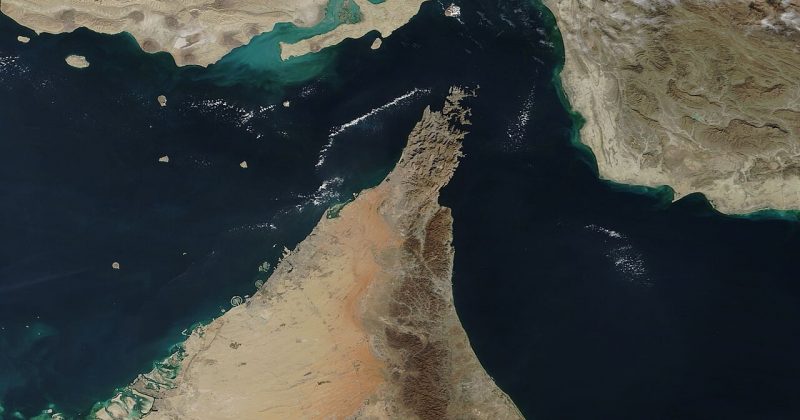
Geopolitical Shockwave: US Weighs 20% Toll on Strait of Hormuz Amid Iran Tensions
The proposed toll, which could see implementation by July 2026, poses a significant risk to supply chains and commodity pricing. As the standoff between the US and Iran intensifies, investors are closely watching for signs of increased volatility in energy markets and traditional financial assets, which often spills over into the crypto market.
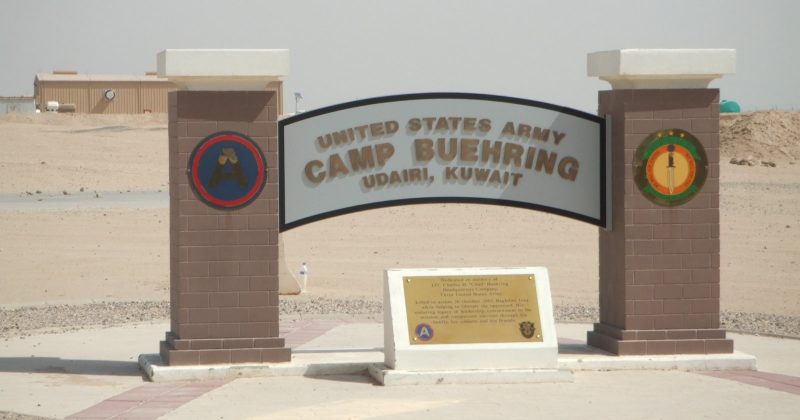
Middle East Escalation: Iran Targets Radar Systems in Kuwait
The strike on Kuwait's defense infrastructure carries significant implications for the balance of power in the Persian Gulf. As the military campaign continues, the global community remains on high alert regarding potential disruptions to energy security and heightened market volatility driven by these geopolitical shifts.
