Middle East Escalation: Iran Targets Radar Systems in Kuwait
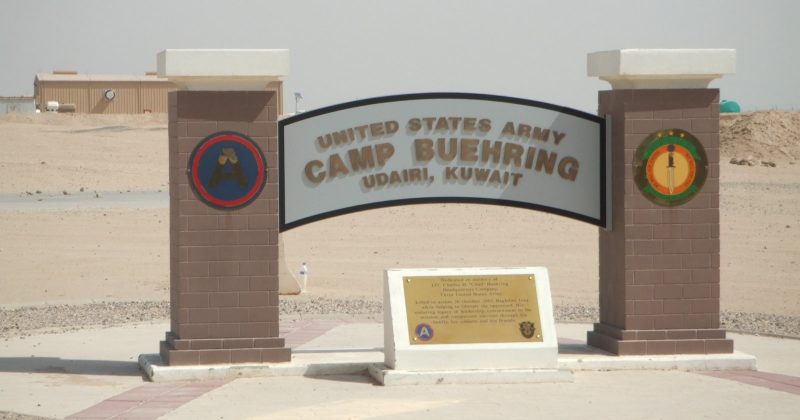
Geopolitical tensions have surged following reports that Iran has targeted critical radar systems within Kuwait. This targeted military action is part of an ongoing campaign that threatens regional stability and increases the likelihood of a broader conflict in the Middle East.
The strike on Kuwait's defense infrastructure carries significant implications for the balance of power in the Persian Gulf. As the military campaign continues, the global community remains on high alert regarding potential disruptions to energy security and heightened market volatility driven by these geopolitical shifts.
Iran has escalated its ongoing military campaign by targeting radar systems located in Kuwait. This strategic move against a Gulf state marks a significant intensification of regional hostilities, raising fears of a wider confrontation. As military actions persist, the focus shifts to the potential for retaliatory strikes and the long-term impact on regional defense networks and global stability.
This is a summarized and adapted version by Artificial Intelligence. To read the complete original story, visit the official source.
Read Full Article at Crypto BriefingSupport Jornal Bitcoin
Independent journalism, curated by AI, no clickbait. Keep the flame alive with any amount of BTC.
jonata@walletofsatoshi.comDaily Crypto Brief 📬
Subscribe to receive the curation of the most important Bitcoin and crypto news, summarized by AI. No spam.
Join more than 10,000 smart readers.
Related News

Brent Crude Surges Past $100: Middle East Conflict Ignites Oil Supply Fears
Market analysts are closely monitoring the situation, with some forecasting a potential new all-time high by December 31. As geopolitical tensions persist, the threat of supply shortages could trigger broader economic consequences, forcing a reevaluation of global energy security and commodity pricing strategies.
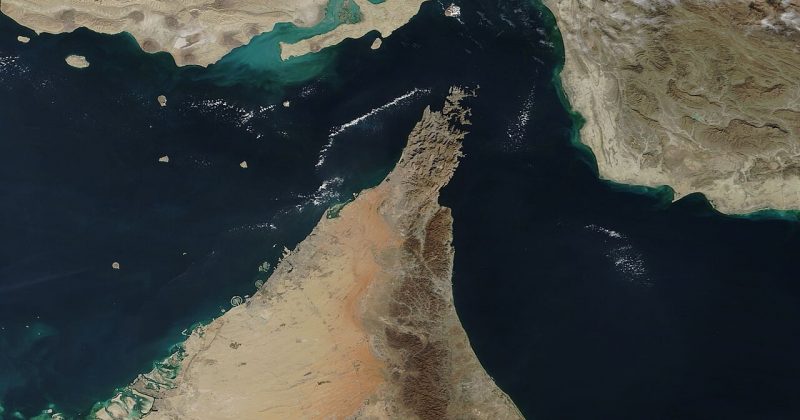
Geopolitical Shockwave: US Weighs 20% Toll on Strait of Hormuz Amid Iran Tensions
The proposed toll, which could see implementation by July 2026, poses a significant risk to supply chains and commodity pricing. As the standoff between the US and Iran intensifies, investors are closely watching for signs of increased volatility in energy markets and traditional financial assets, which often spills over into the crypto market.

China's Massive Gold Buying Spree: A Strategic Shield Against Russia's Financial Fate
This relentless accumulation has fueled intense market speculation, with some analysts projecting gold prices could skyrocket to $10,000 by December. As central banks pivot toward precious metals, the global financial landscape is bracing for a significant shift in value and stability.

Nobel Laureate Claims Pix Success is a Major Headache for Bitcoin Advocates
The economist's insights come amidst a complex geopolitical backdrop, touching upon how international political shifts could influence technological adoption. As the battle for monetary supremacy continues, the effectiveness of Pix serves as a powerful counter-narrative to Bitcoin's dominance in the realm of fast, low-cost digital payments.
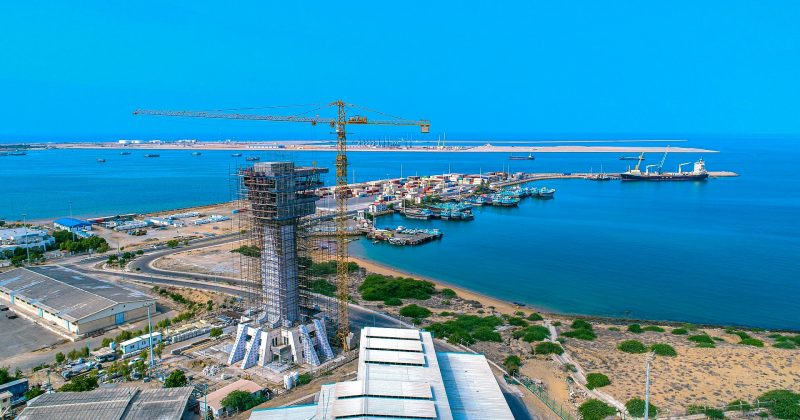
Geopolitical Flashpoint: US Airstrikes Hit Iranian Ports Amid Escalating Regional Attacks
With reports indicating a potential full airspace closure by July 31, the threat of a wider regional conflict is intensifying. Investors are advised to closely monitor how these geopolitical tensions impact global liquidity and the flight to safety as the situation evolves rapidly.
Geopolitical Escalation: Trump Weighs Expanded Iran Strikes Amid Israel Retaliation Warnings
Contextualizing the long-term outlook, discussions regarding a potential US-Iran deal in 2026 suggest that Iran reconstruction funding could become a pivotal diplomatic lever. As these geopolitical tensions mount, the impact on global liquidity and risk appetite remains a critical factor for institutional investors and crypto enthusiasts alike.
