Institutional Surge: Bitcoin ETFs Hit 6-Day Inflow Streak with $203M Added

Institutional demand for Bitcoin is accelerating as US spot Bitcoin ETFs recorded their sixth consecutive day of net inflows, injecting an additional $203.1 million on Tuesday. This impressive streak has brought total inflows to approximately $930 million over the last six sessions—the longest run of consecutive inflows since April—providing significant support as Bitcoin maintains its position above the $65,000 threshold.
This sustained capital influx highlights a growing momentum in the crypto market, even as year-to-date net totals remain under pressure. As Bitcoin trades near the $66,000 mark, the consistent performance of these Bitcoin ETFs serves as a critical indicator of long-term institutional adoption and market liquidity.
The inflows coincided with Bitcoin trading above $65,000, briefly climbing to $66,700 on Tuesday. At the time of publication, Bitcoin was trading at $65,802, up approximately 2% over the previous 24 hours, according to CoinGecko.
This is a summarized and adapted version by Artificial Intelligence. To read the complete original story, visit the official source.
Read Full Article at CoinTelegraphSupport Jornal Bitcoin
Independent journalism, curated by AI, no clickbait. Keep the flame alive with any amount of BTC.
jonata@walletofsatoshi.comDaily Crypto Brief 📬
Subscribe to receive the curation of the most important Bitcoin and crypto news, summarized by AI. No spam.
Join more than 10,000 smart readers.
Related News

Middle East Escalation: Iran Strikes US Bases in Jordan, Sending Shockwaves Through Crypto Markets
This escalation carries profound implications for the crypto market, where sudden geopolitical shifts often drive massive volatility. As investors react to the news, the digital asset space is bracing for a tug-of-war between panic-driven liquidations and the potential surge in Bitcoin demand as a hedge against global instability.

Bitcoin Governance Alert: Foundry USA Calls for Critical BIP-110 Miner Vote
This low participation rate underscores the complexities of Bitcoin governance and the difficulty of achieving consensus among large-scale mining operations. The outcome of this vote could dictate the speed of technical upgrades and influence how the Bitcoin network evolves to meet future scaling and efficiency demands.

Crypto Exodus in South Korea: Retail Investors Pivot from Digital Assets to Stocks
As the KOSPI benchmark index more than doubled, trading volumes on won-based platforms like Upbit and Bithumb saw a substantial contraction. This trend suggests that the retail appetite for risk is currently being captured by the surging stock market rather than the volatile cryptocurrency sector.
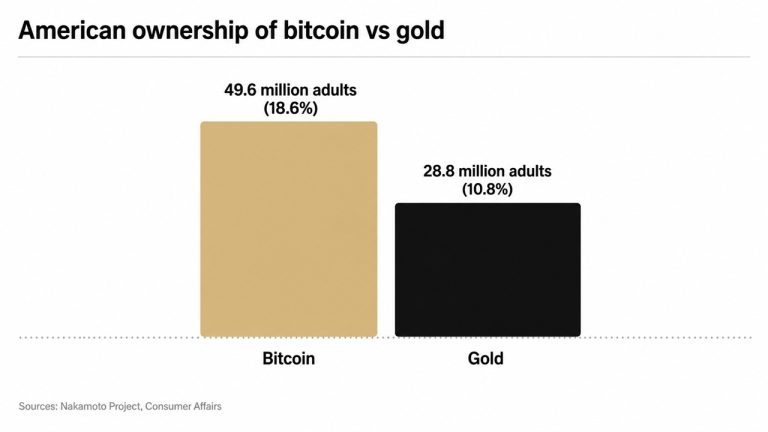
The Gold Standard is Dead? Bitcoin Ownership Surpasses Gold in the US
This milestone marks a decisive moment in financial history, as Bitcoin adoption outpaces a 5,000-year-old rival. With only 28.8 million Americans holding gold, the data suggests that the digital gold narrative is no longer just a theory, but a dominant market reality driving massive capital shifts.
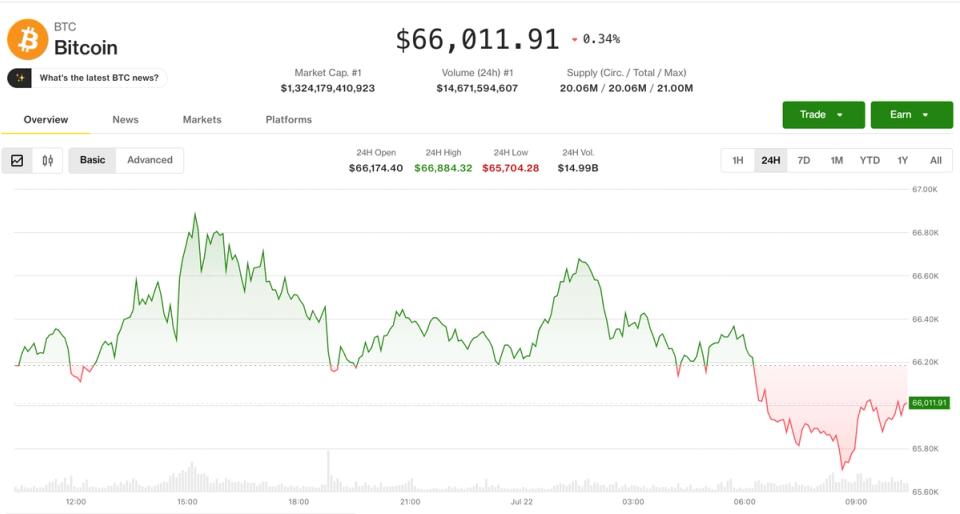
Bitcoin retreats from one-month high as oil prices surge and inflation fears return
As macroeconomic uncertainty grows, market participants are pivoting away from speculative altcoins. Instead, capital is flowing toward traditional safe havens like gold and silver, as well as Bitcoin, which continues to be positioned as a primary hedge against rising inflation and commodity volatility.

Bitcoin Data War: Foundry USA Calls Miners to Vote on Controversial BIP-110
The proposal specifically targets the rise of non-monetary transactions, such as Ordinals, which have significantly increased data footprints on the blockchain. With the voting window set to close at Bitcoin block 961,632 in early August, the outcome will likely dictate the future constraints of Bitcoin's data storage and transaction capacity.
