Geopolitical Shift: Chinese Study Reveals How to Track US Carrier Strike Groups from 3,000km Away

A high-stakes Chinese military study has unveiled sophisticated methods to track and target U.S. carrier strike groups from a distance of 3,000 kilometers. Led by Gao Tianyun at the National University of Defense Technology, the research outlines a lethal surveillance network capable of spanning the distance from Shanghai to Guam, directly challenging American naval dominance.
This strategic revelation is prompting the U.S. to distance its naval assets from key Asian corridors as new tracking guidelines emerge. By leveraging a complex ecosystem of satellites, drones, radar aircraft, and submarines, China is demonstrating a capacity to neutralize high-value maritime targets, fundamentally altering the security landscape of the Indo-Pacific region.
This capability signals a major shift in maritime warfare, as the U.S. begins to adjust its naval positioning in response to these emerging tracking capabilities and the heightened threat of long-range detection in the Pacific.
This is a summarized and adapted version by Artificial Intelligence. To read the complete original story, visit the official source.
Read Full Article at Bitcoin.comSupport Jornal Bitcoin
Independent journalism, curated by AI, no clickbait. Keep the flame alive with any amount of BTC.
jonata@walletofsatoshi.comDaily Crypto Brief 📬
Subscribe to receive the curation of the most important Bitcoin and crypto news, summarized by AI. No spam.
Join more than 10,000 smart readers.
Related News
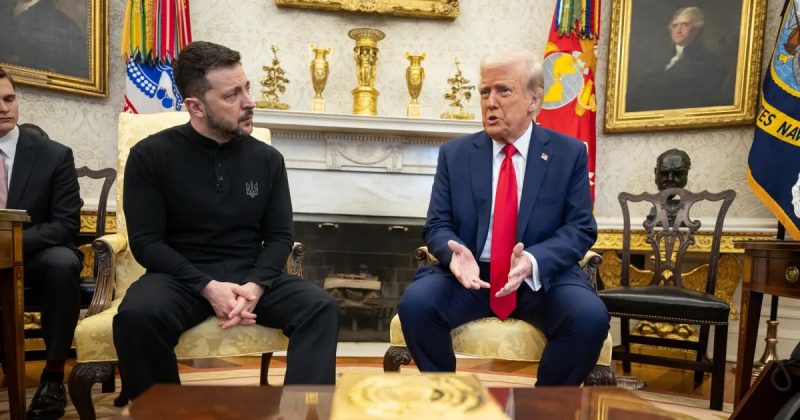
Missile Strike in Kharkiv Escalates Geopolitical Tensions Ahead of Zelenskyy-Trump Meeting
The surge in violence significantly dampens ceasefire optimism and underscores the heightened geopolitical tensions currently shaping international relations. As markets monitor these developments, the impact of this strike could redefine the trajectory of peace negotiations and global economic sentiment.

China vs. USA: How the New 12.5% Tariff Escalation Shifts the Investor Landscape
For traders and institutional players, the consequences are far-reaching, impacting foreign exchange rates, stock market volatility, and the overall performance of risk assets. Navigating this era of trade tariffs and retaliations is essential to mitigate exposure to macroeconomic uncertainty and potential liquidity shifts.

Bitcoin ETF Bloodbath: $465M Vanishes in 48 Hours as BlackRock Leads the Exit
Market analysts are linking this volatility to a perfect storm of macroeconomic stressors, specifically renewed U.S.-Iran tensions and growing fears regarding Fed rate hikes. As geopolitical instability rises, institutional investors appear to be de-risking their Bitcoin positions in anticipation of further market turbulence.
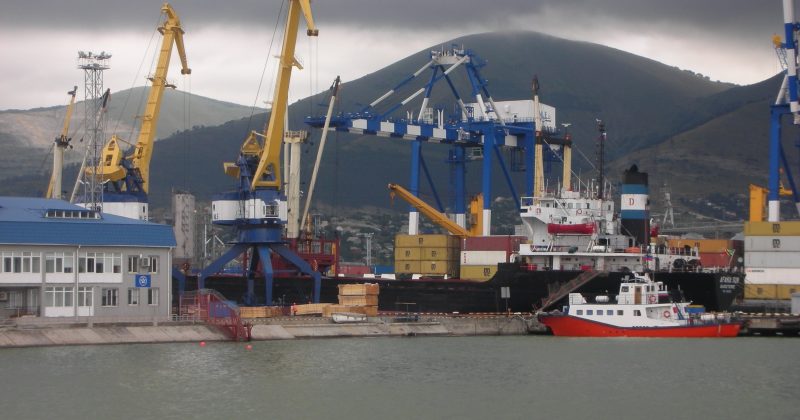
Novorossiysk Port Resumes Crude Loading Following Drone Attack Disruptions
By restoring flow, the port's activity may alleviate upward pressure on oil prices, providing a buffer against ongoing geopolitical tensions. The market is now watching to see if this operational recovery can withstand the persistent risks posed by regional conflicts.

Bitcoin Reclaims $65,000, but Fed Decision Threatens to Turn Rally into a Trap
Despite the bullish momentum, market experts warn that this relief rally could be a trap ahead of Wednesday's pivotal Federal Reserve decision. The upcoming Fed meeting remains the ultimate catalyst that could either solidify this recovery or trigger a sharp reversal in the cryptocurrency market.
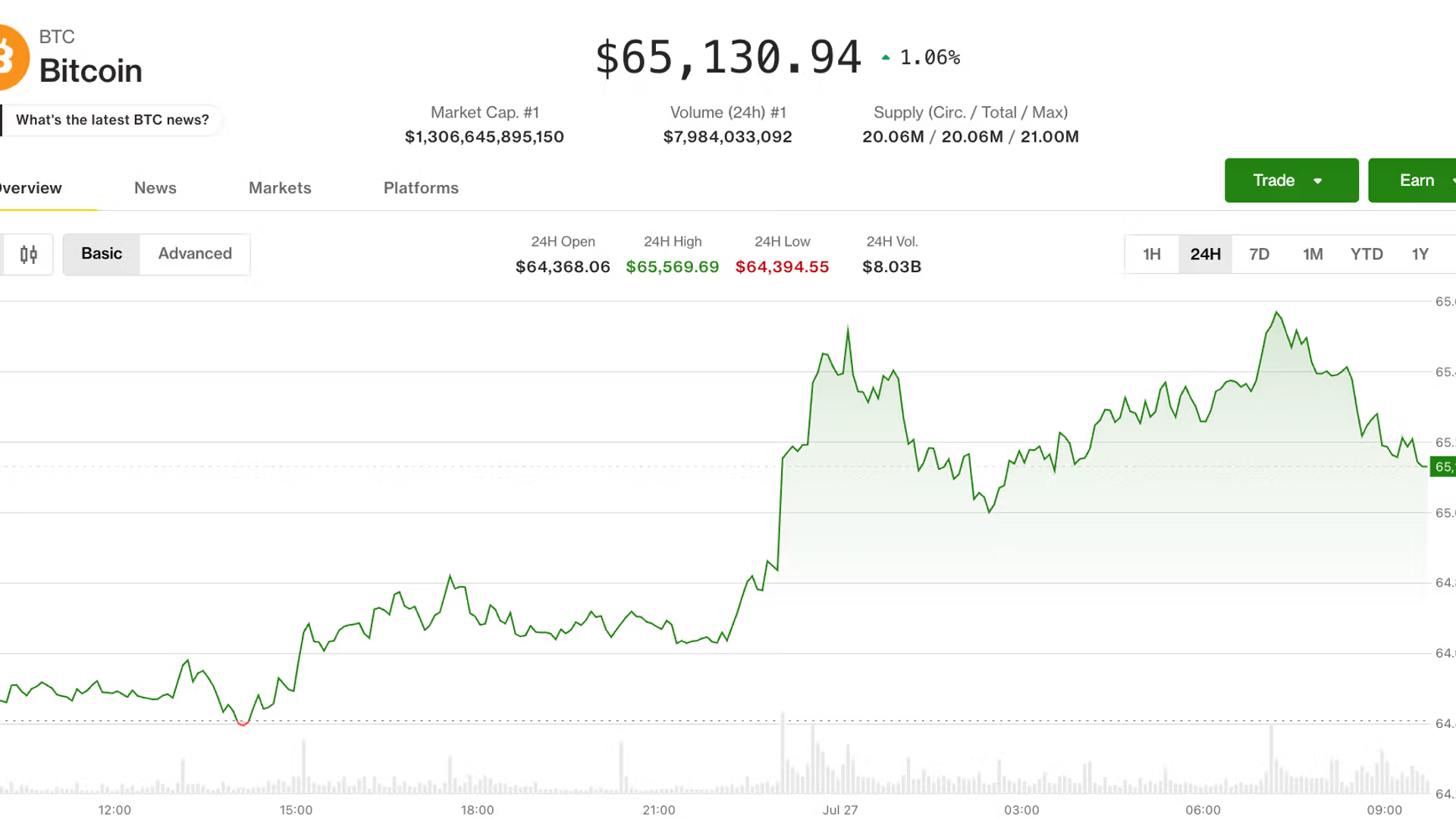
Geopolitical Relief: Iran-U.S. Pause Sends Oil Tumbling and Lifts Risk Assets
The sudden drop in oil prices has provided a tailwind for equities and DeFi tokens, shifting the focus from geopolitical conflict to macroeconomic policy. All eyes are now on the upcoming Federal Reserve decision this Wednesday, which remains the primary catalyst for market direction and liquidity.
