Geopolitical Relief: Iran-U.S. Pause Sends Oil Tumbling and Lifts Risk Assets
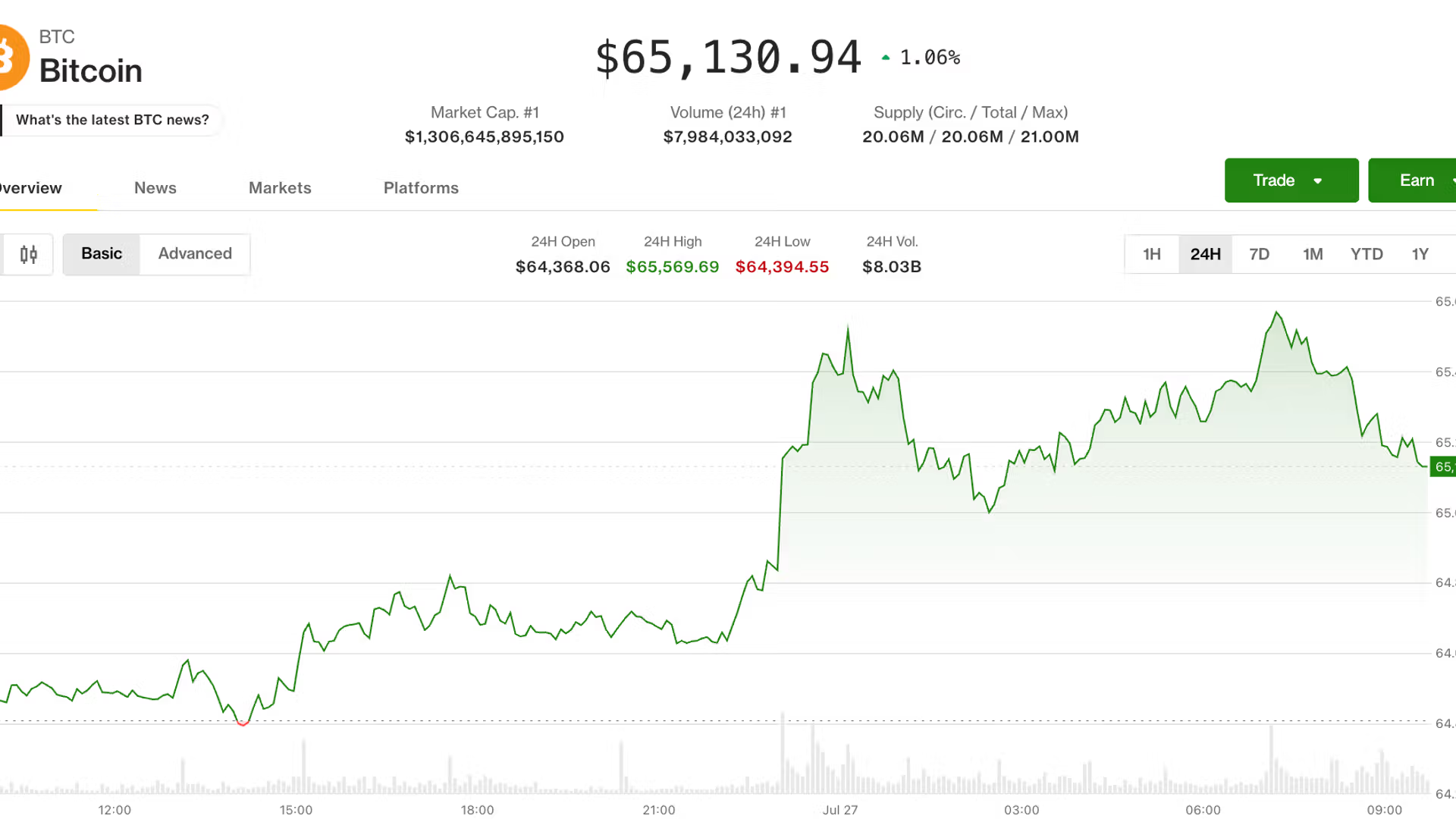
Crypto markets are finding stability as a strategic pause in tensions between the U.S. and Iran provides a much-needed breather for global markets. Following a 7% plunge in Brent crude, investors are rotating back into risk assets, keeping Bitcoin steady near the $65,000 mark.
The sudden drop in oil prices has provided a tailwind for equities and DeFi tokens, shifting the focus from geopolitical conflict to macroeconomic policy. All eyes are now on the upcoming Federal Reserve decision this Wednesday, which remains the primary catalyst for market direction and liquidity.
Crypto markets steadied as a pause in strikes in the Strait of Hormuz between the U.S. and Iran sent Brent crude plunging 7%. This geopolitical easing lifted equities and DeFi tokens, while Bitcoin held firm near $65,000. The market is now bracing for a pivotal Federal Reserve decision on Wednesday, which is expected to act as a major driver for asset volatility.
This is a summarized and adapted version by Artificial Intelligence. To read the complete original story, visit the official source.
Read Full Article at CoinDeskSupport Jornal Bitcoin
Independent journalism, curated by AI, no clickbait. Keep the flame alive with any amount of BTC.
jonata@walletofsatoshi.comDaily Crypto Brief 📬
Subscribe to receive the curation of the most important Bitcoin and crypto news, summarized by AI. No spam.
Join more than 10,000 smart readers.
Related News
Bitcoin ETF Bloodbath: $465M Vanishes in 48 Hours as BlackRock Leads the Exit
Market analysts are linking this volatility to a perfect storm of macroeconomic stressors, specifically renewed U.S.-Iran tensions and growing fears regarding Fed rate hikes. As geopolitical instability rises, institutional investors appear to be de-risking their Bitcoin positions in anticipation of further market turbulence.

U.S. Debt Explosion: Why Investors are Flocking to Bitcoin and Gold
This trend highlights a growing distrust in traditional fiat systems and a pivot toward hard assets. The convergence of institutional interest in Bitcoin and the historical reliability of gold suggests a long-term shift in how global wealth is protected against sovereign debt risks.
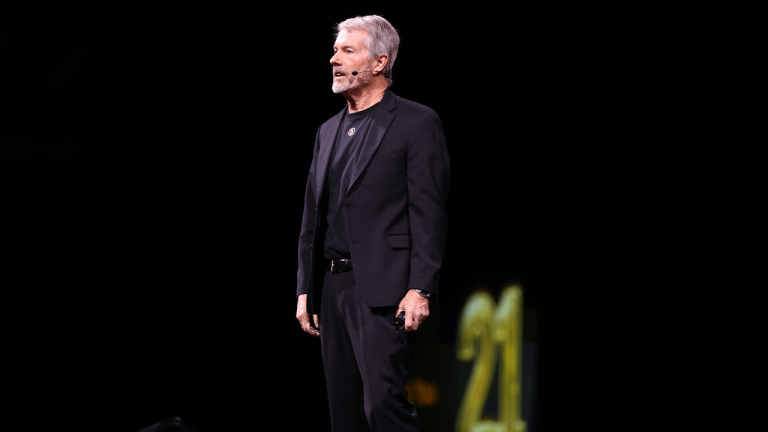
Saylor Warns: Rejecting Bitcoin’s Banking Integration 'Dooms It to 1% of Its Potential'
Despite MicroStrategy's massive 843,775 BTC treasury facing market volatility relative to purchase prices, Saylor remains bullish on systemic integration. He posits that for Bitcoin to reach its full potential as a global reserve asset, it must move beyond niche circles and become a fundamental component of the mainstream banking system.
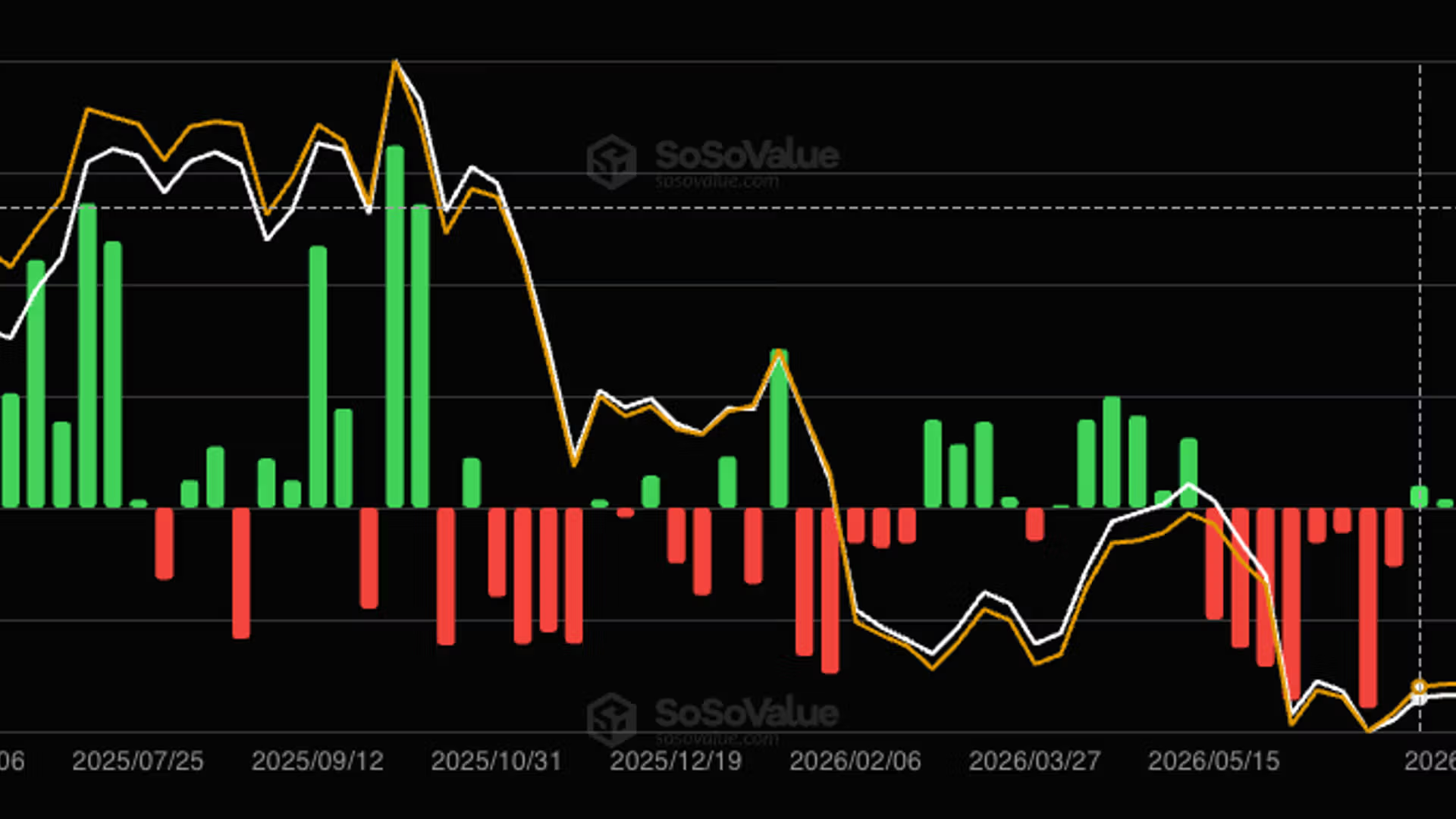
Iron Resilience: Bitcoin ETFs Secure Third Straight Week of Inflows Despite Late-Week Sell-Off
While the overall trend remains bullish, the data reveals significant concentration in specific assets. BlackRock’s IBIT product bore the brunt of the recent volatility, accounting for nearly $415 million in outflows, highlighting a period of intense capital reallocation within the Bitcoin ETF landscape.
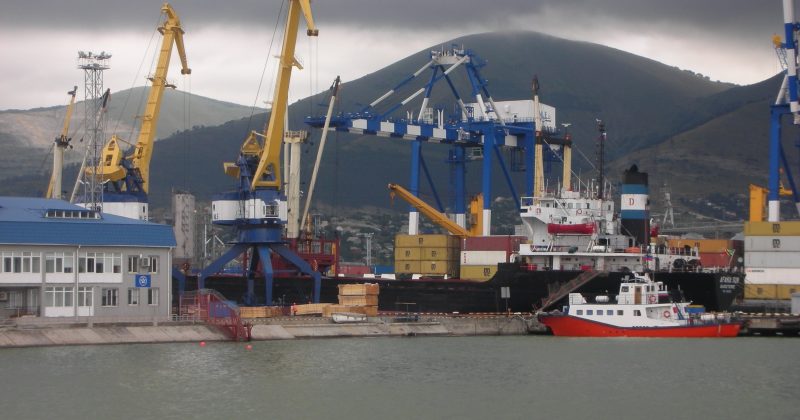
Novorossiysk Port Resumes Crude Loading Following Drone Attack Disruptions
By restoring flow, the port's activity may alleviate upward pressure on oil prices, providing a buffer against ongoing geopolitical tensions. The market is now watching to see if this operational recovery can withstand the persistent risks posed by regional conflicts.
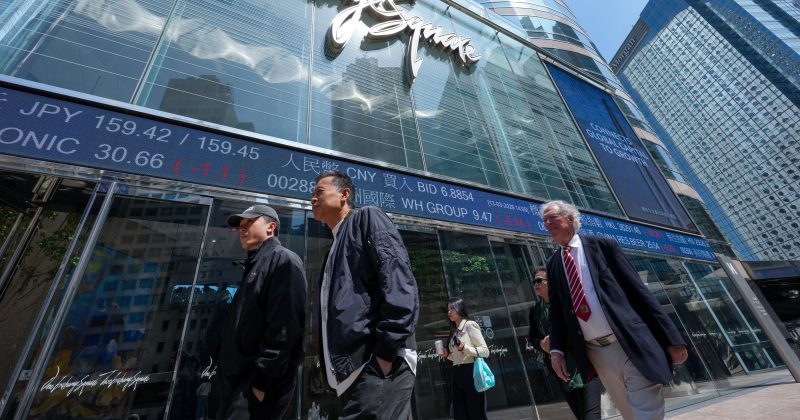
The Ultimate Test: China’s Largest IPO in a Decade Paves Way for Crypto Pre-IPO Futures
The emergence of these sophisticated financial instruments highlights a profound transformation in global investment access while simultaneously presenting significant regulatory challenges for financial markets. As the boundary between traditional capital markets and the crypto ecosystem blurs, market stability and compliance will become the primary battlegrounds for global regulators.
