Middle East Crisis: Iran Missile Strikes Trigger Global Market Fears and Shipping Threats
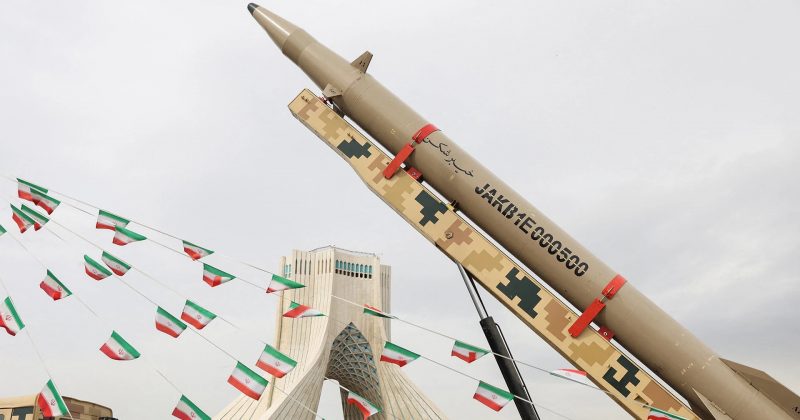
Geopolitical tensions have reached a breaking point as Iran launched missile strikes targeting Jordan, Oman, Bahrain, and Kuwait following US military actions. This sudden escalation heightens regional instability, creating an atmosphere of uncertainty that is already being felt across global financial sectors.
Market analysts are closely monitoring the potential for massive disruptions in the Strait of Hormuz, a critical maritime chokepoint. Any significant impact on shipping routes could lead to severe supply chain volatility and heightened economic risks, forcing a re-evaluation of risk assets in the current climate.
Following recent US strikes, Iran has launched missile attacks against Jordan, Oman, Bahrain, and Kuwait. These strikes significantly heighten regional instability, directly impacting vital shipping routes. Market concerns are mounting over potential future disruptions in the Strait of Hormuz, a move that could have far-reaching consequences for global trade and economic stability.
This is a summarized and adapted version by Artificial Intelligence. To read the complete original story, visit the official source.
Read Full Article at Crypto BriefingSupport Jornal Bitcoin
Independent journalism, curated by AI, no clickbait. Keep the flame alive with any amount of BTC.
jonata@walletofsatoshi.comDaily Crypto Brief 📬
Subscribe to receive the curation of the most important Bitcoin and crypto news, summarized by AI. No spam.
Join more than 10,000 smart readers.
Related News
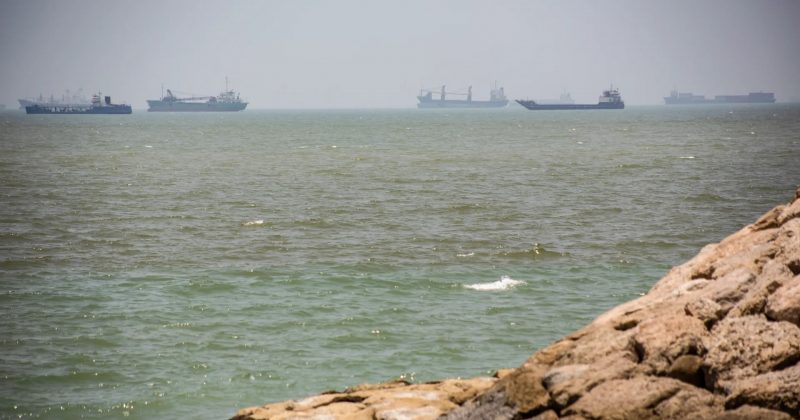
Hormuz Standoff: US Fails to Consult Allies Amid Escalating Iran Fee Tensions
This diplomatic isolation is expected to fuel market uncertainties and heighten regional economic instability. As the standoff over Iranian fees intensifies, the absence of a unified allied front creates a vacuum of predictability, potentially triggering volatility across energy markets and broader financial sectors.

Hormuz Standoff: Polymarket Traders Bet $9.8M on Rapid Normalization
While the situation remains volatile, the market is currently pricing a 0.35% chance of full normalization by July 15. This high-stakes betting environment highlights how prediction markets are becoming essential tools for gauging the perceived likelihood of a ceasefire amidst escalating Middle East tensions.
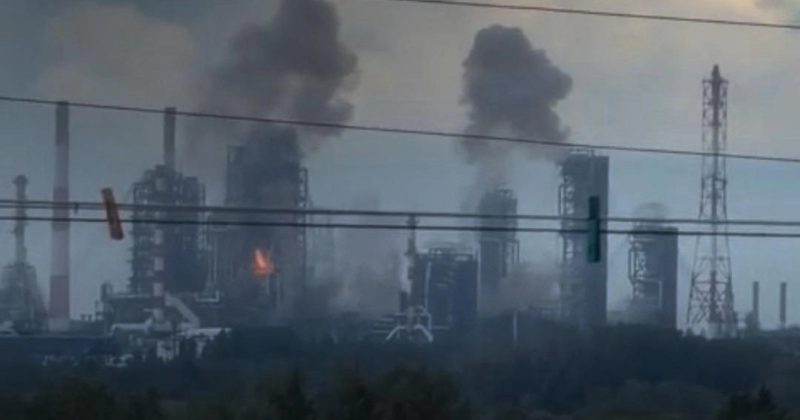
Energy Warfare: Ukraine Strikes Russian Infrastructure, Triggering Fuel Shortages
Beyond the immediate battlefield, these strikes could fundamentally shift conflict dynamics and cause significant ripples in global energy markets. The resulting volatility poses a direct threat to international geopolitical strategies and global energy security stability.
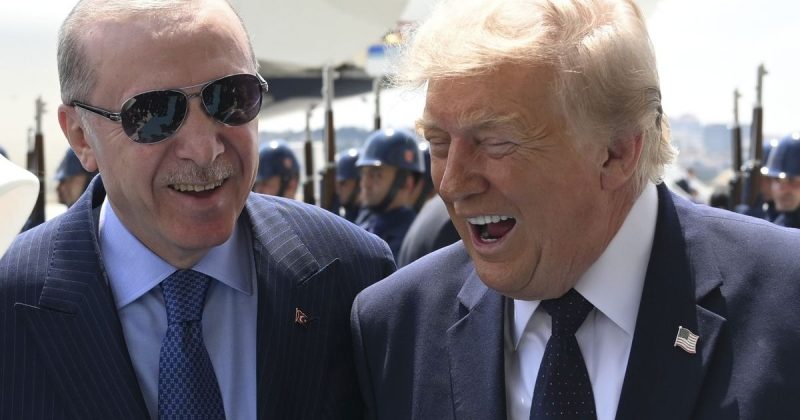
Geopolitical Shockwave: Trump Claims US to Take Control of Strait of Hormuz Following Iran Strikes
The implications of U.S. control over this chokepoint are profound, threatening to disrupt global energy markets and exacerbate regional instability. Such volatility often spills over into financial markets, creating unpredictable conditions for both traditional commodities and the broader crypto ecosystem.

Diplomatic Friction: German Chancellor Demands Talks with China Over Yuan Manipulation
This diplomatic friction carries the potential to reshape EU-China trade dynamics on a massive scale. As the world watches, the outcome of these discussions could significantly influence global economic policies and redefine the geopolitical landscape of international finance.
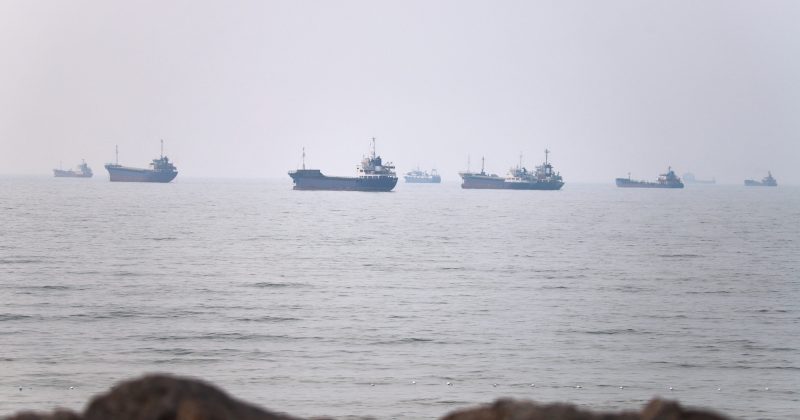
Geopolitical Shockwave: Strait of Hormuz Ship Traffic Plummets Following US-Iran Strikes
The escalating conflict poses a direct threat to global oil supply chains, potentially compromising international energy security and market stability. As military actions intensify, the risk of a massive supply disruption looms large, creating significant uncertainty for global economic actors and energy markets.
