Kalshi’s Court Defeat: Why Federal Approval Won't Stop State-Level Bans on Prediction Markets
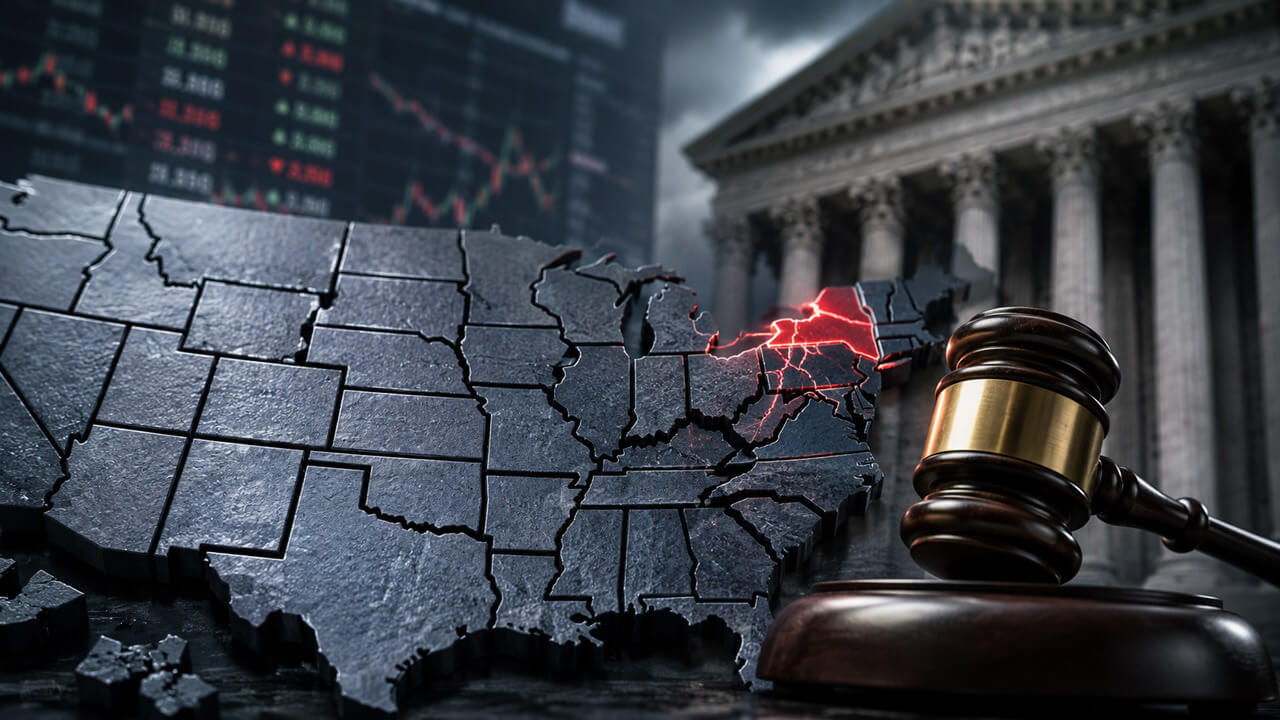
Kalshi's recent legal setback reveals a massive loophole in the regulatory landscape for prediction markets. Even with federal backing on the horizon, this ruling empowers states like New York to aggressively enforce their own sports-event regulations, potentially creating a fragmented market despite national progress.
As the CFTC continues to draft comprehensive national rules, the industry faces a period of intense uncertainty. The tension between federal oversight and state-level enforcement could leave prediction markets fenced off, preventing seamless nationwide adoption and complicating the path for decentralized and centralized platforms alike.
The court loss suffered by Kalshi demonstrates that federal approval may still leave prediction markets fenced off by individual states. The ruling specifically provides New York with the legal room to press for sports-event enforcement, even as the CFTC is still in the process of writing national rules for the industry.
This development underscores a growing jurisdictional battle that could define the future of event-based trading in the United States.
This is a summarized and adapted version by Artificial Intelligence. To read the complete original story, visit the official source.
Read Full Article at CryptoSlateSupport Jornal Bitcoin
Independent journalism, curated by AI, no clickbait. Keep the flame alive with any amount of BTC.
jonata@walletofsatoshi.comDaily Crypto Brief 📬
Subscribe to receive the curation of the most important Bitcoin and crypto news, summarized by AI. No spam.
Join more than 10,000 smart readers.
Related News

Mbappé Ties Messi for 2026 World Cup Golden Boot as Crypto Betting Markets React
Mbappé's World Cup performance underscores the growing influence of crypto in sports betting, as evolving regulatory shifts increasingly favor blockchain platforms. As the intersection of elite football and digital assets deepens, the integration of blockchain technology is set to redefine how fans engage with high-stakes sports wagering and liquidity.
Regulatory Gridlock: White House Claims Zero Democratic Nominees for SEC and CFTC Vacancies
This political standoff comes at a high-stakes moment for the crypto market structure legislation currently pending in Congress. With only Republican-nominated members currently confirmed, the lack of diverse leadership could significantly impact how the SEC and CFTC oversee digital assets and emerging financial technologies.
Phantom and Hyperliquid Demand CFTC Modernization to Save Onchain Derivatives
This legal push aims to prevent developers from being forced into registration solely for creating onchain software and to ensure that regulated derivatives firms can safely utilize blockchain infrastructure. The core of the argument rests on the fundamental difference between custodial institutions and decentralized protocols, where users maintain direct control over their assets without a middleman.
Regulatory War: CFTC Chair Slams CME’s Self-Certified 24/7 Crude Oil Futures
This confrontation underscores a pivotal moment in the evolution of commodity trading and regulatory boundaries. As exchanges push for continuous liquidity through 24/7 trading models, the fallout from this dispute could fundamentally alter how self-certification is perceived and how the CFTC manages the risks associated with non-stop, high-frequency crude oil futures markets.

The Pulisic Effect: How a World Cup Injury Shook Sports Prediction Markets and Athlete Tokens
The fallout extends to broader investor confidence, highlighting the fragility of athlete-linked tokens when faced with unpredictable physical setbacks. As the intersection of sports and blockchain grows, this event underscores the critical importance of risk management within the sports prediction market ecosystem.
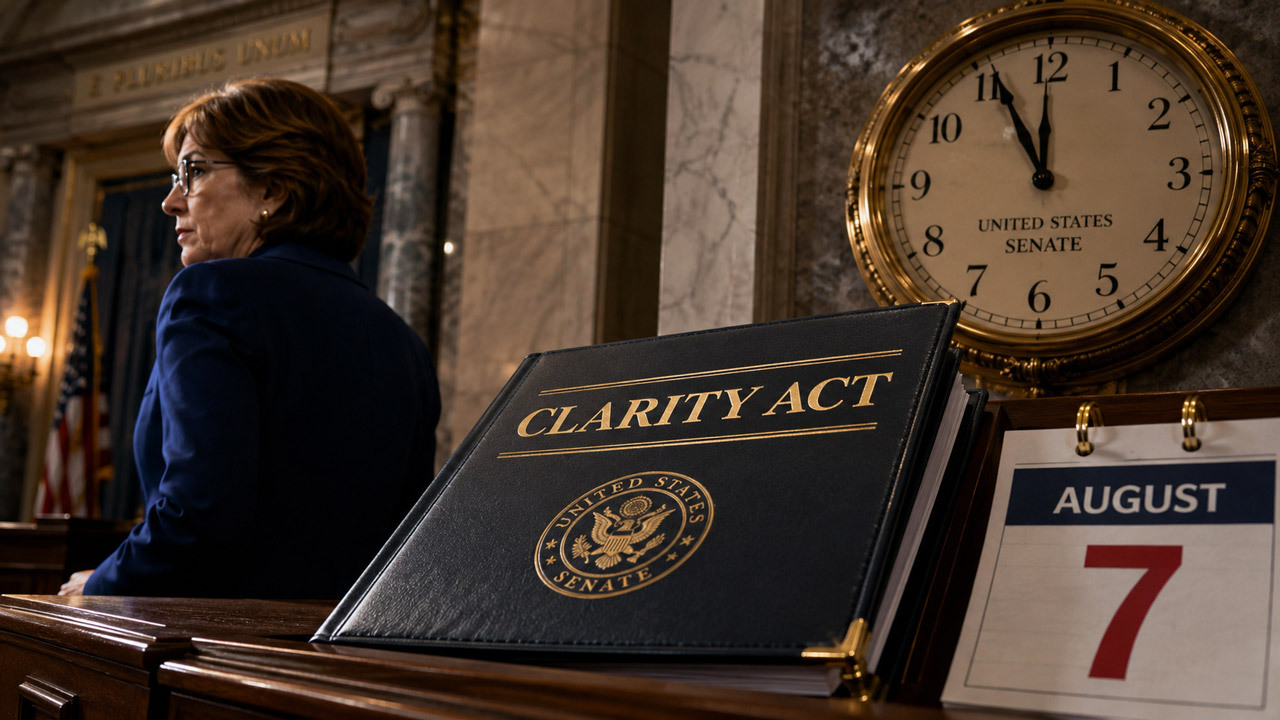
Deadline Alert: August 7 Becomes the Make-or-Break Date for the CLARITY Act
This delay carries significant implications for the future of crypto regulation. Failure to secure floor time could stall the momentum of the CLARITY Act, potentially delaying much-needed regulatory clarity for the digital asset industry and shifting the political landscape for blockchain legislation.
