Regulatory Gridlock: White House Claims Zero Democratic Nominees for SEC and CFTC Vacancies
The White House has signaled a major regulatory bottleneck, claiming it has received no Democratic nominees to fill critical vacancies at the SEC and CFTC. This leadership deficit leaves both top-tier financial regulators understaffed and lacking the bipartisan balance necessary for stable governance in the US financial sector.
This political standoff comes at a high-stakes moment for the crypto market structure legislation currently pending in Congress. With only Republican-nominated members currently confirmed, the lack of diverse leadership could significantly impact how the SEC and CFTC oversee digital assets and emerging financial technologies.
White House officials have stated they have 'not received names' from Senate Democrats regarding potential commissioners for the Securities and Exchange Commission (SEC) and the Commodity Futures Trading Commission (CFTC). In a letter addressed to Senate leaders John Thune and Chuck Schumer, officials noted that they had previously solicited names to address the staffing shortages currently plaguing these agencies.
Both regulatory bodies are currently understaffed at the leadership level, with existing panels consisting solely of Republican members. Lawmakers have voiced growing concerns regarding this imbalance, particularly as the US moves toward deciding critical crypto market structure legislation that will define the future of digital asset oversight.
This is a summarized and adapted version by Artificial Intelligence. To read the complete original story, visit the official source.
Read Full Article at CoinTelegraphSupport Jornal Bitcoin
Independent journalism, curated by AI, no clickbait. Keep the flame alive with any amount of BTC.
jonata@walletofsatoshi.comDaily Crypto Brief 📬
Subscribe to receive the curation of the most important Bitcoin and crypto news, summarized by AI. No spam.
Join more than 10,000 smart readers.
Related News

SEC Power Move: New Chicago Appointment Signals Regulatory Crackdown Ahead
This development is significant because regional offices serve as the frontline of the SEC's enforcement machinery. With increased market volatility and institutional adoption, the expansion of the agency's bench in Chicago suggests that regulatory scrutiny over crypto entities and decentralized protocols is set to intensify significantly.

Lutnick Pressure: US Demands Samsung and SK Hynix Relocate Memory Chip Production
This shift in global supply chains could fundamentally reshape market dynamics and influence hardware pricing across multiple industries. The relocation of memory chip production represents a massive pivot that could alter the competitive landscape for tech giants and global electronics manufacturers alike.

Coinbase Shakeup: Top Legal Exec Paul Grewal Steps Down Following SEC Battle
The departure, coupled with the reassignment of other key legal personnel, indicates a strategic reorganization within Coinbase. As the regulatory landscape for crypto evolves, this restructuring suggests the exchange is pivoting its legal strategy to adapt to post-litigation realities in the United States.

Trump's Bitcoin Reserve: Why Hype and Dashboards Aren't Enough to Shape Policy
This gap between political sentiment and regulatory reality defines the current crypto landscape. For a Bitcoin reserve to move from speculative hype to a cornerstone of national finance, it must navigate complex bureaucratic hurdles and overcome the volatility of campaign-driven narratives.
Phantom and Hyperliquid Demand CFTC Modernization to Save Onchain Derivatives
This legal push aims to prevent developers from being forced into registration solely for creating onchain software and to ensure that regulated derivatives firms can safely utilize blockchain infrastructure. The core of the argument rests on the fundamental difference between custodial institutions and decentralized protocols, where users maintain direct control over their assets without a middleman.
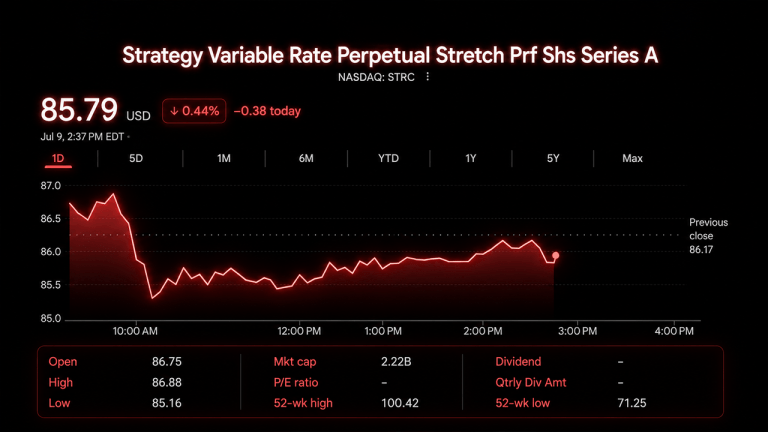
Controversy Erupts: Using Bitcoin Sales to Fund Stock Buybacks Sparks Intense Debate
While the firm boosted dividends to 12% in late June, the market remains skeptical of using volatile Bitcoin holdings to support equity prices. This maneuver highlights a growing tension between crypto treasury management and traditional stock market stability, posing questions about long-term sustainability.
