Phantom and Hyperliquid Demand CFTC Modernization to Save Onchain Derivatives
Phantom and the Hyperliquid Policy Center are officially pushing the CFTC to overhaul outdated regulatory frameworks that threaten the decentralized ecosystem. By responding to a formal request for information, these industry leaders are demanding that blockchain protocol developers and non-custodial wallet providers be exempted from rules built for centralized financial intermediaries.
This legal push aims to prevent developers from being forced into registration solely for creating onchain software and to ensure that regulated derivatives firms can safely utilize blockchain infrastructure. The core of the argument rests on the fundamental difference between custodial institutions and decentralized protocols, where users maintain direct control over their assets without a middleman.
The companies argued that existing CFTC regulations were designed for custodial financial intermediaries that hold customer assets and process trades, while onchain protocols allow users to transact directly without intermediaries controlling funds or executing orders.
This is a summarized and adapted version by Artificial Intelligence. To read the complete original story, visit the official source.
Read Full Article at CoinTelegraphSupport Jornal Bitcoin
Independent journalism, curated by AI, no clickbait. Keep the flame alive with any amount of BTC.
jonata@walletofsatoshi.comDaily Crypto Brief 📬
Subscribe to receive the curation of the most important Bitcoin and crypto news, summarized by AI. No spam.
Join more than 10,000 smart readers.
Related News

SK Hynix Sets $149 ADR Price for Record-Breaking US Listing
The SK Hynix US listing could reshape global tech investment dynamics by providing unprecedented access to capital markets. As the semiconductor industry evolves, this offering represents a pivotal shift in how international tech giants engage with US-based liquidity.

Defying the Crash: Hyperliquid Token Soars 163% Amidst Crypto Market Downturn
This surge signals a structural shift in the industry, as capital migrates from centralized exchanges to decentralized DeFi solutions. The rising volume on the decentralized exchange and robust Open Interest suggest that Hyperliquid is successfully consolidating its dominance within the decentralized trading ecosystem.
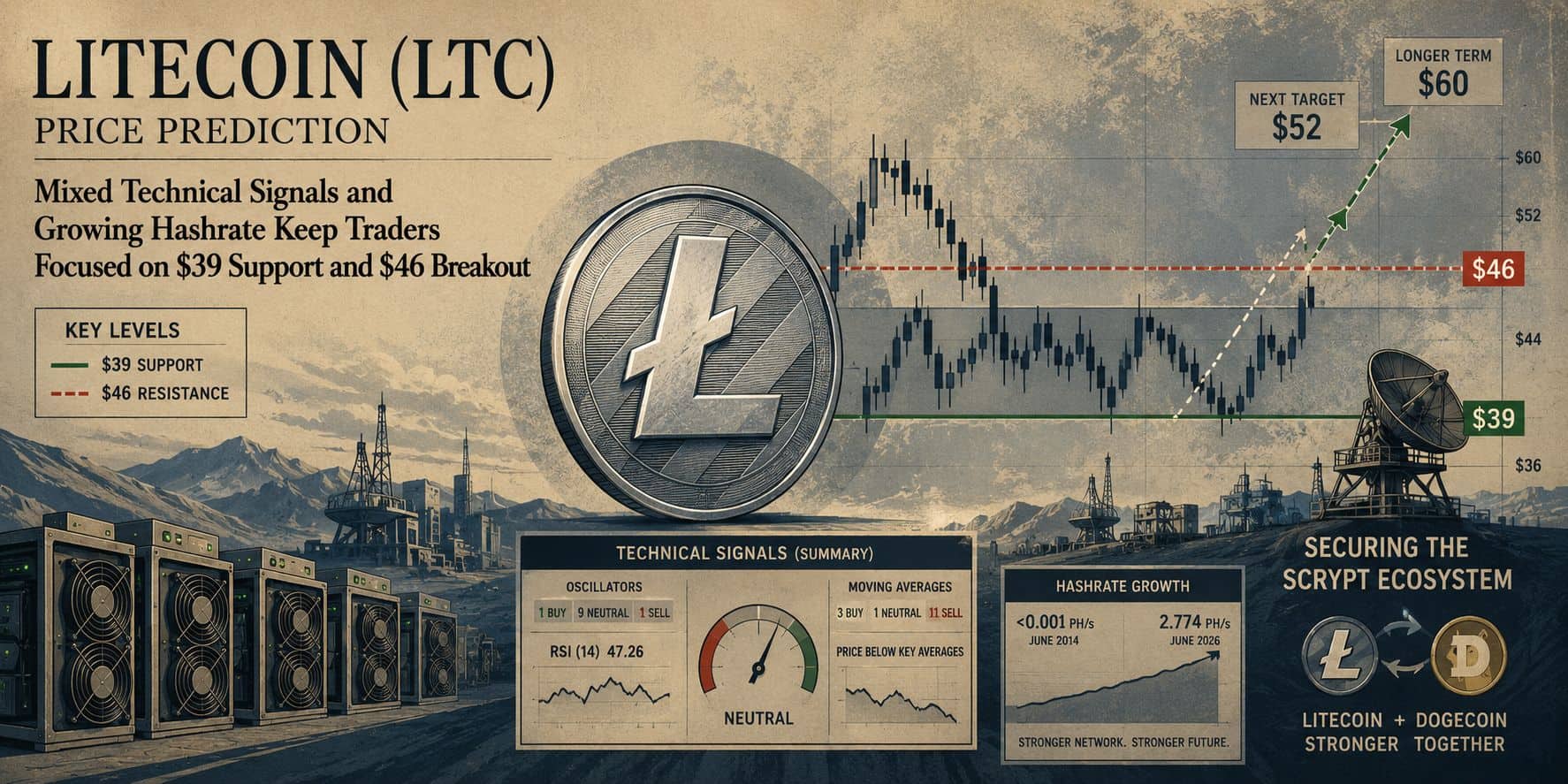
Litecoin Price Alert: Mixed Signals and Rising Hashrate Put $39 Support and $46 Breakout in Focus
Despite the mixed technical signals, the growing hashrate provides a bullish underlying metric for the network's security. The key battleground remains the $46 breakout point; a successful move above this resistance could validate the improving price structure and trigger a significant rally.

Regulatory Revolution: The GENIUS Act Sets the First U.S. Framework for Stablecoins
By formalizing these requirements, the GENIUS Act is poised to drive institutional adoption and stabilize the broader crypto market. The focus on reserve transparency and licensing standards ensures that stablecoins can function as reliable tools for global payments while minimizing the risk of systemic failure within the financial ecosystem.

Lutnick Pressure: US Demands Samsung and SK Hynix Relocate Memory Chip Production
This shift in global supply chains could fundamentally reshape market dynamics and influence hardware pricing across multiple industries. The relocation of memory chip production represents a massive pivot that could alter the competitive landscape for tech giants and global electronics manufacturers alike.

The Uniswap Fee Switch Debate: Why Product Success Isn't Driving Token Value
This friction underscores the broader industry struggle to find sustainable revenue streams that benefit native asset holders. As the debate intensifies, the outcome of the Uniswap fee switch discussion will serve as a litmus test for whether DeFi protocols can successfully bridge the gap between high-volume usage and long-term tokenomics value.
