Energy Shift: China's Oil Demand Plummets 19% Amid Supply Disruptions
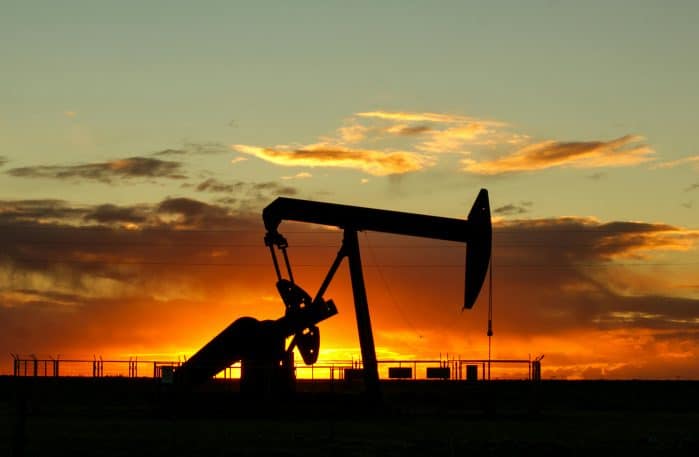
A massive shift is underway in the global energy landscape as China's oil demand plummeted by 19% in June, triggered by significant supply disruptions. This sharp contraction serves as a critical indicator of shifting consumption patterns that could destabilize traditional energy pricing models.
This downturn points toward a long-term structural pivot, highlighting the accelerating rise of alternative energy sources as a dominant force. As traditional fossil fuel reliance weakens, the global market must brace for a new era defined by energy diversification and the rapid adoption of sustainable technologies.
China's oil demand saw a staggering 19% drop in June, amid supply disruptions that are reshaping the energy sector. This decline signals a potential long-term shift in global energy markets, emphasizing the rapid rise of alternative energy sources and a growing departure from traditional fossil fuel dependency.
This is a summarized and adapted version by Artificial Intelligence. To read the complete original story, visit the official source.
Read Full Article at Crypto BriefingSupport Jornal Bitcoin
Independent journalism, curated by AI, no clickbait. Keep the flame alive with any amount of BTC.
jonata@walletofsatoshi.comDaily Crypto Brief 📬
Subscribe to receive the curation of the most important Bitcoin and crypto news, summarized by AI. No spam.
Join more than 10,000 smart readers.
Related News

US Strike Hits Iranian Wheat Silo: Why Crypto Markets Are Shrugging It Off
While the escalation of the US-Iran conflict poses a significant threat to global oil routes and international stability, the digital asset sector remains unphased. This decoupling suggests that investors may be viewing crypto as a distinct asset class, less sensitive to immediate commodity-driven geopolitical shocks than previously anticipated.

Hormuz Strait Crisis: Polymarket Bets on Low Chance of Normalization by July
As interim peace deals unravel, reports of vessels being hit in Gulf waters underscore a growing conflict. The market's skeptical outlook suggests that investors are bracing for prolonged instability, which could have far-reaching consequences for global trade routes and broader financial market volatility.
Geopolitical Shockwave: Graham’s Tariffs Bill Targets China and India Over Russian Oil Imports
Beyond the immediate diplomatic fallout, the bill threatens to disrupt the global oil supply and drive energy prices higher. Such a move poses a direct threat to global economic stability, creating a ripple effect that could impact everything from commodity markets to broader financial volatility.

AI Bubble Warning: TS Lombard Urges Fed to Tighten Policy Amid Tech Surge
This warning echoes historical concerns regarding tech bubbles, suggesting that the current AI-driven growth could lead to systemic volatility. If the Fed fails to act, the unchecked momentum in the AI sector may trigger an inflationary spiral, mirroring the patterns of past technological manias that disrupted global markets.
Oil Price Surge: US-Iran Tensions Trigger Massive Two-Day Rally
Beyond immediate market volatility, this trend poses a significant threat to global economies by potentially driving up inflation. As energy prices climb, nations may face intense pressure to restructure their energy policies to mitigate the impact on economic growth and consumer stability.
Middle East Tension: China’s Crude Oil Imports Plunge to Decade-Low
This trend is expected to reshape global energy markets by exerting significant pressure on oil prices and potentially accelerating the global shift towards alternative energy sources. As China seeks to hedge against geopolitical risks, the resulting market volatility could provide the necessary momentum for a faster transition to renewable and decentralized energy infrastructures.
