Brave New Coin

Crypto Dispensers Names Mohamed Abdel Aleem as Chief Compliance Officer Amid Regulatory Push

August 7, 202603:40 PM
Crypto Dispensers Names Mohamed Abdel Aleem as Chief Compliance Officer Amid Regulatory Push

Crypto Dispensers has appointed Mohamed Abdel Aleem as Chief Compliance Officer, a strategic move that underscores the company's commitment to regulatory compliance in an increasingly scrutinized crypto landscape. With regulatory bodies worldwide tightening their grip on digital assets, this appointment signals Crypto Dispensers' proactive approach to navigating complex compliance frameworks. The hiring comes at a critical time as the cryptocurrency industry faces mounting pressure from regulators globally. Abdel Aleem's expertise will be crucial in helping Crypto Dispensers maintain its operations while adhering to evolving compliance requirements, positioning the company favorably in the eyes of regulators and institutional investors who prioritize compliance in their crypto partnerships.

This is a summarized and adapted version by Artificial Intelligence. To read the complete original story, visit the official source.

Read Full Article at Brave New Coin
QR Code Lightning

Support Jornal Bitcoin

Independent journalism, curated by AI, no clickbait. Keep the flame alive with any amount of BTC.

Wallet of Satoshi
jonata@walletofsatoshi.com

Daily Crypto Brief 📬

Subscribe to receive the curation of the most important Bitcoin and crypto news, summarized by AI. No spam.

Join more than 10,000 smart readers.

Related News
BlackRock's Warning: Productivity Revolution Could Slash Jobs
Crypto Briefing

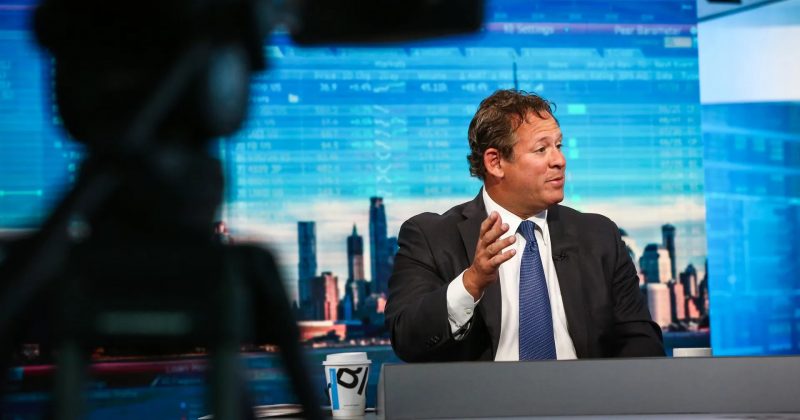
BlackRock's Warning: Productivity Revolution Could Slash Jobs

BlackRock's Rick Rieder points to a productivity revolution driving payroll contraction, signaling a fundamental shift in labor markets and monetary policy. This technological transformation is challenging traditional economic indicators and forcing a reevaluation of investment strategies in the face of increasing automation and AI.

The productivity revolution, powered by artificial intelligence and automation, is creating a paradigm where fewer workers can generate greater output, directly impacting the cryptocurrency and digital asset markets. Investors and economists are closely watching how this structural change could influence Federal Reserve monetary policy and market cycles, potentially creating new opportunities for decentralized financial innovation.

US Treasury Sanctions 2 Iran-Linked Crypto Exchanges
CoinTelegraph

US Treasury Sanctions 2 Iran-Linked Crypto Exchanges

The US Treasury Department's Office of Foreign Assets Control (OFAC) has sanctioned two Iran-linked cryptocurrency exchanges for money laundering. Shelbit and Aban Tether were accused of facilitating illicit cryptocurrency activities and sanctions evasion, using proceeds to support Iran's Islamic Revolutionary Guard Corps (IRGC). The sanctions target an individual and associated crypto wallets and companies, totaling $5 million in digital assets.

This action represents a new front in the US economic pressure on Iran, extending traditional financial sanctions to the cryptocurrency sector. Treasury Secretary Scott Bessent emphasized that 'whether in dollars, rials, or crypto, Treasury will hunt down and dismantle the illicit financial networks that keep the regime afloat.' This move could have significant implications for the global crypto ecosystem, particularly for exchanges operating in regions under international sanctions.

Pentagon probes munitions stockpile leaks amid rising US-Iran tensions
Crypto Briefing

Pentagon probes munitions stockpile leaks amid rising US-Iran tensions

The Pentagon has launched an investigation into munitions stockpile leaks as US-Iran tensions reach a critical point. These security breaches represent a significant threat to national security and could potentially derail delicate nuclear negotiations between the two nations. The incidents occur as diplomatic relations between Washington and Tehran are under intense scrutiny, with potential implications for global financial markets and oil prices. Geopolitical experts warn that the situation could lead to an escalation of hostilities in the Gulf region, directly impacting the stability of cryptocurrency markets and digital assets like Bitcoin and Ethereum.
Deadline Looms: BitGo Investors Rush to Meet August 7 Class-Action Lawsuit Deadline

CryptoSlate

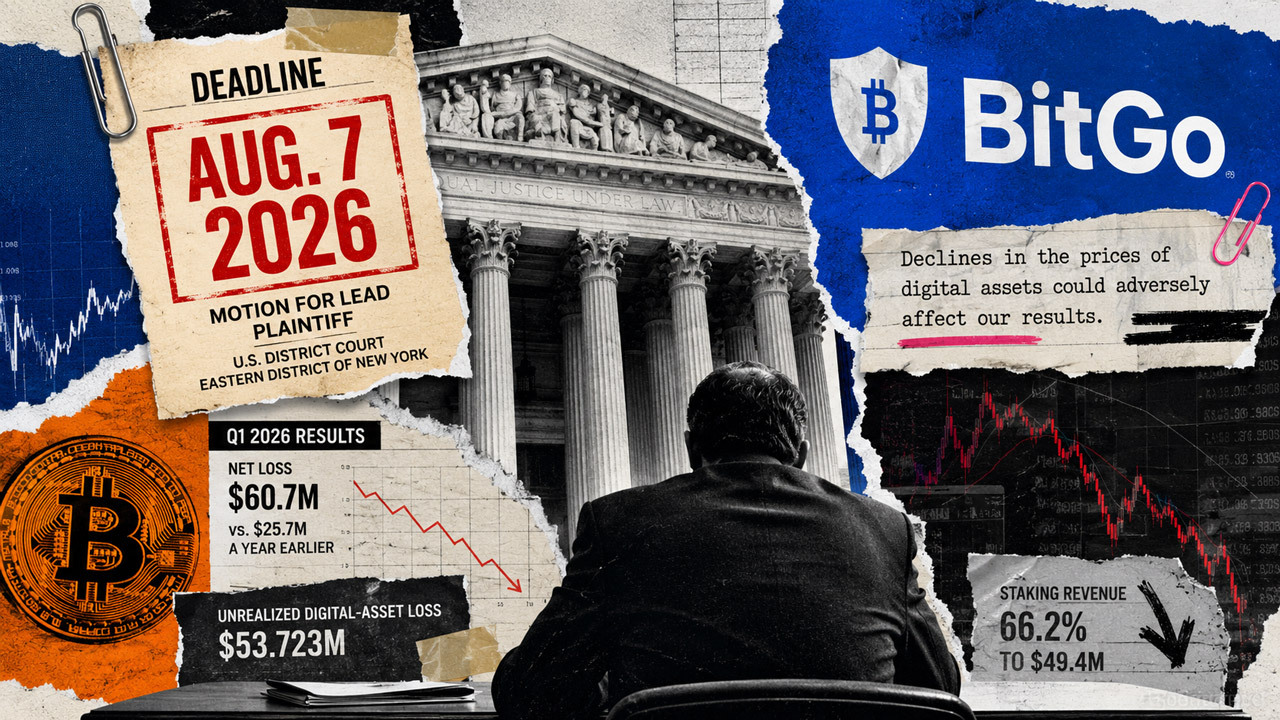
Deadline Looms: BitGo Investors Rush to Meet August 7 Class-Action Lawsuit Deadline

BitGo investors are facing a flood of warnings about the August 7 deadline for joining a class-action lawsuit. The Q1 results confirmed the company's exposure to crypto price volatility, while BitGo's prospectus contained explicit warnings that are now being challenged by the legal action. This situation presents a significant challenge to BitGo's reputation and could have substantial financial consequences for both the company and its investors. The class-action lawsuit questions the information disclosed by the company, highlighting the importance of transparency in the cryptocurrency sector and the risks associated with trading digital assets.
US Widens Iran Crypto Crackdown with Sanctions on Two Exchanges
CoinDesk

US Widens Iran Crypto Crackdown with Sanctions on Two Exchanges

The U.S. Treasury's Office of Foreign Assets Control (OFAC) has sanctioned Iranian cryptocurrency exchanges Shelbit and Aban Tether, widening Washington's campaign to cut Tehran's access to crypto and foreign currency markets. This action marks a significant escalation in America's efforts to prevent sanctioned nations from utilizing digital assets for financial transactions.

The sanctions specifically target financial infrastructure that allows Iran to bypass traditional economic restrictions, using cryptocurrencies for international transactions. This move reflects growing U.S. concerns about digital assets being used to evade sanctions and may lead to increased scrutiny on exchanges operating in regions with international restrictions.

OpenAI to Pay $3.2M Settlement After Discrimination Claims Against US Workers
The Daily Hodl

OpenAI to Pay $3.2M Settlement After Discrimination Claims Against US Workers

OpenAI and its subsidiary Statsig have reached a $3.2 million settlement with the U.S. Department of Justice following allegations of discriminating against American workers in favor of foreign visa holders for certain PERM-related positions. The artificial intelligence powerhouse has agreed to pay penalties, compensate victims, revise hiring policies, and submit to monitoring as part of the resolution. This case involves discrimination in the hiring process and violation of U.S. labor laws.

This settlement sets a significant precedent in the technology sector, where the global race for talent often collides with local employment laws. The financial penalty, combined with the requirement to compensate victims and implement systemic changes, sends a clear message to AI and tech companies about the importance of compliance with U.S. labor laws, even amid the pursuit of global talent acquisition.

Jornal Bitcoin Logo