US Treasury Sanctions 2 Iran-Linked Crypto Exchanges
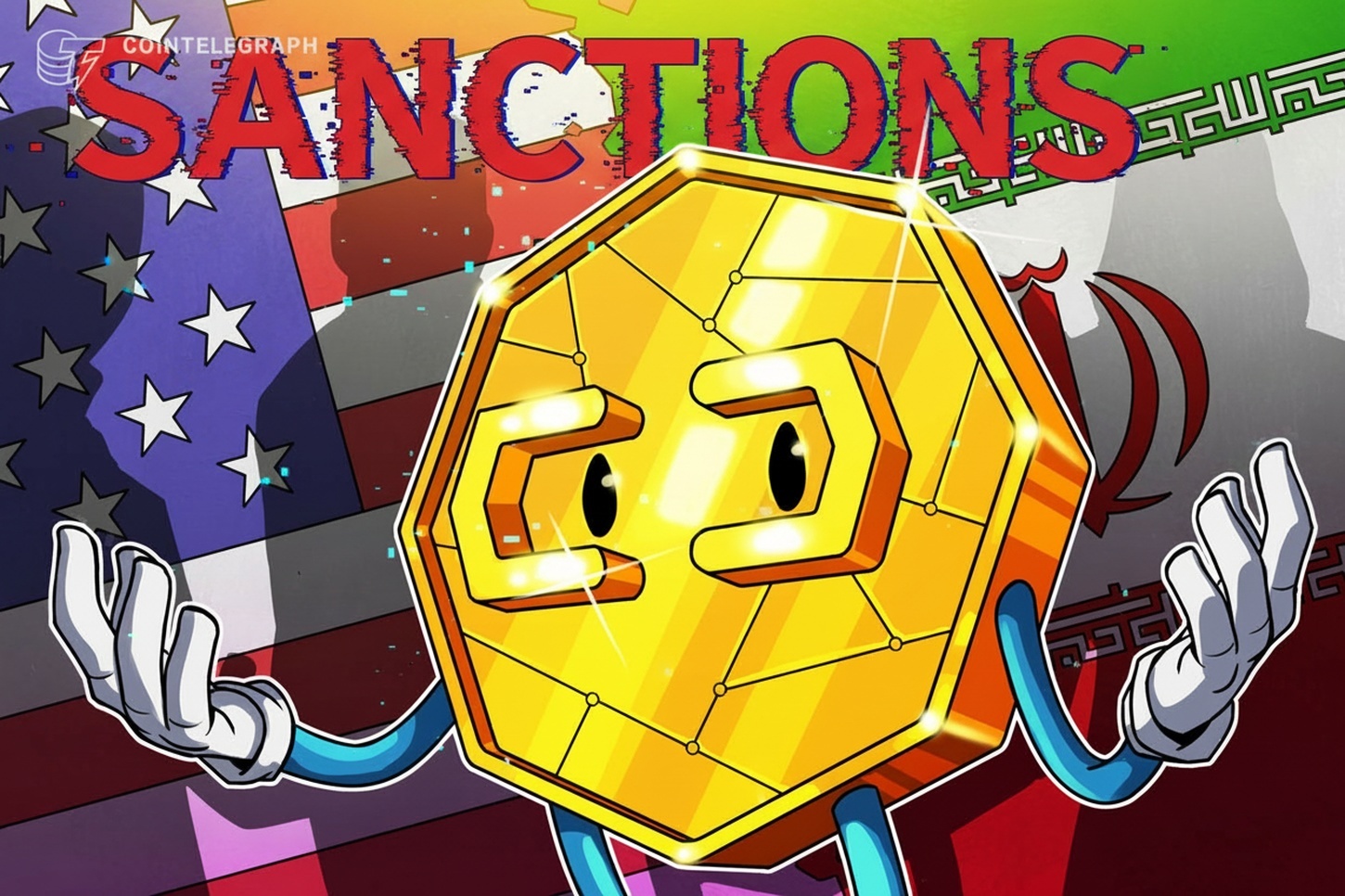
The US Treasury Department's Office of Foreign Assets Control (OFAC) has sanctioned two Iran-linked cryptocurrency exchanges for money laundering. Shelbit and Aban Tether were accused of facilitating illicit cryptocurrency activities and sanctions evasion, using proceeds to support Iran's Islamic Revolutionary Guard Corps (IRGC). The sanctions target an individual and associated crypto wallets and companies, totaling $5 million in digital assets.
This action represents a new front in the US economic pressure on Iran, extending traditional financial sanctions to the cryptocurrency sector. Treasury Secretary Scott Bessent emphasized that 'whether in dollars, rials, or crypto, Treasury will hunt down and dismantle the illicit financial networks that keep the regime afloat.' This move could have significant implications for the global crypto ecosystem, particularly for exchanges operating in regions under international sanctions.
This is a summarized and adapted version by Artificial Intelligence. To read the complete original story, visit the official source.
Read Full Article at CoinTelegraphSupport Jornal Bitcoin
Independent journalism, curated by AI, no clickbait. Keep the flame alive with any amount of BTC.
jonata@walletofsatoshi.comDaily Crypto Brief 📬
Subscribe to receive the curation of the most important Bitcoin and crypto news, summarized by AI. No spam.
Join more than 10,000 smart readers.
Related News
U.S. Treasury Sanctions Crypto Exchanges for Laundering Money to Iran
The Treasury's action represents an escalation in pressure on the cryptocurrency sector, which has increasingly been used to circumvent international sanctions. The sanctions freeze assets in the U.S. and prohibit American citizens from doing business with the exchanges, sending a clear message to the global crypto market about the consequences of facilitating financial transactions for sanctioned entities.

US Widens Iran Crypto Crackdown with Sanctions on Two Exchanges
The sanctions specifically target financial infrastructure that allows Iran to bypass traditional economic restrictions, using cryptocurrencies for international transactions. This move reflects growing U.S. concerns about digital assets being used to evade sanctions and may lead to increased scrutiny on exchanges operating in regions with international restrictions.

US-Iran Ceasefire Imminent: Treasury Secretary Signals Breakthrough
The conclusion of this agreement could trigger a ripple effect across global financial markets, including the cryptocurrency sector, as investors assess the reduced impact of geopolitical uncertainty. With Iran being a major oil producer, stabilization of relations could lead to increases in global supply, potentially pressuring oil prices and affecting the correlation between traditional and digital assets.

Crypto's Biggest Secret: The Industry is Now More Bank Than Bitcoin

Russia Cracks Down on 9 Crypto Exchanges in Moscow Over Money Laundering Ties to Ukraine
The operation marks a new front in the cyber warfare between Russia and Ukraine, with Russian authorities increasingly vigilant about cryptocurrency use for money laundering purposes. The raid at the Moscow International Business Center highlights the government's growing concern about capital flight and the potential use of digital assets to circumvent international sanctions, reinforcing Russia's regulatory stance against the cryptocurrency sector.