Worldcoin Under Fire: Brazilian Prosecutors Demand R$ 240 Million Over Biometric Data Abuse

The Public Ministry of São Paulo (MPSP) has launched a massive civil lawsuit against Tools for Humanity, the entity behind Worldcoin, demanding R$ 240 million in damages. The legal action targets alleged abuses in the collection of biometric data, posing a significant threat to the project's operational legality in Brazil.
In a surprising escalation, Amazon AWS has also been summoned as part of the proceedings. This development underscores the growing scrutiny on how cryptocurrency projects handle sensitive information and the legal liabilities of cloud infrastructure providers in the global digital asset landscape.
The prosecution alleges serious abuses regarding the collection of biometric data from users. By involving Amazon AWS, the authorities are signaling a broader investigation into the security protocols and data handling practices within the decentralized technology sector and its supporting infrastructure.
This is a summarized and adapted version by Artificial Intelligence. To read the complete original story, visit the official source.
Read Full Article at LivecoinsSupport Jornal Bitcoin
Independent journalism, curated by AI, no clickbait. Keep the flame alive with any amount of BTC.
jonata@walletofsatoshi.comDaily Crypto Brief 📬
Subscribe to receive the curation of the most important Bitcoin and crypto news, summarized by AI. No spam.
Join more than 10,000 smart readers.
Related News
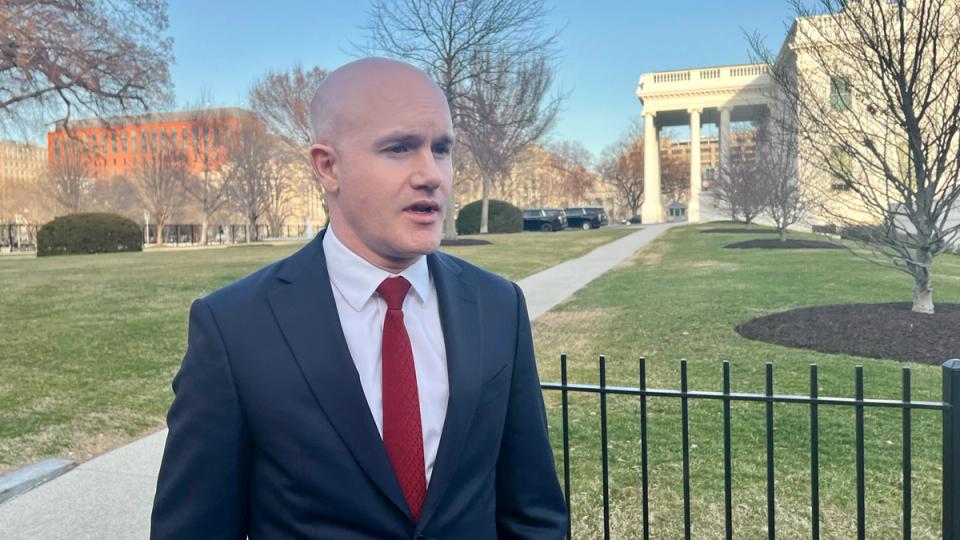
SEC Settles with Coinbase Over Missing Gary Gensler Texts in Major Blow to Transparency
The consequences of this settlement are far-reaching, potentially setting a precedent for how regulatory transparency is enforced in the digital asset space. As the fight over Ethereum's classification and the SEC's internal communications concludes, the industry looks toward a new era of accountability and legal clarity for crypto-native firms.

Digital Warfare: EU Launches New Sanctions Targeting Russian Crypto Operators and Banks
By integrating crypto-assets into its sanctions framework, the EU is signaling a major shift in how digital finance is used in geopolitical conflicts. This crackdown on crypto exchanges and financial service providers is designed to close loopholes used for capital evasion, tightening the noose on Russia's ability to bypass international financial restrictions.

$131 Billion Crypto Vault Boom Challenges SEC's Regulatory Stance
SEC Commissioner Hester Peirce has warned that the regulatory fate of these vaults hinges on their specific structural design and the centralization of investment decisions. This development serves as a critical litmus test for the SEC's evolving relationship with the crypto industry and the future of decentralized yield strategies.

Global Expansion: Qubic Hits 173 Countries via Alchemy Pay Integration
By bridging the gap between traditional finance and the Qubic Protocol, this move is set to drive massive adoption, particularly in key markets like the United States. The integration ensures a seamless onboarding process, making QUBIC more accessible to retail investors worldwide through streamlined payment solutions.

Debt Clearance: Smarter Web Sells 178 Bitcoin to Repay $11.7M TOBAM Debt
This large-scale Bitcoin sale highlights the ongoing tension between holding digital assets and managing corporate liabilities. By repaying the TOBAM debt, Smarter Web aims to stabilize its financial position, though the move underscores the liquidity challenges faced by firms heavily exposed to crypto market fluctuations.

Kazakhstan Forces Crypto Miners to Pay Into State Reserves for Electricity Access
This move represents a significant pivot in how mining-friendly jurisdictions manage resource allocation. As the industry faces tightening regulations, the impact on mining profitability and the global distribution of hash power remains a critical concern for institutional investors and miners alike.
