The $300 Billion Shift: Could Stablecoins Replace National Currencies in the Next Crisis?
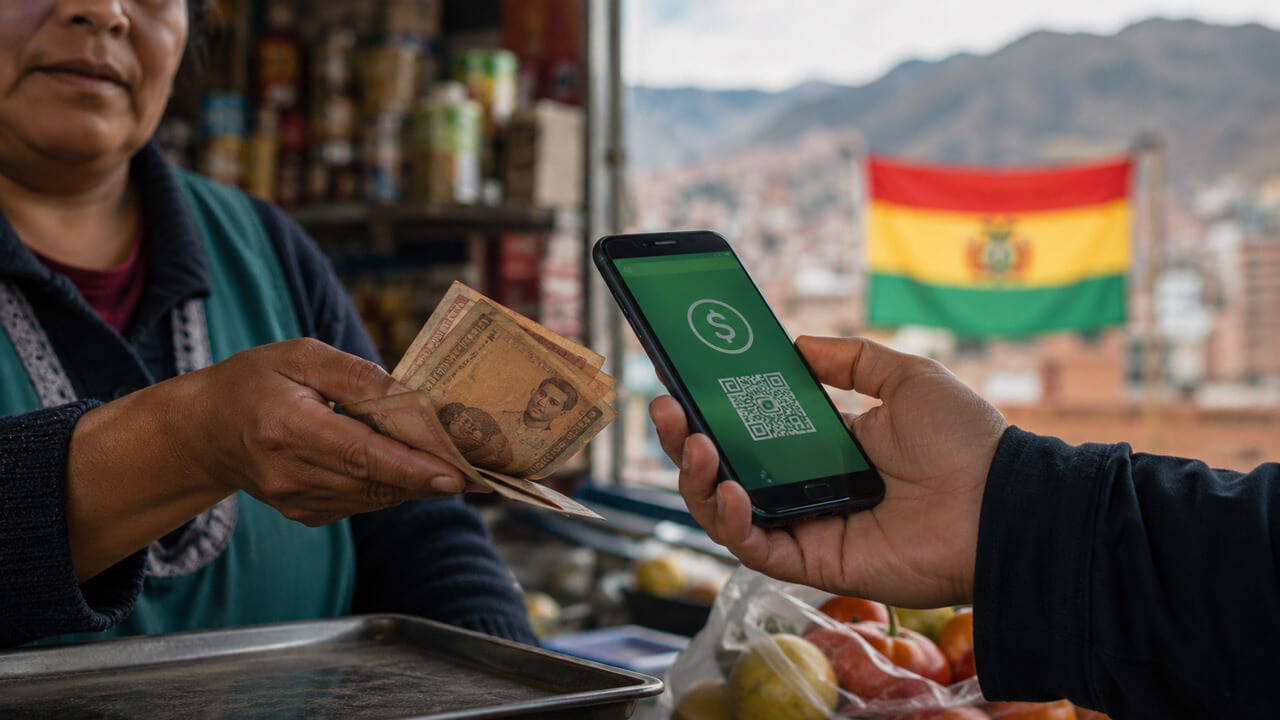
A massive shift is looming as the global financial system faces potential instability, potentially driving $300 billion in stablecoins to compete directly with fiat. Bolivia is currently at the epicenter of this experiment, evaluating the integration of USDT into its regulated payment systems to combat economic volatility and liquidity shortages.
This strategic move highlights a growing trend where nations look toward cryptoassets to stabilize their domestic economies. By moving from a state of prohibition to a technical evaluation of digital assets, governments are signaling that the next major currency crisis might be mitigated by the very tools once viewed as threats to central bank authority.
The next currency crisis could turn $300 billion in stablecoins into de facto national currencies. In Bolivia, the government is evaluating whether to include USDT in its regulated payment system alongside the boliviano and the US dollar, according to local media. While cryptoassets are currently authorized in the country, they lack legal-tender status.
The country's finance minister described the current situation as a 'prohibition lifted without a clear regulatory framework,' suggesting that technical preparations are underway. This development underscores the potential for stablecoins to act as a lifeline for nations facing extreme currency devaluation and economic uncertainty.
This is a summarized and adapted version by Artificial Intelligence. To read the complete original story, visit the official source.
Read Full Article at CryptoSlateSupport Jornal Bitcoin
Independent journalism, curated by AI, no clickbait. Keep the flame alive with any amount of BTC.
jonata@walletofsatoshi.comDaily Crypto Brief 📬
Subscribe to receive the curation of the most important Bitcoin and crypto news, summarized by AI. No spam.
Join more than 10,000 smart readers.
Related News

Crackdown on Scams: North Carolina Implements Strict New Rules for Crypto ATMs
Beyond immediate operational constraints, the law introduces vital refund rights for victims of scams, providing a safety net for retail users. This regulatory shift aims to increase accountability within the crypto ATM industry and enhance overall security for digital asset transactions in the state.

Payment Giant JCB Partners with Circle to Pilot USDC Stablecoin Payments in Japan
By testing proof-of-concept models for internal fund transfers and international visitor payments, the partnership aims to solve complex interoperability challenges across various blockchain networks. This collaboration builds upon JCB's existing efforts to bridge the gap between traditional finance and decentralized technology through physical store pilot programs.

Mizuho Downgrades Circle to 'Underperform' as Open USD Threat Looms
Analysts warn that Open USD's yield pass-through model poses a direct threat to Circle's margins by shifting more reserve income toward distributors. This structural shift could erode the profitability of traditional stablecoin issuers, forcing a reevaluation of Circle's market position and long-term revenue stability in an evolving regulatory and competitive environment.
Chainalysis Goes All-In on Tether Ecosystem with New Stable Blockchain Support
This strategic move highlights the growing dominance of the Tether ecosystem and the increasing demand for sophisticated blockchain analytics. By integrating Stable, Chainalysis ensures that compliance officers and investigators can effectively monitor stablecoin liquidity and transaction patterns in real-time.
UK Inflation Warning: 3.2% Forecast Clouds Outlook for Crypto and Risk Assets
As inflation remains stubborn, the outlook for risk assets becomes increasingly clouded, potentially dampening performance across the digital asset sector. Investors should prepare for heightened volatility, as these macroeconomic shifts often dictate the liquidity flows essential for the growth of the cryptocurrency market.

No Safety Net: Fed Chair Warns Crypto and Stablecoins Are on Their Own
This decisive stance shifts the burden of risk management directly onto the crypto ecosystem and stablecoin issuers. By explicitly stating that the Fed does not want to be in the 'bailout business,' Warsh is signaling a future where digital assets must maintain extreme liquidity and self-sufficiency to survive market volatility without the expectation of a government-backed safety net.
