CLARITY Act Window Reopens: US Crypto Regulation Hits the Senate Agenda Again

US crypto regulation is poised for a major shift as the Senate returns to its legislative agenda, bringing the CLARITY Act back into focus. After years of being trapped in a cycle of enforcement actions and agency turf wars, this bill represents a pivotal attempt to provide much-needed structure to the digital asset landscape.
The reopening of this legislative window could finally resolve the jurisdictional conflicts that have plagued the industry. As the Senate deliberates, the impact of the CLARITY Act could define the future of crypto innovation in the United States, moving the sector away from regulatory uncertainty toward a standardized framework.
US crypto regulation has spent years stuck between enforcement actions, agency turf fights, and unfinished legislation. The CLARITY Act is one of the efforts meant to change that, and the Senate’s return puts the bill back on the agenda. This renewed legislative momentum offers a potential turning point for the industry, aiming to replace ambiguity with a clear, cohesive regulatory roadmap for digital assets.
This is a summarized and adapted version by Artificial Intelligence. To read the complete original story, visit the official source.
Read Full Article at NewsBTCSupport Jornal Bitcoin
Independent journalism, curated by AI, no clickbait. Keep the flame alive with any amount of BTC.
jonata@walletofsatoshi.comDaily Crypto Brief 📬
Subscribe to receive the curation of the most important Bitcoin and crypto news, summarized by AI. No spam.
Join more than 10,000 smart readers.
Related News
Dogecoin at a Crossroads: Support Holds as Traders Await Clear Breakout Signal
This price cooling phase is viewed by analysts as a necessary accumulation period for meme coin traders. The lack of an immediate volatility trigger maintains a cautious sentiment, yet the stability of current support suggests that both retail and speculative interest remain poised for the next major crypto market move.
Red Alert: Bank of Thailand Uncovers Suspicious Stablecoin Activity in 'Grey Economy' Crackdown
The central bank has officially handed its findings over to the securities regulator to initiate a formal investigation. This crackdown highlights the increasing tension between decentralized stablecoin usage and national financial security, signaling a tighter grip on crypto-related capital flight.
Wall Street Giants Lobby SEC: Third-Party Tokens Labeled a Risk to Market Integrity
By advocating for preferential treatment for company-authorized tokenization, these transfer agents are seeking to shape future regulatory frameworks. This push aims to ensure that established financial institutions maintain control over the tokenization landscape, potentially sidelining decentralized competitors and third-party issuers.

Regulatory Milestone: Circle Secures OCC Approval for National Trust Bank to Custody USDC
This move significantly bridges the gap between traditional finance and the blockchain economy, enhancing the legitimacy of USDC within the global market. By securing this digital asset custody license, Circle is setting a new standard for regulatory compliance, paving the way for massive institutional inflows into the crypto ecosystem.
Nasdaq Confirms Permanent Delisting of Bitcoin-Linked Company Following Bankruptcy
This delisting serves as a stark reminder of the volatility within the crypto-adjacent equity sector. The collapse of Bitcoin Depot highlights the severe consequences of corporate insolvency for companies attempting to bridge the gap between traditional stock markets and the digital asset ecosystem.
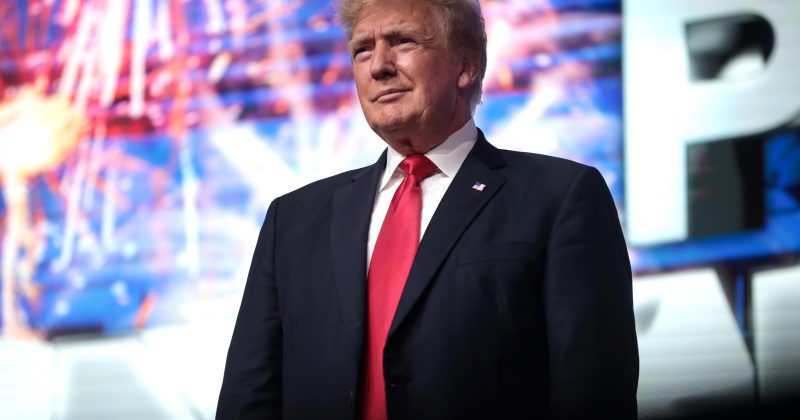
Geopolitical Tightrope: Trump’s Iran Strategy and the Threat to Global Markets
Beyond the immediate diplomatic friction, the consequences of these choices could trigger massive volatility across global markets. As tensions escalate, the intersection of Middle Eastern stability and international finance becomes a primary driver of risk, forcing investors to recalibrate their strategies in response to potential geopolitical shocks.
