China's $125 Billion Escape Valve: Exporting the Way Out of Economic Slowdown
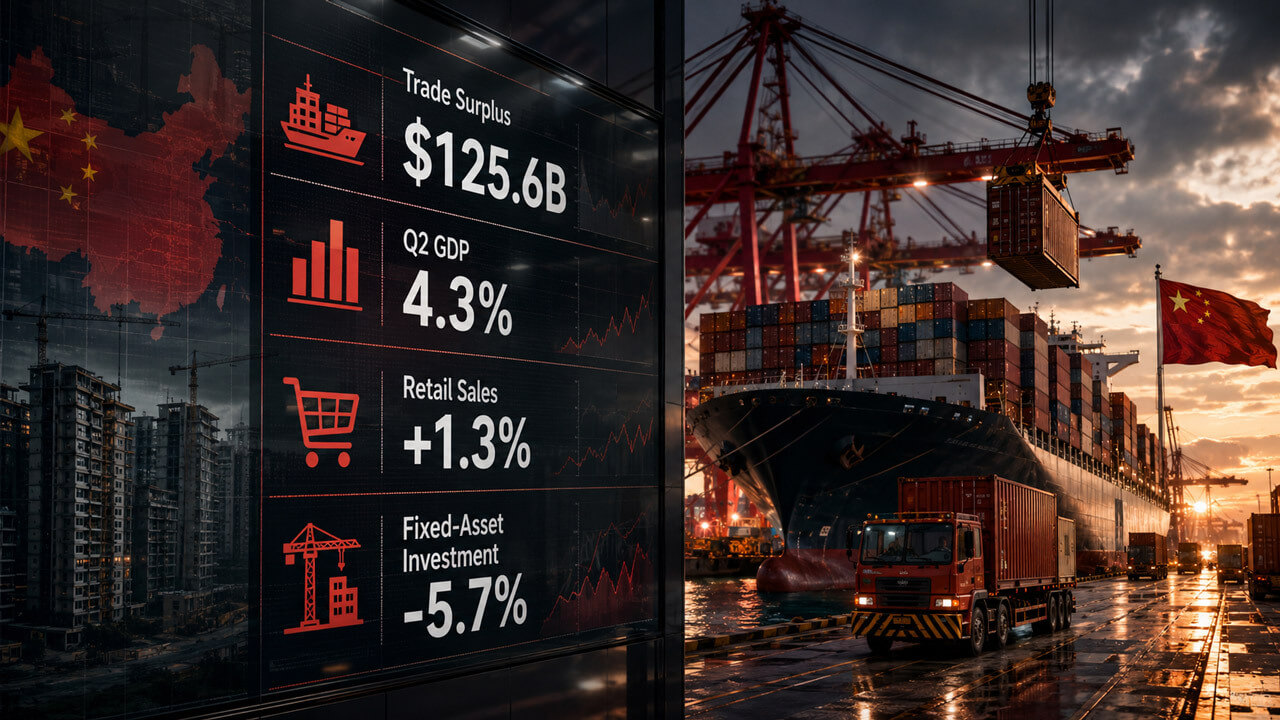
China has identified a massive $125 billion escape valve to counteract its waning economic momentum. While June trade figures and Q2 growth numbers appear robust in isolation, the synthesis of this data exposes a structural flaw: Chinese factories are successfully finding foreign buyers for high-value industrial goods because domestic demand is too weak to absorb the massive output.
This strategic pivot toward international markets serves as a pressure release for an economy struggling with overcapacity. By flooding global markets with industrial goods, China is attempting to offset internal stagnation, a move that carries significant implications for global trade stability and international competition.
This is a summarized and adapted version by Artificial Intelligence. To read the complete original story, visit the official source.
Read Full Article at CryptoSlateSupport Jornal Bitcoin
Independent journalism, curated by AI, no clickbait. Keep the flame alive with any amount of BTC.
jonata@walletofsatoshi.comDaily Crypto Brief 📬
Subscribe to receive the curation of the most important Bitcoin and crypto news, summarized by AI. No spam.
Join more than 10,000 smart readers.
Related News

Bitcoin Under Siege: Middle East Oil Crisis Threatens Crypto Stability
This volatility highlights the growing intersection between global energy security and digital assets. As the market processes the potential for a major supply shock, the impact on Bitcoin liquidity and investor sentiment remains the primary focus for traders watching the unfolding crisis in the Middle East.

Oil Price Surge: US-Iran Tensions and Strait of Hormuz Disruptions Trigger Market Chaos
Market analysts are closely monitoring the situation, with data suggesting crude oil could hit a new all-time high by December 31, potentially seeing a 13.5% spike. Such a significant move in oil prices could have profound implications for inflation and broader financial markets, marking a critical period for commodity traders and global investors alike.
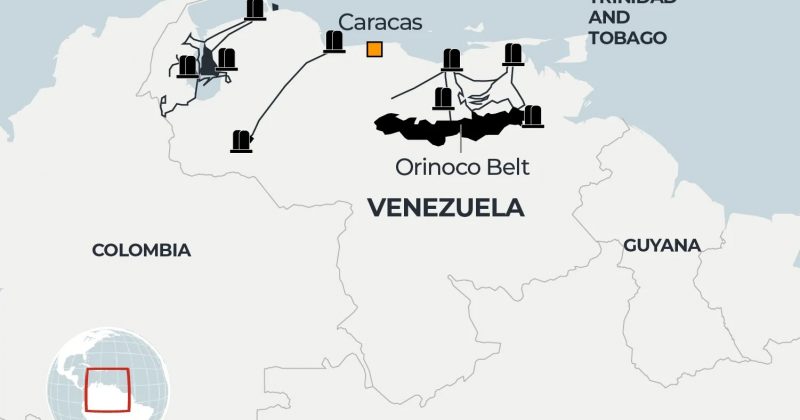
Digital Oil: USDT Trading Volume in Venezuela Now Rivals Crude Exports
The increasing reliance on Tether allows the sanctioned petrostate to settle crude sales through digital assets, effectively bypassing traditional financial bottlenecks. This evolution underscores the growing role of USDT in global commodity trade and its capacity to function as a workaround in geopolitically constrained markets.

China's Economic Slowdown Hits 4.3%: Will Fiscal Stimulus Save Risk Assets?
As the slowdown persists, the potential for increased fiscal stimulus from Beijing looms large. Such intervention could drastically shift risk asset dynamics, influencing everything from traditional equities to the volatility seen in the cryptocurrency markets as investors react to new liquidity injections.
Geopolitical Crisis: US Targets Iran’s Civilian Infrastructure Amid Trump’s Escalating Threats
This escalation poses a severe threat to the normalization of the Strait of Hormuz, a critical artery for global trade. Furthermore, the heightened instability is actively undermining prospects for economic recovery deals, potentially triggering widespread market volatility and energy supply disruptions.

South China Sea Escalation: US Coast Guard Boosts Presence Amid Chinese Patrols
Beyond the immediate naval standoff, this escalation poses a direct threat to regional stability and vital global trade routes. As geopolitical risks rise, market participants should prepare for potential shifts in global economic sentiment and increased volatility across interconnected financial sectors.
