South China Sea Escalation: US Coast Guard Boosts Presence Amid Chinese Patrols

The United States Coast Guard has significantly increased its presence in the South China Sea, directly responding to intensified Chinese naval patrols in the area. This strategic deployment underscores the rising geopolitical tensions that are reshaping maritime security protocols.
Beyond the immediate naval standoff, this escalation poses a direct threat to regional stability and vital global trade routes. As geopolitical risks rise, market participants should prepare for potential shifts in global economic sentiment and increased volatility across interconnected financial sectors.
The US Coast Guard is boosting its presence in the South China Sea in response to increased patrols by China. This heightened activity highlights the rising geopolitical tensions in the region, which have the potential to impact regional stability and disrupt critical global trade routes.
This is a summarized and adapted version by Artificial Intelligence. To read the complete original story, visit the official source.
Read Full Article at Crypto BriefingSupport Jornal Bitcoin
Independent journalism, curated by AI, no clickbait. Keep the flame alive with any amount of BTC.
jonata@walletofsatoshi.comDaily Crypto Brief 📬
Subscribe to receive the curation of the most important Bitcoin and crypto news, summarized by AI. No spam.
Join more than 10,000 smart readers.
Related News

Geopolitical Alert: Trump Threatens Iran’s Civilian Infrastructure, Sending Shockwaves Through Markets
This escalation poses a direct threat to global markets, potentially triggering massive volatility and shifting investor sentiment. The threat against civilian targets reduces the likelihood of a diplomatic resolution and forces a re-evaluation of risk management strategies across all major asset classes.
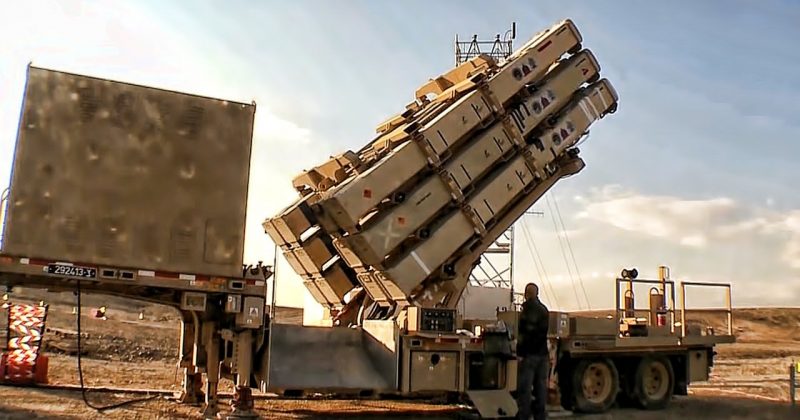
US Strike Hits Iranian Wheat Silo: Why Crypto Markets Are Shrugging It Off
While the escalation of the US-Iran conflict poses a significant threat to global oil routes and international stability, the digital asset sector remains unphased. This decoupling suggests that investors may be viewing crypto as a distinct asset class, less sensitive to immediate commodity-driven geopolitical shocks than previously anticipated.

Global Alert: UN Extends Red Sea Houthi Attack Monitoring, Fueling Market Uncertainty
By prolonging this oversight, the UN acknowledges that the maritime corridor remains a high-risk zone for international logistics. This extended period of instability could trigger volatility in global markets, as investors weigh the consequences of potential supply chain disruptions and heightened geopolitical risks.

Red Alert: Former CIA Analyst Warns Iran Can Target US and Israeli Sites
The potential for rapid escalation could further destabilize regional security, effectively diminishing any remaining prospects for a diplomatic resolution. As geopolitical risks mount, the impact on global security frameworks and market volatility remains a primary concern for analysts worldwide.
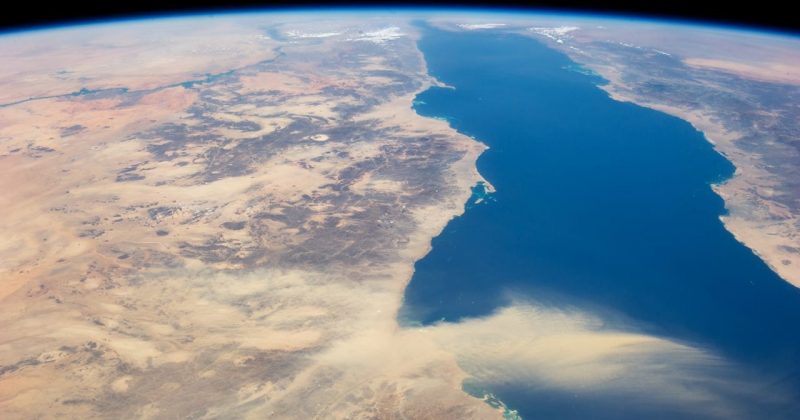
Red Sea Alert: Iranian Plane Lands in Yemen, Fueling Strategic Fears
Iran's increasing footprint in Yemen risks heightening regional tensions and disrupting vital maritime routes. Such strategic movements could lead to significant consequences for global trade, potentially causing widespread economic shifts and supply chain instability.
Strategic Pivot: Trump Scraps Hormuz Toll Plan for Gulf Trade Deals
While the pivot toward trade deals could stabilize regional relations and bolster economic cooperation, the shadow of Iran remains. Analysts are questioning whether this diplomatic approach can effectively neutralize potential Iranian tolls and prevent sudden disruptions to global supply chains and energy markets.
