China’s Submarine Missile Test Sends a Warning to Washington: Why Markets Are on Edge
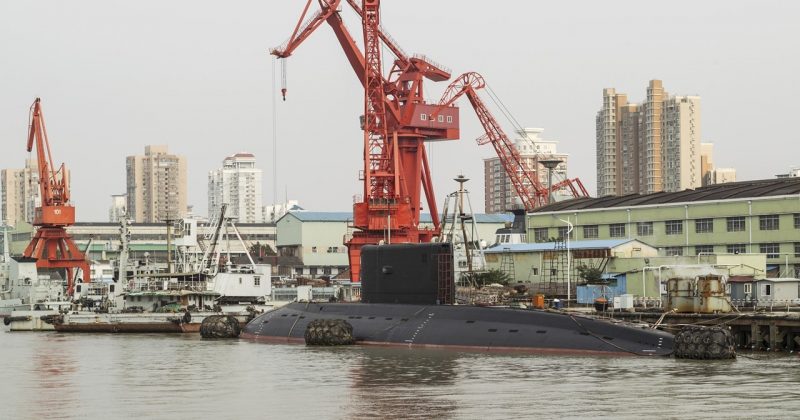
China's latest submarine missile test serves as a potent demonstration of escalating military capabilities, sending a clear strategic message to Washington. This surge in geopolitical tension underscores a critical shift in the global power balance that demands immediate attention from market participants.
As military capabilities expand, the risk of miscalculation grows, prompting urgent calls for improved communication between global superpowers. For investors, this heightened instability acts as a primary driver for market volatility, potentially shifting capital toward decentralized assets as a hedge against geopolitical unrest.
As the threat of miscalculation looms, there are growing calls for improved communication channels to prevent accidental escalation. In this high-stakes environment, the intersection of military posturing and global finance means that market volatility is likely to increase, making it essential for traders to monitor how these geopolitical shifts impact traditional and digital asset classes.
This is a summarized and adapted version by Artificial Intelligence. To read the complete original story, visit the official source.
Read Full Article at Crypto BriefingSupport Jornal Bitcoin
Independent journalism, curated by AI, no clickbait. Keep the flame alive with any amount of BTC.
jonata@walletofsatoshi.comDaily Crypto Brief 📬
Subscribe to receive the curation of the most important Bitcoin and crypto news, summarized by AI. No spam.
Join more than 10,000 smart readers.
Related News

Goldman Sachs: Carry Trade Conditions Hit 20-Year High, Priming Crypto Rally
Despite this bullish setup, the macro landscape remains fragile. A sudden shift in monetary policy could trigger rapid sell-offs, meaning that while the carry trade provides a tailwind for crypto, the risk of a sudden liquidity crunch remains a critical factor for traders to monitor.

Regulatory Loophole? OpenAI and Google Sell AI Models to Blacklisted Chinese-Linked Firms in Singapore
The strategic use of Singapore as a neutral hub for AI transactions underscores the growing complexity of global tech governance. As geopolitical tensions rise, these loopholes allow sanctioned entities to maintain access to cutting-edge AI models, posing a direct challenge to the effectiveness of current export controls and technological containment strategies.

Bitdeer Goes All-In: $36M Nevada Factory to Mass-Produce Sealminer Hardware
By targeting a production capacity of 10,000 Sealminer units per month, Bitdeer is proactively addressing the challenge of tightening Bitcoin mining margins. This vertical integration allows the company to secure its supply chain and maintain a competitive edge in the rapidly evolving landscape of Bitcoin mining infrastructure.
Bitcoin's Quiet Split: Strong in USD, Lagging in JPY as Yen Surges on Intervention Fears
The primary driver behind this trend is the sudden appreciation of the Yen, fueled by growing fears of government intervention to stabilize the currency. As the Yen strengthens, the relative value of Bitcoin in JPY terms faces downward pressure, demonstrating how macroeconomic shifts and central bank policies can decouple crypto performance from traditional bullish trends.

Gulf Flare-up: Polymarket Odds for Hormuz Traffic Normalization Slide to 62.5%
This sudden shift highlights how regional conflicts can rapidly influence prediction markets and global sentiment. As Iran responds with attacks affecting U.S.-allied Gulf states, the market is bracing for potential disruptions in international trade routes and heightened volatility in global energy security.

Bitcoin Surges Toward $64,000 as Chip Rally and Yen Strength Fuel Gains
Remarkably, this 4.2% gain over the last seven days comes despite significant global headwinds, including oil shocks, a bond selloff, and heightened geopolitical tensions involving U.S. strikes on Iran. The ability of Bitcoin to maintain this trajectory amidst such macro volatility underscores its growing resilience in the current financial landscape.
