Washington Deadlock: White House Clashes with Democrats Over CLARITY Act Crypto Ethics
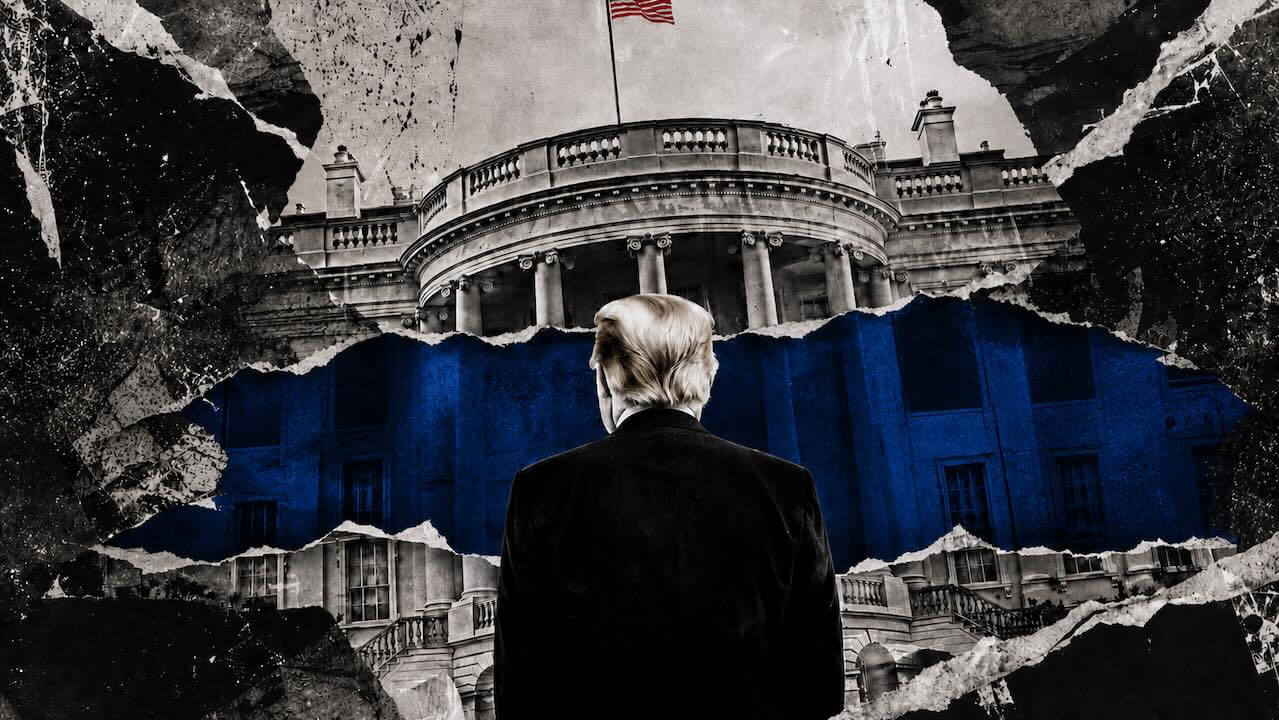
The White House is mounting a pushback against Senate Democrats following their rejection of the latest iteration of the CLARITY Act, a pivotal piece of legislation aimed at regulating the crypto market. Ethics standards have emerged as the primary friction point, stalling progress on a framework that could define the legal landscape for digital assets.
Despite President Donald Trump's recent move to accept new ethics limits, the legislative divide remains vast, highlighting the intense political struggle over crypto market legislation. This deadlock suggests that achieving a comprehensive regulatory consensus will be a long and volatile process, leaving the crypto industry in a state of regulatory limbo.
The White House has pushed back against Senate Democrats' rejection of the latest version of the CLARITY Act, with ethics remaining a major sticking point in negotiations. This clash occurs even after President Donald Trump's decision this week to accept new ethics limits, reflecting the significant gap between negotiators as lawmakers struggle to advance sweeping crypto market legislation.
The ongoing debate underscores the difficulty of balancing oversight with innovation, as the political tug-of-war threatens to delay critical regulatory clarity for the entire digital asset sector.
This is a summarized and adapted version by Artificial Intelligence. To read the complete original story, visit the official source.
Read Full Article at CryptoSlateSupport Jornal Bitcoin
Independent journalism, curated by AI, no clickbait. Keep the flame alive with any amount of BTC.
jonata@walletofsatoshi.comDaily Crypto Brief 📬
Subscribe to receive the curation of the most important Bitcoin and crypto news, summarized by AI. No spam.
Join more than 10,000 smart readers.
Related News
Goldman Sachs Breaks with Wall Street to Back the Clarity Act Crypto Rules
This endorsement comes as Senate Republicans advance the bill despite significant friction within the financial industry. The debate remains highly polarized, centered on ethical concerns and controversial stablecoin yield provisions that continue to split Wall Street's vision for crypto regulation.
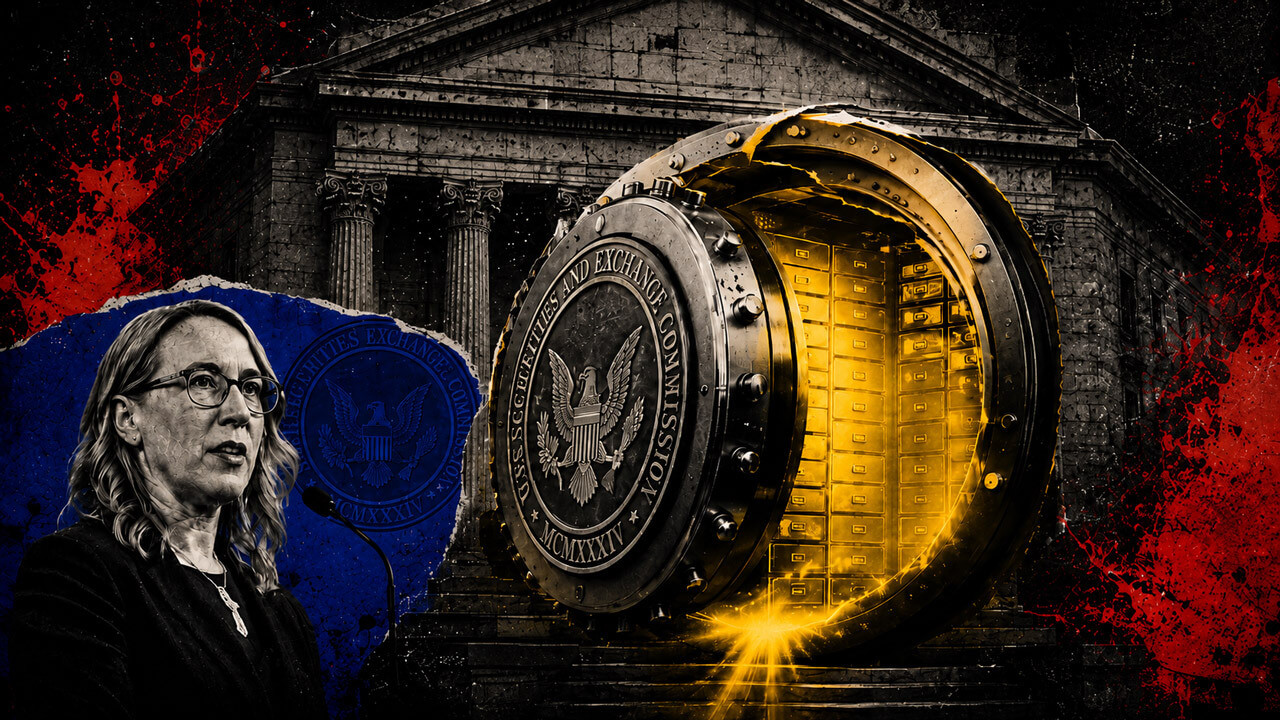
$131 Billion Crypto Vault Boom Challenges SEC's Regulatory Stance
SEC Commissioner Hester Peirce has warned that the regulatory fate of these vaults hinges on their specific structural design and the centralization of investment decisions. This development serves as a critical litmus test for the SEC's evolving relationship with the crypto industry and the future of decentralized yield strategies.

Global Expansion: Qubic Hits 173 Countries via Alchemy Pay Integration
By bridging the gap between traditional finance and the Qubic Protocol, this move is set to drive massive adoption, particularly in key markets like the United States. The integration ensures a seamless onboarding process, making QUBIC more accessible to retail investors worldwide through streamlined payment solutions.

Debt Clearance: Smarter Web Sells 178 Bitcoin to Repay $11.7M TOBAM Debt
This large-scale Bitcoin sale highlights the ongoing tension between holding digital assets and managing corporate liabilities. By repaying the TOBAM debt, Smarter Web aims to stabilize its financial position, though the move underscores the liquidity challenges faced by firms heavily exposed to crypto market fluctuations.
Ethics Alert: Democrats Claim CLARITY Act Leaves Loopholes for Trump to Profit from Crypto
This legislative friction highlights a deep partisan divide; while Democrats focus on potential conflicts of interest, Republicans contend that the bill introduces unprecedented federal restrictions. The outcome of this debate will be pivotal for the future of crypto regulation and government transparency.

Landmark Deal: US and Ukraine Sign Drone Pact, Putting Defense Tech Tokens on High Alert
As this geopolitical shift unfolds, defense tech tokens are watching closely, anticipating potential market volatility and new narratives. The intersection of military innovation and blockchain-based defense assets presents a unique landscape for investors tracking the next wave of utility-driven crypto trends.
