Goldman Sachs Breaks with Wall Street to Back the Clarity Act Crypto Rules
Goldman Sachs has signaled a major shift in institutional sentiment by endorsing the Clarity Act, a move that sets it apart from much of the traditional banking sector. CEO David Solomon's support provides a significant boost to the legislative push for a clearer crypto market structure.
This endorsement comes as Senate Republicans advance the bill despite significant friction within the financial industry. The debate remains highly polarized, centered on ethical concerns and controversial stablecoin yield provisions that continue to split Wall Street's vision for crypto regulation.
Goldman Sachs CEO David Solomon has endorsed the Clarity Act, breaking ranks with much of the banking industry as Senate Republicans push forward with the crypto market-structure bill. This strategic move highlights a growing divide in Wall Street; while some institutions remain wary, the push for legislative clarity gains momentum. However, the bill faces mounting opposition fueled by ethics concerns and specific provisions regarding stablecoin yields, creating a high-stakes battleground for the future of digital asset regulation.
This is a summarized and adapted version by Artificial Intelligence. To read the complete original story, visit the official source.
Read Full Article at Bitcoin MagazineSupport Jornal Bitcoin
Independent journalism, curated by AI, no clickbait. Keep the flame alive with any amount of BTC.
jonata@walletofsatoshi.comDaily Crypto Brief 📬
Subscribe to receive the curation of the most important Bitcoin and crypto news, summarized by AI. No spam.
Join more than 10,000 smart readers.
Related News
Wall Street Divided: Goldman Sachs CEO Backs US Crypto Law Amid Stablecoin Backlash
However, this endorsement highlights a growing rift within Wall Street, as many traditional banking institutions continue to voice intense criticism regarding proposed rules for remunerated stablecoins. The clash between embracing the Clarity Act and resisting stablecoin regulations underscores the ongoing struggle to define the role of blockchain technology within the global financial architecture.
$131 Billion Crypto Vault Boom Challenges SEC's Regulatory Stance
SEC Commissioner Hester Peirce has warned that the regulatory fate of these vaults hinges on their specific structural design and the centralization of investment decisions. This development serves as a critical litmus test for the SEC's evolving relationship with the crypto industry and the future of decentralized yield strategies.
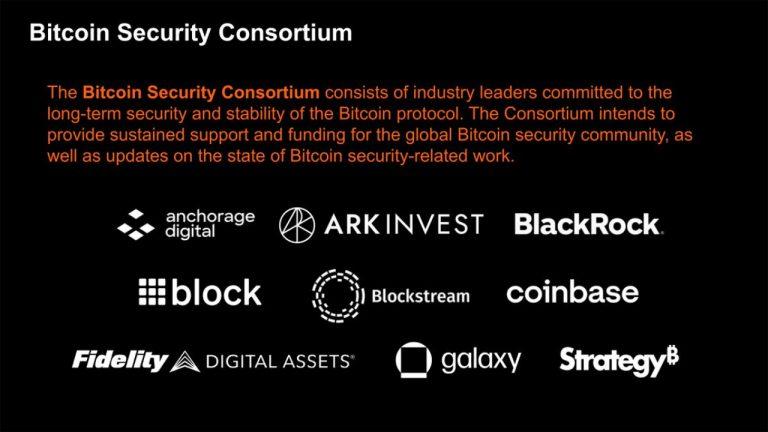
The $15M Shield: Wall Street and Crypto Titans Unite to Protect Bitcoin
Beyond immediate support, the coalition is prioritizing quantum-resistant security research to defend against future technological threats. By bridging the gap between Wall Street and crypto-native firms, these leaders are fortifying Bitcoin's long-term resilience and institutional viability.
Global Expansion: Qubic Hits 173 Countries via Alchemy Pay Integration
By bridging the gap between traditional finance and the Qubic Protocol, this move is set to drive massive adoption, particularly in key markets like the United States. The integration ensures a seamless onboarding process, making QUBIC more accessible to retail investors worldwide through streamlined payment solutions.
Debt Clearance: Smarter Web Sells 178 Bitcoin to Repay $11.7M TOBAM Debt
This large-scale Bitcoin sale highlights the ongoing tension between holding digital assets and managing corporate liabilities. By repaying the TOBAM debt, Smarter Web aims to stabilize its financial position, though the move underscores the liquidity challenges faced by firms heavily exposed to crypto market fluctuations.
Historical Shift: Equities Overtake Real Estate as Top US Wealth Driver for First Time Since WWII
This pivot underscores a significant evolution in how capital is accumulated and preserved in the modern era. As the dominance of real estate wanes in favor of equity markets, investors must recalibrate their understanding of long-term wealth drivers and the growing influence of the stock market on global financial stability.
