Energy War: BP and ConocoPhillips Move into Iraq to Neutralize Iran's Grip
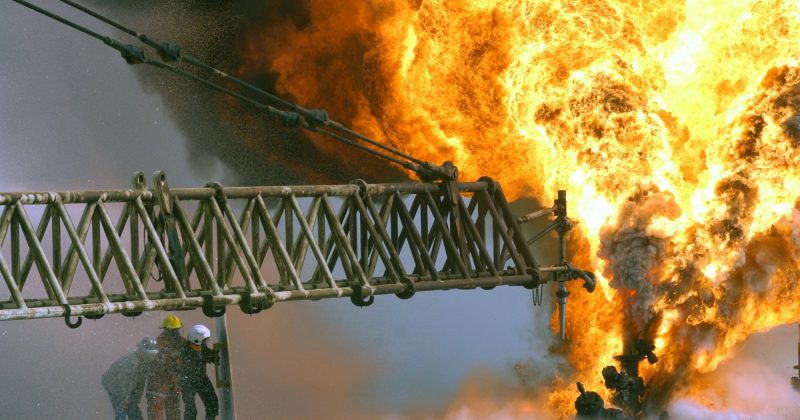
In a decisive move to reshape Middle Eastern energy dynamics, BP and ConocoPhillips are ramping up investments in Iraq. This strategic deployment of capital is specifically designed to counter Iran's expanding energy influence and secure Western interests in a critical resource hub.
The broader implications of this investment extend far beyond oil production, touching upon the volatile intersection of energy security and global diplomacy. As these corporations expand, the market remains hyper-focused on the potential for a U.S.-Iran nuclear deal, an event that could fundamentally shift the geopolitical landscape and energy pricing models.
Energy titans BP and ConocoPhillips are making significant investments in Iraq to curb Iran's energy influence, according to reports from CNBC. This strategic push aims to establish a stronger Western foothold in the region, directly challenging the energy dominance currently exerted by Tehran.
The move comes at a time of heightened geopolitical sensitivity. With the potential for a U.S.-Iran nuclear deal looming on the horizon, the competition for energy supremacy in Iraq serves as a critical battleground for influence that could impact global commodity markets and international stability.
This is a summarized and adapted version by Artificial Intelligence. To read the complete original story, visit the official source.
Read Full Article at Crypto BriefingSupport Jornal Bitcoin
Independent journalism, curated by AI, no clickbait. Keep the flame alive with any amount of BTC.
jonata@walletofsatoshi.comDaily Crypto Brief 📬
Subscribe to receive the curation of the most important Bitcoin and crypto news, summarized by AI. No spam.
Join more than 10,000 smart readers.
Related News

Elon Musk's Silent Power Move: Billion-Dollar Energy Firm Acquired to Fuel AI Ambitions
This move highlights the growing intersection between energy security and artificial intelligence development. As AI models demand unprecedented levels of electricity, Musk is proactively securing the energy infrastructure needed to prevent operational bottlenecks and maintain a dominant lead in the global AI race.
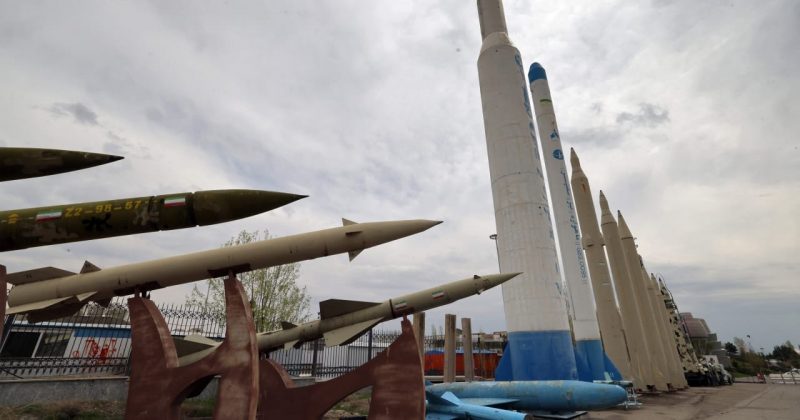
Geopolitical Crisis: Iran Fires Missiles at Gulf States Amid Escalating US Airstrikes
As the situation evolves, market sentiment is reacting to extreme long-term forecasts, including a 23.5% probability of a US invasion of Iran before 2027. For the crypto community, these escalating tensions underscore the critical role of digital assets as a hedge against sudden geopolitical shocks and systemic instability.

Geopolitical Shockwave: US Strikes in Iran Trigger Bitcoin Sell-off and Massive Liquidations
As the market reacts to the conflict, Bitcoin has dropped over 2%, leading to a staggering $350M in liquidations. Adding to the complexity, the US Treasury has frozen $344M in Iranian crypto assets, marking a significant intersection between military conflict and global financial warfare.

Geopolitical Flashpoint: US-Iran Strikes in Strait of Hormuz Send Markets on Edge
Amidst the kinetic conflict, a strategic layer emerges regarding a potential US-Iran deal involving reconstruction funding slated for 2026, currently sitting at a 26.5% approval threshold. The interplay between immediate military strikes and these long-term diplomatic frameworks will dictate the trajectory of global market volatility.

Global Shock: China's Oil Imports Plunge to Lowest Levels Since 2016 Amid Iran Conflict
As crude oil prices eye new all-time highs by September 30, with a projected 5.1% surge, the market is bracing for extreme volatility. Investors are closely watching for signs of a partial recovery in Chinese demand, as the interplay between Middle Eastern geopolitics and major economic powers continues to dictate the rhythm of global commodity markets.
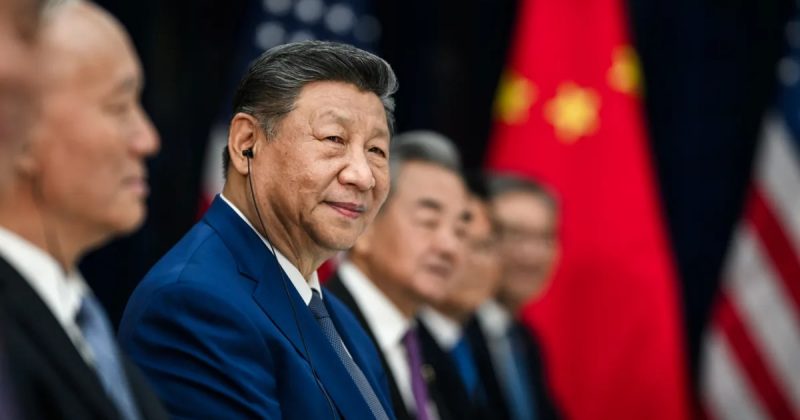
Xi Jinping Challenges Tech Hegemony: China Celebrates Low-Cost AI Breakthroughs at Shanghai Summit
By prioritizing affordable AI solutions, China is positioning itself to lead the next wave of digital transformation, potentially bypassing traditional hardware bottlenecks. This strategic pivot toward cost-effective intelligence could fundamentally disrupt the current global tech landscape and shift the balance of power in the AI arms race.
