Red Sea Defiance: Tankers Brave Houthi Blockade Amid Escalating Crisis
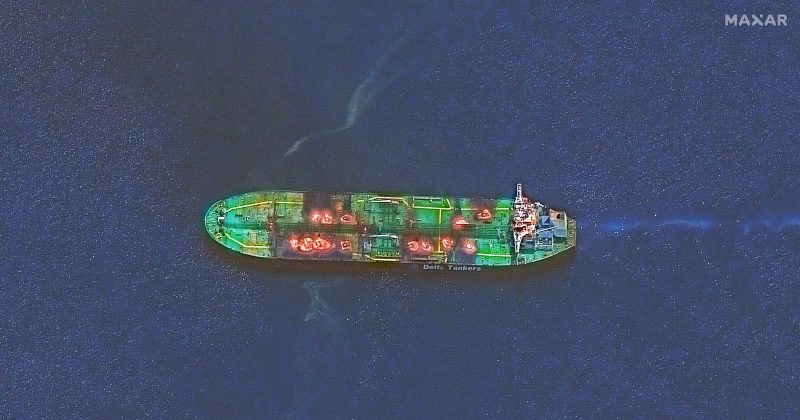
Oil tankers are continuing to navigate the Red Sea, directly defying the blockade established by Houthi forces amidst an ongoing geopolitical crisis. This persistent movement highlights the critical tension between maritime security and the necessity of maintaining global energy and trade corridors.
The stakes are rising as reports suggest a potential closure of the Bab el-Mandeb Strait by September 30. Such a disruption would significantly impact global supply chains, potentially driving market volatility and reshaping international shipping routes in response to the heightened regional instability.
Tankers continue to traverse the Red Sea despite the ongoing Houthi blockade, navigating through a persistent and dangerous crisis. The situation remains volatile, with significant concerns regarding the potential closure of the Bab el-Mandeb Strait by September 30, which could severely disrupt global maritime logistics.
This is a summarized and adapted version by Artificial Intelligence. To read the complete original story, visit the official source.
Read Full Article at Crypto BriefingSupport Jornal Bitcoin
Independent journalism, curated by AI, no clickbait. Keep the flame alive with any amount of BTC.
jonata@walletofsatoshi.comDaily Crypto Brief 📬
Subscribe to receive the curation of the most important Bitcoin and crypto news, summarized by AI. No spam.
Join more than 10,000 smart readers.
Related News
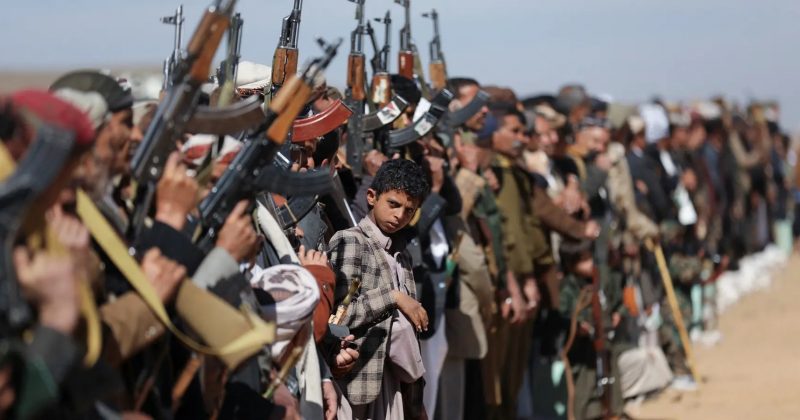
Yemen Conflict Escalates: Airstrikes Target Houthi Sites in Marib and Al-Jawf
As military actions against Israel show signs of persistence through mid-2026, the broader implications for global security are profound. Market participants should monitor how this escalation in the Yemen conflict influences liquidity and volatility in high-risk asset classes.
Middle East Escalation: Saudi Military Strikes Houthi Targets Following Red Sea Shipping Attacks
This escalation carries profound implications for global trade routes and market volatility. With predictive models suggesting a 6.5% chance of continued Houthi military action against Israel through July 2026, the intersection of Middle East geopolitics and global economic security remains a critical focal point for analysts.
Middle East Escalation: Israeli Forces Launch Widespread Raids in Jenin, Detaining 50 Palestinians
As the situation evolves, the broader implications of Middle East instability remain a primary driver of market sentiment. With specific projections suggesting a 6.5% chance of Houthi military action against Israel by July 2026, the intersection of geopolitical conflict and global economic risk remains a high-priority watchpoint for institutional observers.
Geopolitical Alert: Greek Defense Systems Intercept Yemen Missiles Targeting Saudi Refineries
As Houthi military actions continue to pose a significant risk, the potential for further strikes through 2026 keeps markets on edge. The intersection of Middle East instability and energy security is expected to drive significant volatility in global commodity and hedge asset markets.
Hormuz Strait Crisis: Iran's Closure Slashes Critical Oil Trade with China
While forecasts suggest a partial normalization of traffic by August 31 with a 12.5% recovery rate, the immediate disruption remains a critical variable. The volatility stemming from this maritime blockade is expected to ripple through commodity prices, potentially driving investors toward alternative stores of value in a high-uncertainty environment.
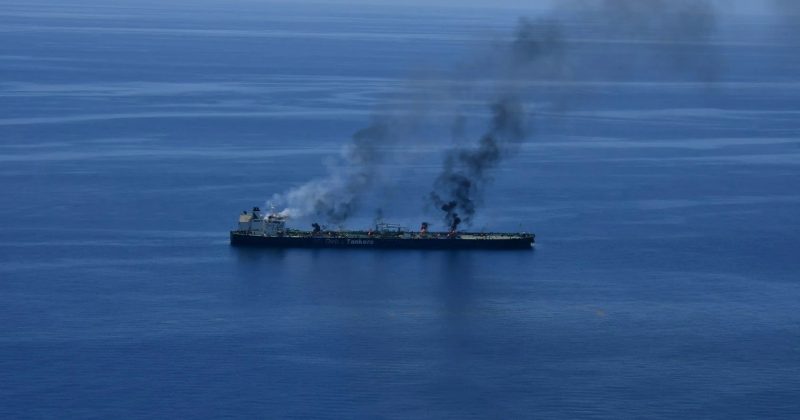
Red Sea Crisis: Iran-Aligned Groups Target Shipping, Fueling US-Iran Conflict
Although traffic through the Strait of Hormuz is projected to return to normal levels by August 31, the ongoing volatility in the Red Sea remains a critical variable. For the crypto market, these geopolitical shifts often trigger sudden movements in liquidity and investor sentiment as the world watches the escalating conflict.
