Geopolitical Alert: Greek Defense Systems Intercept Yemen Missiles Targeting Saudi Refineries

Global security tensions have spiked following reports that Greek defense systems successfully intercepted missiles launched from Yemen aimed at critical Saudi Arabian refineries. This escalation highlights the growing reach of regional conflicts and their direct threat to global energy infrastructure.
As Houthi military actions continue to pose a significant risk, the potential for further strikes through 2026 keeps markets on edge. The intersection of Middle East instability and energy security is expected to drive significant volatility in global commodity and hedge asset markets.
In a critical development for international security, Greek defense systems were deployed to intercept missiles launched from Yemen targeting strategic refineries in Saudi Arabia. The interception underscores the increasing danger posed by long-range missile strikes against vital oil and gas facilities.
With Houthi military activity projected to persist, including potential escalations through July 2026, the threat to regional stability remains high. This ongoing conflict in the Middle East continues to threaten global energy supplies and demands close monitoring by international markets.
This is a summarized and adapted version by Artificial Intelligence. To read the complete original story, visit the official source.
Read Full Article at Crypto BriefingSupport Jornal Bitcoin
Independent journalism, curated by AI, no clickbait. Keep the flame alive with any amount of BTC.
jonata@walletofsatoshi.comDaily Crypto Brief 📬
Subscribe to receive the curation of the most important Bitcoin and crypto news, summarized by AI. No spam.
Join more than 10,000 smart readers.
Related News
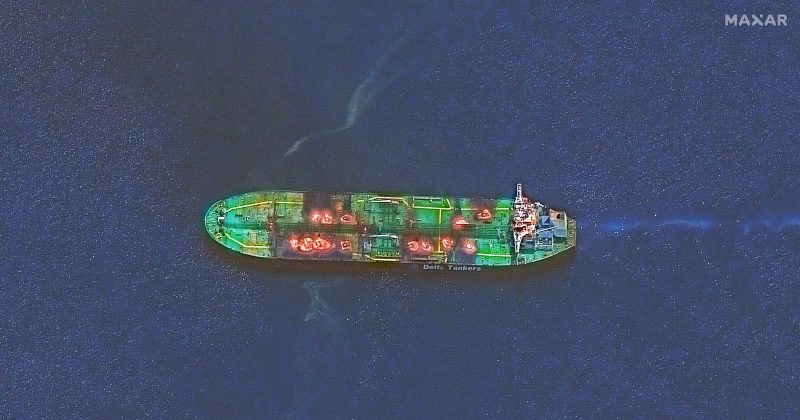
Red Sea Defiance: Tankers Brave Houthi Blockade Amid Escalating Crisis
The stakes are rising as reports suggest a potential closure of the Bab el-Mandeb Strait by September 30. Such a disruption would significantly impact global supply chains, potentially driving market volatility and reshaping international shipping routes in response to the heightened regional instability.

Middle East Escalation: Israeli Forces Launch Widespread Raids in Jenin, Detaining 50 Palestinians
As the situation evolves, the broader implications of Middle East instability remain a primary driver of market sentiment. With specific projections suggesting a 6.5% chance of Houthi military action against Israel by July 2026, the intersection of geopolitical conflict and global economic risk remains a high-priority watchpoint for institutional observers.

Russian Artillery Strike in Kherson Claims Life, Leaves Two Injured
Beyond the immediate casualties, strategic forecasts are analyzing potential long-term shifts, including a 15% probability that Russian forces could reach Sloviansk by December 31, 2026. These developments continue to shape the geopolitical landscape and the broader implications of the conflict.

Geopolitical Shockwave: Iranian Drones Obliterate $2B US Radar System in the Gulf
As the threat of a full airspace closure looms by August 31, the global community braces for significant disruption. The destruction of such high-value defense infrastructure, combined with potential flight restrictions, creates a high-risk environment for global trade and market stability.

Red Sea Crisis: Iran-Aligned Groups Target Shipping, Fueling US-Iran Conflict
Although traffic through the Strait of Hormuz is projected to return to normal levels by August 31, the ongoing volatility in the Red Sea remains a critical variable. For the crypto market, these geopolitical shifts often trigger sudden movements in liquidity and investor sentiment as the world watches the escalating conflict.

Geopolitical Tension: Traders Predict 26% Chance of US Ban on Chinese AI Models
This shift in market sentiment underscores the growing intersection of national security and AI supremacy. If these restrictions are enacted, they could fundamentally disrupt the global AI landscape, forcing a decoupling of technological ecosystems and altering how developers interact with cutting-edge large language models.
