Red Sea Crisis: Iran-Aligned Groups Target Shipping, Fueling US-Iran Conflict
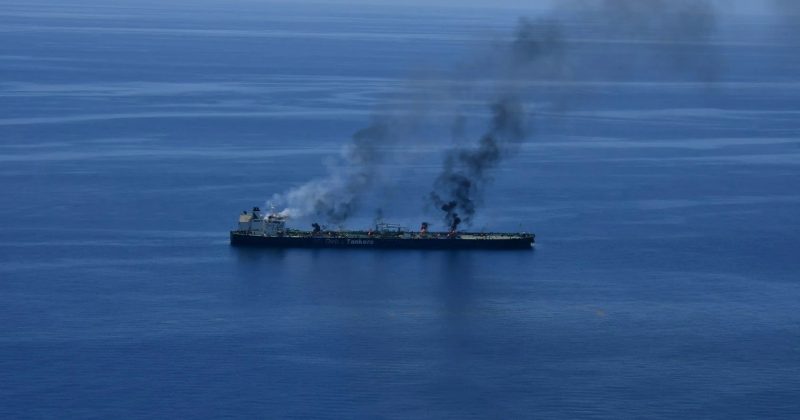
Iran-aligned groups have escalated targeted attacks on Red Sea shipping, a move that is rapidly intensifying geopolitical tensions between the United States and Iran. This disruption to critical maritime corridors serves as a major catalyst for global market uncertainty and heightened risk profiles.
Although traffic through the Strait of Hormuz is projected to return to normal levels by August 31, the ongoing volatility in the Red Sea remains a critical variable. For the crypto market, these geopolitical shifts often trigger sudden movements in liquidity and investor sentiment as the world watches the escalating conflict.
This is a summarized and adapted version by Artificial Intelligence. To read the complete original story, visit the official source.
Read Full Article at Crypto BriefingSupport Jornal Bitcoin
Independent journalism, curated by AI, no clickbait. Keep the flame alive with any amount of BTC.
jonata@walletofsatoshi.comDaily Crypto Brief 📬
Subscribe to receive the curation of the most important Bitcoin and crypto news, summarized by AI. No spam.
Join more than 10,000 smart readers.
Related News
Geopolitical Alert: Trump Signals Intensified Strikes on Iran Amid Gulf Attacks
Market volatility may be further driven by discussions surrounding reconstruction funding in a potential US-Iran deal by 2026, which currently holds a 29.5% probability of realization. Investors are closely watching how this interplay of military tension and diplomatic maneuvering will influence global liquidity and capital flows into the crypto space.

Geopolitical Tension: Traders Predict 26% Chance of US Ban on Chinese AI Models
This shift in market sentiment underscores the growing intersection of national security and AI supremacy. If these restrictions are enacted, they could fundamentally disrupt the global AI landscape, forcing a decoupling of technological ecosystems and altering how developers interact with cutting-edge large language models.

CLARITY Act Delay: The War Over Crypto Market Structure is Far From Over
As the battle lines are drawn between innovators and regulators, the consequences of this delay could reshape the landscape for institutional adoption and decentralized finance. The ongoing struggle over asset classification ensures that market participants must remain vigilant against shifting legal goalposts and regulatory volatility.

Middle East Alert: Bahrain Intercepts Iranian Aerial Attacks Amid Rising Tensions
The Iranian military action, reported on July 30, underscores a dangerous shift in regional dynamics. As conflict intensifies, the ripple effects are expected to impact global energy security and drive volatility across the crypto market as investors react to sudden geopolitical shifts.

LPG Tanker Attack in Iranian Waters: Indian Crew Confirmed Safe Amid Rising Tensions
This incident underscores the volatile nature of current geopolitical corridors and their direct impact on energy logistics. Market analysts note that traffic normalization is currently projected at a mere 10.5% by August 31, suggesting that the ripple effects of such attacks will continue to disrupt global supply chains for the foreseeable future.

US Targets Iranian Financier Babak Zanjani’s Network Amid Escalating Trump Threats
As these sanctions tighten, the global community looks toward a potential deadline for a final nuclear deal, projected for August 13, 2026. The intersection of these sanctions and the looming nuclear negotiations creates a high-stakes environment that could redefine international relations and market stability.
