Bitcoin 'Volmageddon' Brewing? Key Indicator Signals Massive Volatility Ahead
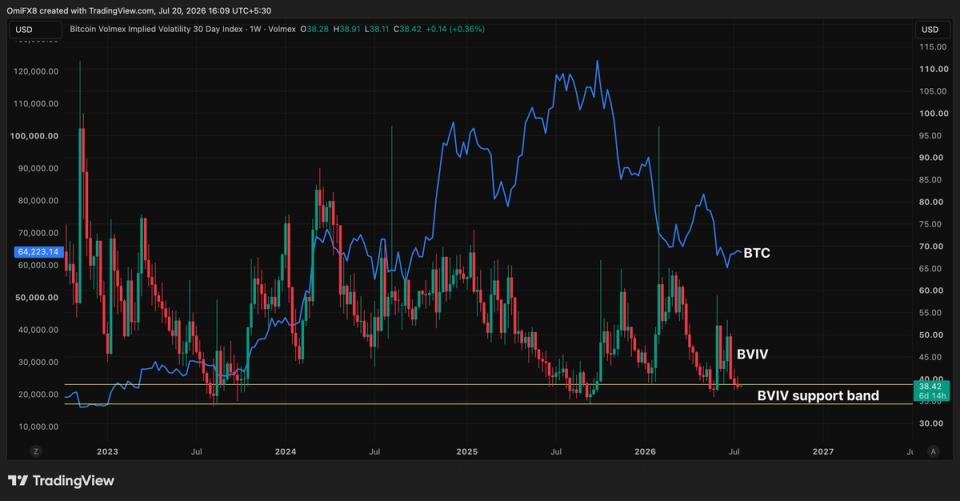
A critical warning signal has emerged in the crypto markets, suggesting that a Bitcoin 'Volmageddon' could be brewing on the horizon. Expert analysis points toward a surge in implied volatility that often precedes massive liquidations and sudden price swings.
This potential market upheaval could reshape short-term price action and force a massive deleveraging across major exchanges. Monitoring these volatility indicators is vital for traders looking to survive the upcoming turbulence in the digital asset space.
A Bitcoin 'Volmageddon' may be brewing, according to a key indicator suggesting imminent market instability. The term refers to a period of extreme volatility where rapid price movements trigger a chain reaction of liquidations, often catching leveraged traders off guard.
As the market prepares for potential shifts, analysts are closely watching volatility metrics. This signal serves as a crucial heads-up for those navigating the high-stakes environment of cryptocurrency trading, where sudden shifts can erase positions in seconds.
This is a summarized and adapted version by Artificial Intelligence. To read the complete original story, visit the official source.
Read Full Article at CoinDeskSupport Jornal Bitcoin
Independent journalism, curated by AI, no clickbait. Keep the flame alive with any amount of BTC.
jonata@walletofsatoshi.comDaily Crypto Brief 📬
Subscribe to receive the curation of the most important Bitcoin and crypto news, summarized by AI. No spam.
Join more than 10,000 smart readers.
Related News
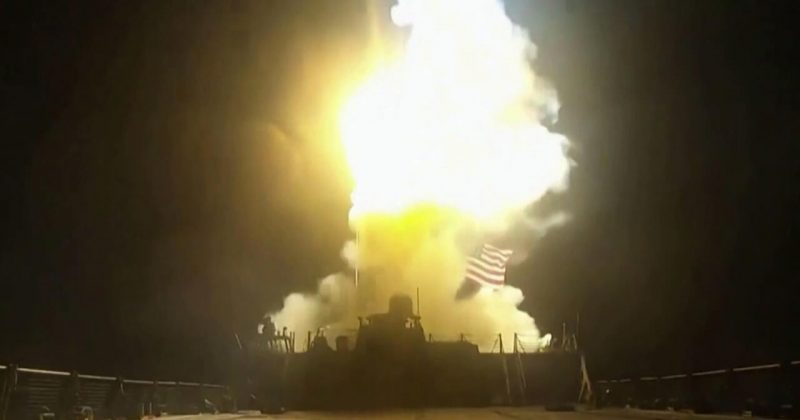
Geopolitical Crisis: US Military Completes 10th Consecutive Night of Airstrikes on Iran
With reports suggesting a potential full airspace closure by August 31, the implications for global trade and energy security are profound. As these airstrikes continue, the market is bracing for heightened volatility, as investors scramble to hedge against the unpredictable consequences of an intensifying conflict in the Middle East.
MicroStrategy's Bitcoin Reserve Secures 31 Years of Dividend Coverage
This development pivots investor attention from simple Bitcoin purchases to the company's robust ability to sustain preferred-share obligations. As the cash buffer reaches $3.2 billion, the Bitcoin reserve is emerging as the definitive metric for Strategy Inc.'s financial strength and its unique approach to corporate treasury management.

Polymarket Odds Crash as Iran's Hormuz Attacks Fuel Geopolitical Uncertainty
The sudden drop in odds underscores the heightened risk premium being applied to global shipping routes. As prediction markets react to these military escalations, the volatility highlights how geopolitical instability directly influences decentralized forecasting platforms and global energy security concerns.

Hormuz Crisis: Trump and Netanyahu Weigh Ceasefire vs. Military Strike
Sentiment analysis shows a strong leaning toward diplomatic stability, with an 81% probability that a ceasefire could extend through July 25. The tension between Trump and Netanyahu's strategic choices will likely dictate the next phase of geopolitical volatility and its subsequent ripple effects across global financial markets.

Robert Kiyosaki's Survival Plan: What He'd Do With Only $10,000
This strategy emphasizes the critical role of self-investment and skill acquisition as the primary drivers of financial recovery. By prioritizing high-value knowledge over immediate market exposure, Kiyosaki suggests that mastering the mechanics of cash flow is far more vital than chasing the volatility of the crypto market or the stability of real estate during a total reset.
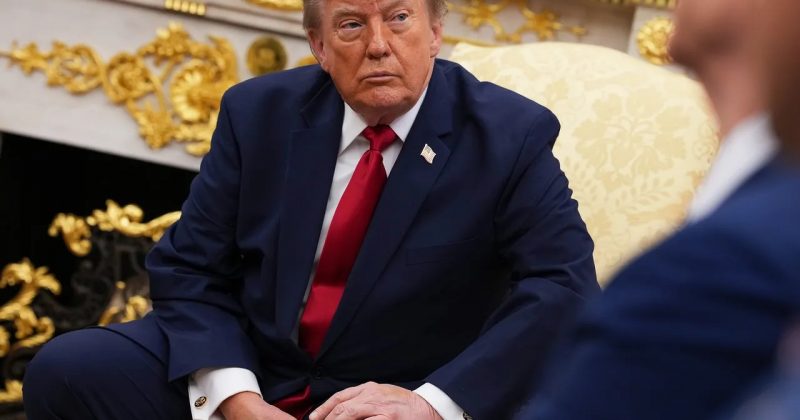
Trade War Escalation: Trump Administration Targets 60 Economies with Permanent Tariffs Over Forced Labor
This move toward durable tariffs is expected to disrupt global supply chains and trigger significant shifts in international trade flows. As these permanent measures take hold, the resulting market volatility and geopolitical friction will likely create a complex environment for global investors and macro-economic stability.
