“Bitcoin Is Over”: Former Google and Meta Engineer Warns of Quantum and Miner 'Time Bombs'

A massive warning has sent ripples through the crypto space as Patrick Shyu, the former Google and Meta engineer known as Techlead, claims Bitcoin faces two undefused existential threats. Shyu argues that the rapid advancement of quantum computing and the decaying incentives for Bitcoin miners represent systemic risks that could jeopardize the entire network.
These 'time bombs' highlight a critical tension between technological progress and blockchain security. As quantum computing threatens to break current cryptographic standards, the shifting economic landscape for miners poses a direct challenge to network stability, forcing the crypto community to confront the long-term viability of Bitcoin's current architecture.
According to Shyu, these dual pressures act as 'time bombs' for the network. While the industry focuses on adoption, the underlying security provided by miners and the cryptographic foundations of Bitcoin may be more vulnerable to these technological and economic shifts than previously acknowledged.
This is a summarized and adapted version by Artificial Intelligence. To read the complete original story, visit the official source.
Read Full Article at Bitcoin.comSupport Jornal Bitcoin
Independent journalism, curated by AI, no clickbait. Keep the flame alive with any amount of BTC.
jonata@walletofsatoshi.comDaily Crypto Brief 📬
Subscribe to receive the curation of the most important Bitcoin and crypto news, summarized by AI. No spam.
Join more than 10,000 smart readers.
Related News

Geopolitical Chaos: US-Iran Ceasefire Ends as Bitcoin Slides Toward $60K
The fallout from this breakdown in diplomacy is creating significant volatility across both the crypto and energy sectors. As investors react to the heightened risk of conflict, the market is witnessing a flight to safety, leaving digital assets highly vulnerable to sudden macroeconomic shocks.
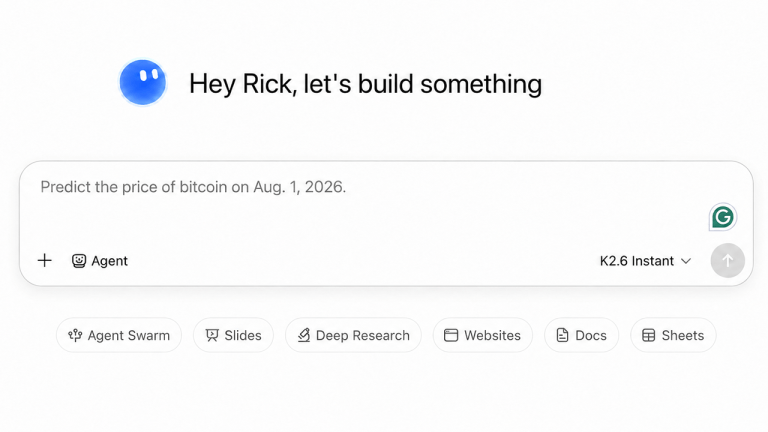
AI Showdown: 7 Advanced Models, Including ChatGPT 5.6 Sol, Predict Bitcoin's Price for August 1
As the market attempts to recover from a significant downturn, these AI predictions provide a data-driven perspective on Bitcoin's potential trajectory. With BTC still down over 40% from recent highs, the insights from these seven models offer a glimpse into how machine learning interprets current market volatility.

Why Bitcoin is Stalling: Analyst Identifies 3 Critical Missing Pieces
Beyond mere price action, the impact of these missing pieces involves broader market liquidity and structural shifts. Until these three variables align, Bitcoin faces significant headwinds, making the breach of key psychological resistance levels the most watched event for institutional investors and retail traders alike.

Battle for Sovereignty: Bitcoin Policy Institute Challenges NYC Self-Custody Ruling
Beyond the local courtroom, the consequences of this case could reshape Bitcoin ownership laws nationwide. A ruling against self-custody would trigger massive regulatory shifts, potentially undermining the core tenets of decentralization and the legal security of crypto holders across the United States.

Bitcoin in the Strait of Hormuz? Qatar Joins Iran-Oman Talks with Crypto Transit Fee Proposal
While these discussions aim to stabilize global oil markets, the integration of Bitcoin could trigger a ripple effect across the broader crypto markets. A shift in how regional powers demand and utilize digital assets may reduce specific liquidity patterns, while simultaneously inviting intense regulatory scrutiny from global financial authorities regarding the use of decentralized assets in strategic trade routes.
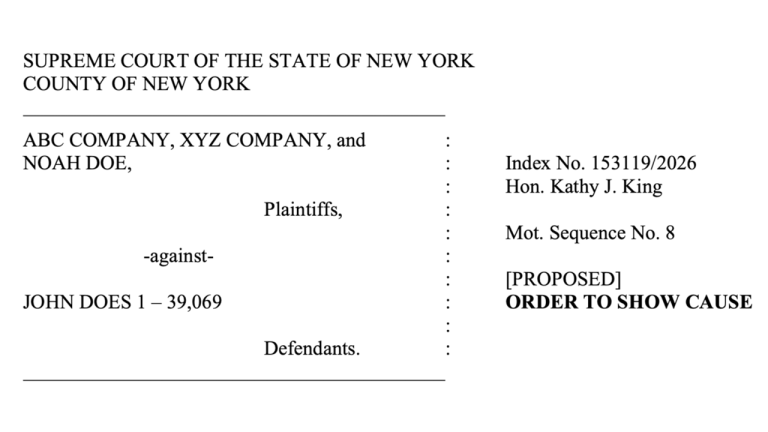
The $293B Battle: Bitcoin Policy Institute Intervenes in Massive Dormant Wallet Lawsuit
As the court date for the 'Noah Doe' case approaches, the stakes for bitcoin ownership have never been higher. This legal clash between plaintiffs and institutional defenders will likely set a monumental precedent regarding the rights to unclaimed bitcoin addresses and the broader implications of asset seizure in the decentralized finance era.
