Geopolitical Chaos: US-Iran Ceasefire Ends as Bitcoin Slides Toward $60K
Global geopolitical tensions have surged following the announcement that the US-Iran ceasefire has officially ended. This sudden shift has injected massive uncertainty into global markets, causing a sharp downward movement in Bitcoin as it slides toward the critical $60,000 support level.
The fallout from this breakdown in diplomacy is creating significant volatility across both the crypto and energy sectors. As investors react to the heightened risk of conflict, the market is witnessing a flight to safety, leaving digital assets highly vulnerable to sudden macroeconomic shocks.
The global geopolitical landscape has been thrown into turmoil following declarations that the ceasefire between the United States and Iran has concluded. This development has heightened international tensions, sending ripples of instability through global financial markets.
In the immediate aftermath, Bitcoin has faced significant selling pressure, sliding toward the $60,000 mark. The end of the ceasefire is driving increased uncertainty in the crypto and energy sectors, as market participants brace for the potential impact of broader regional instability on global liquidity.
This is a summarized and adapted version by Artificial Intelligence. To read the complete original story, visit the official source.
Read Full Article at Crypto BriefingSupport Jornal Bitcoin
Independent journalism, curated by AI, no clickbait. Keep the flame alive with any amount of BTC.
jonata@walletofsatoshi.comDaily Crypto Brief 📬
Subscribe to receive the curation of the most important Bitcoin and crypto news, summarized by AI. No spam.
Join more than 10,000 smart readers.
Related News
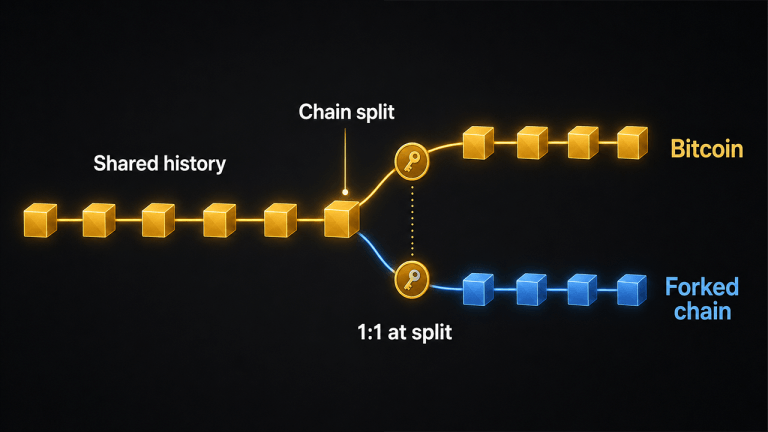
Bitcoin Chain Split Alert: Why Every BTC Holder Is Getting a New 1:1 Asset
This potential Bitcoin chain split represents a massive opportunity and risk for the community, as holders may receive a new 1:1 asset. Understanding the distinction between the planned eCash hard fork and the accidental risks posed by BIP-110 is essential for anyone managing BTC exposure in the coming years.
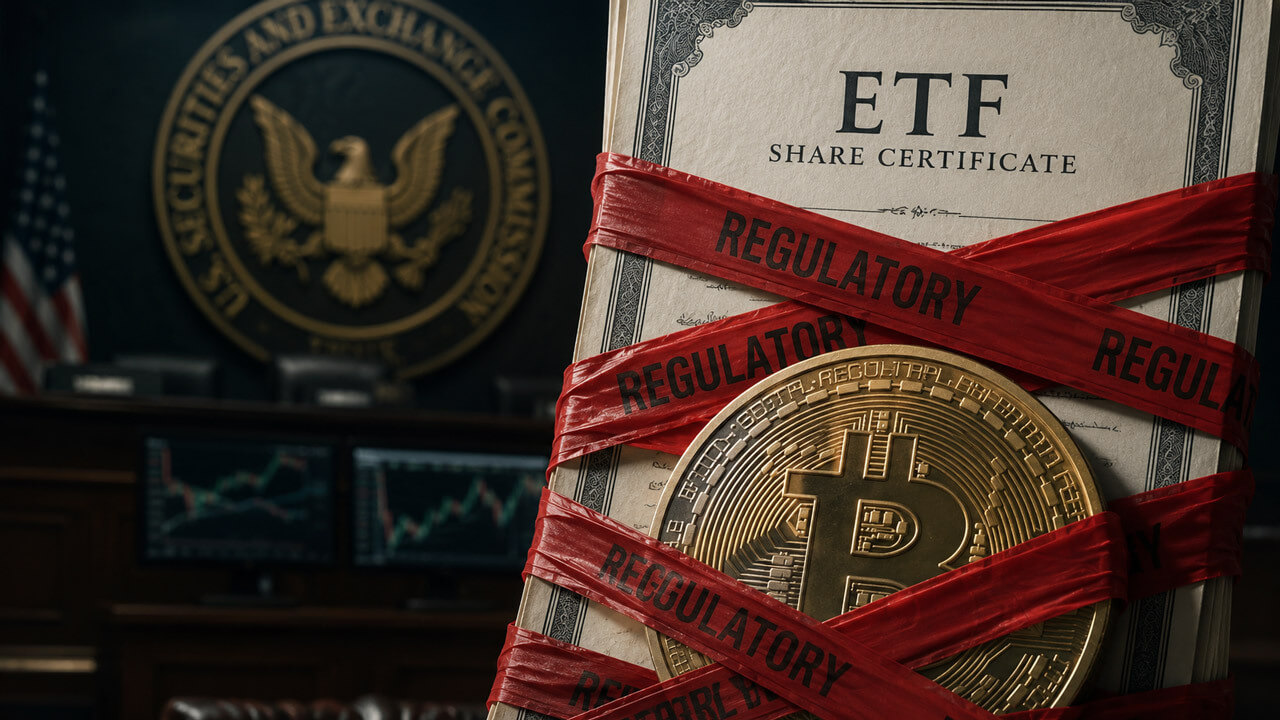
Crypto Won the ETF War, but Now the SEC is Worried It Went Too Far
By turning complex crypto exposure into a user-friendly retail product, ETFs have allowed investors to trade digital assets alongside blue-chip stocks in a single account. While this convenience has revolutionized market access, it has also triggered concerns within regulatory bodies regarding the systemic implications of such seamless integration between traditional finance and the crypto market.
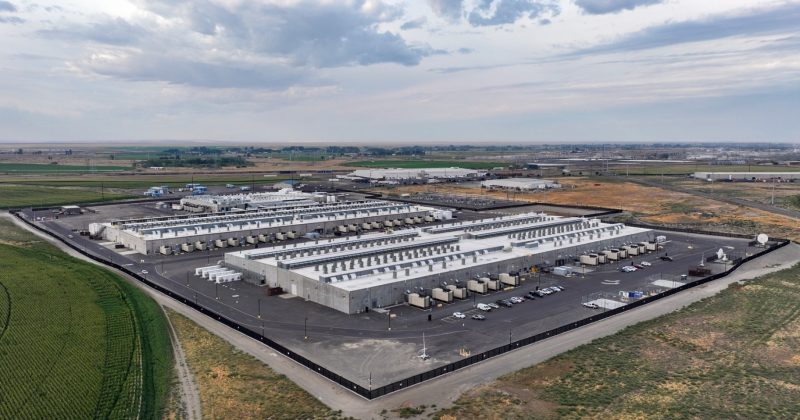
Trump's Energy Mandate: Why AI Giants Must Secure Independent Power Sources
The move toward self-sustained energy could fundamentally reshape global power dynamics and energy markets. Furthermore, this shift is expected to influence the future of crypto mining and intensify the high-stakes technological competition between the United States and China.
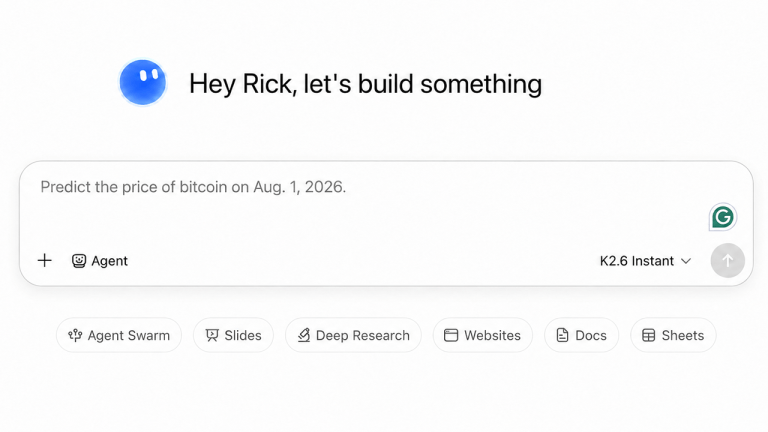
AI Showdown: 7 Advanced Models, Including ChatGPT 5.6 Sol, Predict Bitcoin's Price for August 1
As the market attempts to recover from a significant downturn, these AI predictions provide a data-driven perspective on Bitcoin's potential trajectory. With BTC still down over 40% from recent highs, the insights from these seven models offer a glimpse into how machine learning interprets current market volatility.

Why Bitcoin is Stalling: Analyst Identifies 3 Critical Missing Pieces
Beyond mere price action, the impact of these missing pieces involves broader market liquidity and structural shifts. Until these three variables align, Bitcoin faces significant headwinds, making the breach of key psychological resistance levels the most watched event for institutional investors and retail traders alike.
Battle for Sovereignty: Bitcoin Policy Institute Challenges NYC Self-Custody Ruling
Beyond the local courtroom, the consequences of this case could reshape Bitcoin ownership laws nationwide. A ruling against self-custody would trigger massive regulatory shifts, potentially undermining the core tenets of decentralization and the legal security of crypto holders across the United States.
