Battle for Sovereignty: Bitcoin Policy Institute Challenges NYC Self-Custody Ruling

The Bitcoin Policy Institute has officially voiced its opposition to a landmark NYC legal case regarding the status of self-custodied Bitcoin. This legal confrontation serves as a vital intelligence brief for the industry, as it directly challenges the fundamental principles of digital property rights and individual asset control.
Beyond the local courtroom, the consequences of this case could reshape Bitcoin ownership laws nationwide. A ruling against self-custody would trigger massive regulatory shifts, potentially undermining the core tenets of decentralization and the legal security of crypto holders across the United States.
Legal analysts suggest that the implications are far-reaching, with the potential to alter Bitcoin ownership laws on a national scale. The case is being watched closely by the industry, as it represents a pivotal moment for the legal recognition of decentralized asset management.
This is a summarized and adapted version by Artificial Intelligence. To read the complete original story, visit the official source.
Read Full Article at Crypto BriefingSupport Jornal Bitcoin
Independent journalism, curated by AI, no clickbait. Keep the flame alive with any amount of BTC.
jonata@walletofsatoshi.comDaily Crypto Brief 📬
Subscribe to receive the curation of the most important Bitcoin and crypto news, summarized by AI. No spam.
Join more than 10,000 smart readers.
Related News
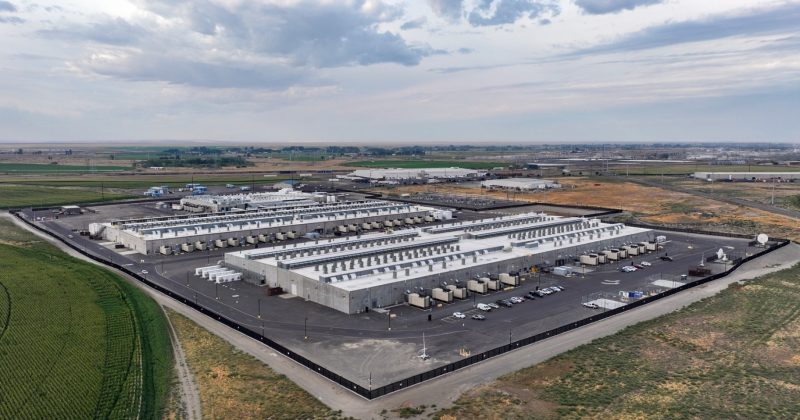
Trump's Energy Mandate: Why AI Giants Must Secure Independent Power Sources
The move toward self-sustained energy could fundamentally reshape global power dynamics and energy markets. Furthermore, this shift is expected to influence the future of crypto mining and intensify the high-stakes technological competition between the United States and China.
Geopolitical Chaos: US-Iran Ceasefire Ends as Bitcoin Slides Toward $60K
The fallout from this breakdown in diplomacy is creating significant volatility across both the crypto and energy sectors. As investors react to the heightened risk of conflict, the market is witnessing a flight to safety, leaving digital assets highly vulnerable to sudden macroeconomic shocks.

AI Showdown: 7 Advanced Models, Including ChatGPT 5.6 Sol, Predict Bitcoin's Price for August 1
As the market attempts to recover from a significant downturn, these AI predictions provide a data-driven perspective on Bitcoin's potential trajectory. With BTC still down over 40% from recent highs, the insights from these seven models offer a glimpse into how machine learning interprets current market volatility.

Why Bitcoin is Stalling: Analyst Identifies 3 Critical Missing Pieces
Beyond mere price action, the impact of these missing pieces involves broader market liquidity and structural shifts. Until these three variables align, Bitcoin faces significant headwinds, making the breach of key psychological resistance levels the most watched event for institutional investors and retail traders alike.

Bitcoin in the Strait of Hormuz? Qatar Joins Iran-Oman Talks with Crypto Transit Fee Proposal
While these discussions aim to stabilize global oil markets, the integration of Bitcoin could trigger a ripple effect across the broader crypto markets. A shift in how regional powers demand and utilize digital assets may reduce specific liquidity patterns, while simultaneously inviting intense regulatory scrutiny from global financial authorities regarding the use of decentralized assets in strategic trade routes.

Trump’s Crypto Disclosure: A Massive Institutional Risk Markets Are Already Pricing In
This isn't just about one politician; it's about a structural shift where crypto can transform political access and branded token symbolism into market value almost instantly. As regulatory attitudes become intertwined with personal wealth, the institutional implications for market stability and crypto governance are profound.
