Bitcoin Sinks Below $62.5K as US-Iran Conflict Rattles Global Markets

Bitcoin (BTC) faced a sharp rejection at local highs, slipping below the critical $62,500 threshold during the Wall Street opening. This downward momentum is closely tied to the broader market sell-off, as Bitcoin continues to track the downward pressure seen in US stocks.
The escalating geopolitical tensions between the US and Iran have injected fresh volatility into the financial landscape, driving a risk-off sentiment. As war fears intensify, the correlation between Bitcoin and traditional equity markets highlights how macroeconomic instability and geopolitical conflicts can trigger rapid liquidations in the crypto space.
Bitcoin (BTC) dipped below the $62,500 mark at Friday’s Wall Street open, following a key rejection at recent local highs. The cryptocurrency reversed its upward momentum, moving in tandem with a decline in US stocks as market participants reacted to worsening geopolitical conditions.
The primary driver behind this price action is the heightened tension between the United States and Iran. The threat of increased conflict has placed significant pressure on global markets, causing a ripple effect that has impacted both traditional stock indices and the cryptocurrency market, reinforcing the asset's sensitivity to global political instability.
This is a summarized and adapted version by Artificial Intelligence. To read the complete original story, visit the official source.
Read Full Article at CoinTelegraphSupport Jornal Bitcoin
Independent journalism, curated by AI, no clickbait. Keep the flame alive with any amount of BTC.
jonata@walletofsatoshi.comDaily Crypto Brief 📬
Subscribe to receive the curation of the most important Bitcoin and crypto news, summarized by AI. No spam.
Join more than 10,000 smart readers.
Related News
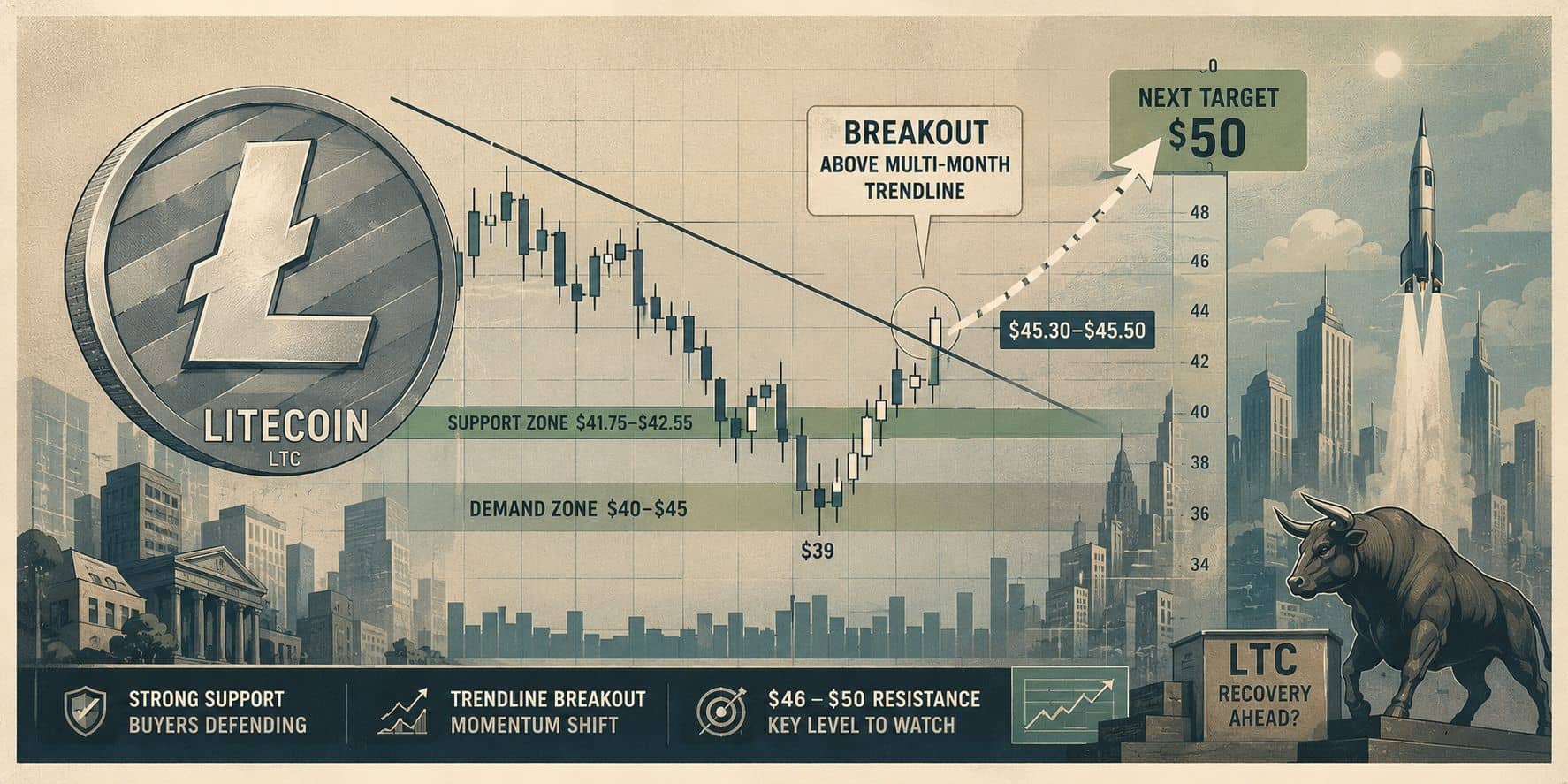
Litecoin (LTC) Breaks Multi-Month Trendline: Is a $50 Rally Imminent?
Traders are now closely monitoring the critical resistance zone between $46 and $50. If LTC maintains its momentum above these levels, the $50 target will move back into focus, potentially marking a major turning point for the cryptocurrency's price action.
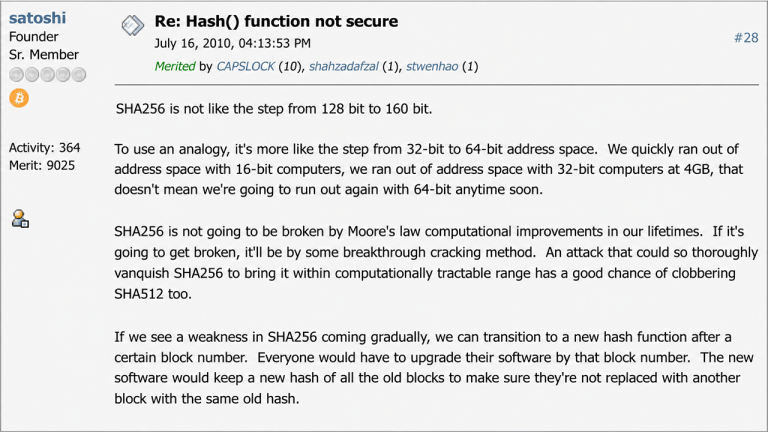
Satoshi’s Prophecy: How a 16-Year-Old Hash Defense Shields Bitcoin from Quantum Threats
This historical context proves that the Bitcoin protocol was engineered with foresight, prioritizing long-term resilience against evolving computational power. As the industry grapples with the potential impact of quantum computing, Satoshi's original defense mechanisms provide a blueprint for how the network maintains its security and decentralization.

Ralph Norman Joins South Carolina Senate Race: A Key Move for Crypto Policy?
With a 24% approval rating among Republican supporters, Norman's campaign could significantly influence upcoming debates regarding crypto regulation and financial sovereignty. His presence in the Senate race adds a new layer of complexity to the political landscape governing the blockchain industry.

Bitcoin Under Siege: Middle East Oil Crisis Threatens Crypto Stability
This volatility highlights the growing intersection between global energy security and digital assets. As the market processes the potential for a major supply shock, the impact on Bitcoin liquidity and investor sentiment remains the primary focus for traders watching the unfolding crisis in the Middle East.

Bitcoin's Next Governance War: How 'DOG Mode' is Challenging Network Control
This shift represents more than just a technical update; it is a battle for the soul of the network. By questioning the existing relay infrastructure, DOG Mode highlights the growing tension between free market ideals and the centralized control of network protocols, potentially reshaping how Bitcoin is governed in the future.

Polymarket Odds: Eizenkot Hits 49.65% Chance to Become Israel’s Next PM
As political uncertainty continues to grip the region, the data from Polymarket provides a unique lens into investor sentiment and potential leadership changes. The integration of blockchain technology in these markets allows for a transparent, high-stakes environment that tracks the pulse of global power dynamics in real-time.
