The Last Stop: Why Bitcoin ATMs are the Final Link in America’s $11B Crypto Scam Pipeline

New intelligence from the FBI and IC3 highlights a chilling reality: Bitcoin ATMs have become the ultimate destination in a massive $11 billion crypto scam pipeline across the United States. Scammers are increasingly utilizing sophisticated online coercion tactics to drive victims toward physical kiosks, where irreversible transfers occur in seconds.
This trend underscores a dangerous intersection between digital manipulation and physical cash-out points. As these Bitcoin ATMs serve as the final stage for laundering stolen funds, the impact on the broader crypto landscape is significant, prompting urgent calls for tighter security protocols and enhanced oversight to disrupt these multi-billion dollar criminal operations.
FBI and IC3 data reveal how online coercion can lead directly to a kiosk before any intervention can stop the transfer. The findings suggest that Bitcoin ATMs are becoming the final stop in America’s $11 billion crypto scam pipeline, acting as the critical exit point for criminals to finalize fraudulent transactions and move illicit funds out of reach.
This is a summarized and adapted version by Artificial Intelligence. To read the complete original story, visit the official source.
Read Full Article at CryptoSlateSupport Jornal Bitcoin
Independent journalism, curated by AI, no clickbait. Keep the flame alive with any amount of BTC.
jonata@walletofsatoshi.comDaily Crypto Brief 📬
Subscribe to receive the curation of the most important Bitcoin and crypto news, summarized by AI. No spam.
Join more than 10,000 smart readers.
Related News

California Fraudster Sentenced for $39 Million 'Ponzi-Like' Bank Scheme
The case serves as a stark reminder of the complexities involved in detecting sophisticated financial fraud and the misuse of working capital claims. As the U.S. Department of Justice (DOJ) pursues these high-stakes prosecutions, the conviction underscores the legal consequences for those attempting to execute large-scale Ponzi-like schemes through institutional deception.

Romance Scam Alert: 20-Year-Old's Crypto Wallet Moved $123M in Stolen Funds
The scale of this global crackdown is unprecedented, involving a 97-country sweep that led to 5,811 arrests and the interception of $293 million in criminal proceeds. This crackdown serves as a major signal to the industry regarding the increasing sophistication of romance scams and the relentless pursuit of law enforcement against crypto-related financial crimes.

Crypto Scam Crackdown: MPF Seeks to Freeze R$ 91 Million from Bitcoin Pyramid Scheme
This crackdown targets criminals who exploited the cryptocurrency market by promising unrealistic returns to unsuspecting investors in Santa Catarina. The case highlights the growing necessity for vigilance against crypto scams and the legal efforts to recover assets lost to sophisticated financial fraud.
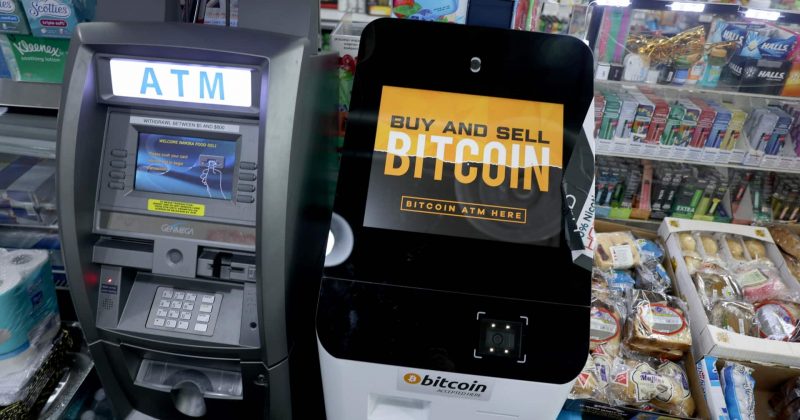
Regulatory Crackdown: Tennessee Bans Bitcoin and Crypto ATMs
This ban may serve as a precursor to stricter regulations across other jurisdictions, potentially hindering Bitcoin's broader market adoption and long-term growth. As states tighten their grip, the friction between traditional legal frameworks and decentralized finance continues to intensify, impacting how users interact with the blockchain.

Reserve Bank of India Doubles Down on Crypto Ban to Fight Tax Evasion
This regulatory friction highlights a significant divergence between India and the global trend of digital asset adoption. By focusing heavily on mitigating risks related to tax evasion and capital flight, the RBI is signaling that the path to legal crypto integration in India remains blocked by stringent fiscal security concerns.
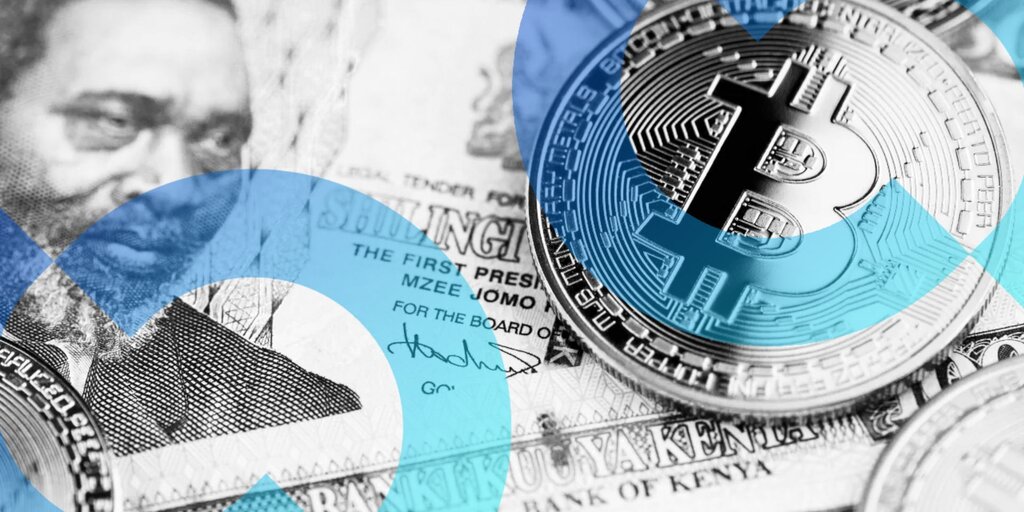
Kenya's Crypto Crackdown: Regulator Eyes Blockchain Tools to Track Financial Crime
This strategic move marks a pivotal shift in how African markets approach digital asset oversight. By deploying sophisticated blockchain analytics, the CMA aims to eliminate loopholes used for illicit activities, ensuring that the growing crypto ecosystem operates within a strictly regulated and transparent framework.
