Bitcoin Surges Past $65,000 as Geopolitical Tensions Ease and Oil Prices Plunge
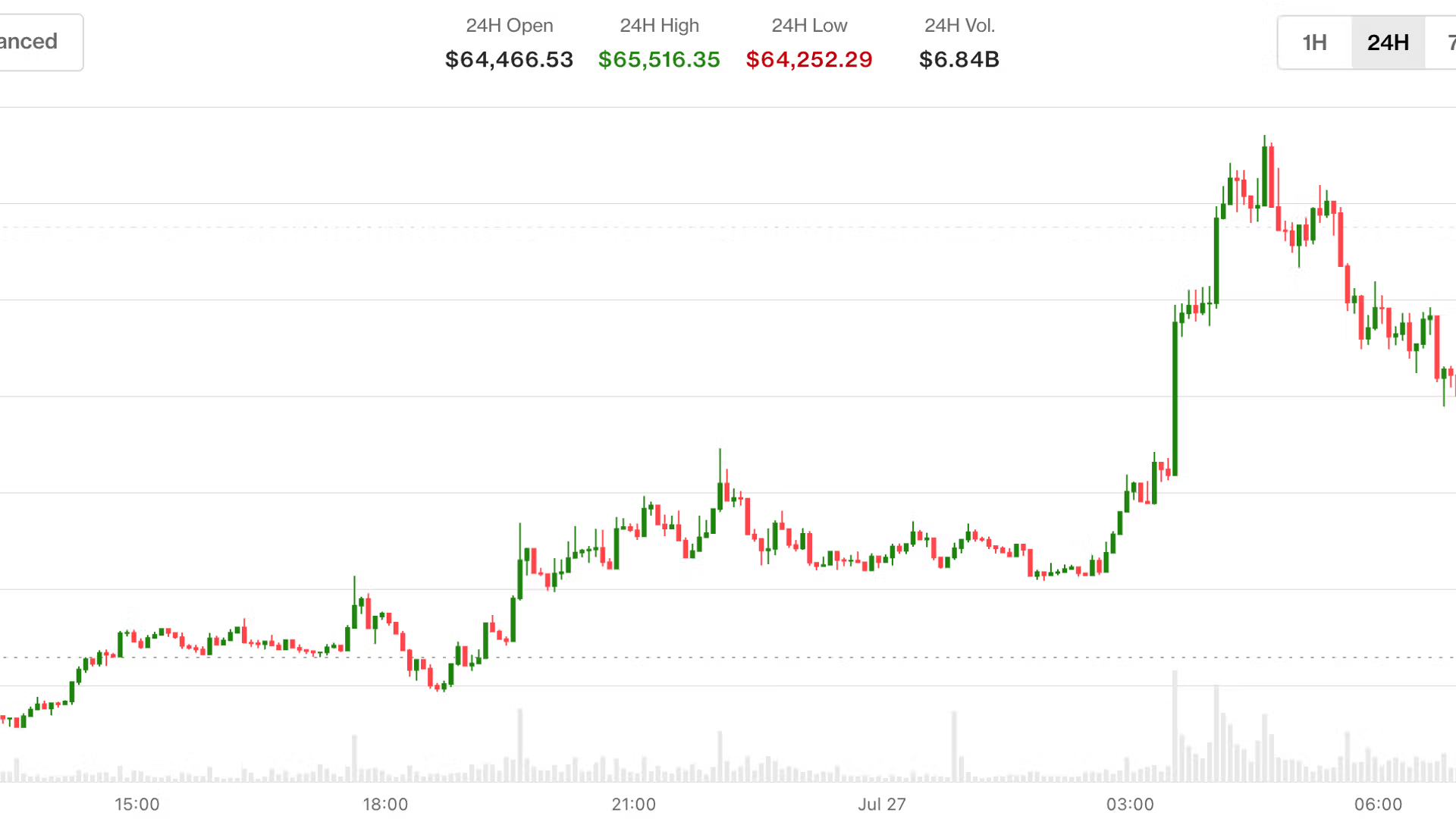
Bitcoin has reclaimed its position above the critical $65,000 threshold, signaling a shift in market sentiment. This recovery is closely tied to a reduction in global geopolitical risk, as the U.S. and Iran hold fire and oil prices drop by 5%, easing the pressure on risk-on assets.
Interestingly, ETH is currently outperforming BTC, providing strong hints of a potential altcoin rally on the horizon. As macro volatility settles, the focus shifts from defensive positioning to identifying the next major movers in the crypto ecosystem.
Bitcoin is back above $65,000 as the global market reacts to a cooling of geopolitical tensions. With the U.S. and Iran holding fire and oil prices dropping 5%, the immediate fear of a massive energy supply shock has subsided, allowing Bitcoin to regain its footing.
While the flagship asset recovers, Ethereum (ETH) is showing significant strength, outperforming BTC in recent sessions. This divergence is being closely watched by traders as a precursor to a potential altcoin rally, suggesting that liquidity may soon flow into broader crypto markets.
This is a summarized and adapted version by Artificial Intelligence. To read the complete original story, visit the official source.
Read Full Article at CoinDeskSupport Jornal Bitcoin
Independent journalism, curated by AI, no clickbait. Keep the flame alive with any amount of BTC.
jonata@walletofsatoshi.comDaily Crypto Brief 📬
Subscribe to receive the curation of the most important Bitcoin and crypto news, summarized by AI. No spam.
Join more than 10,000 smart readers.
Related News
Crypto Markets on Edge: Fed Rate-Hike Odds Rising—Here Are 4 Catalysts to Watch This Week
As odds of a Fed rate hike rise, traders will closely track inflation data and the broader macro impact on yields and capital flows. Meanwhile, earnings coverage may influence sentiment toward higher-beta assets, increasing volatility across the crypto complex, including Bitcoin.
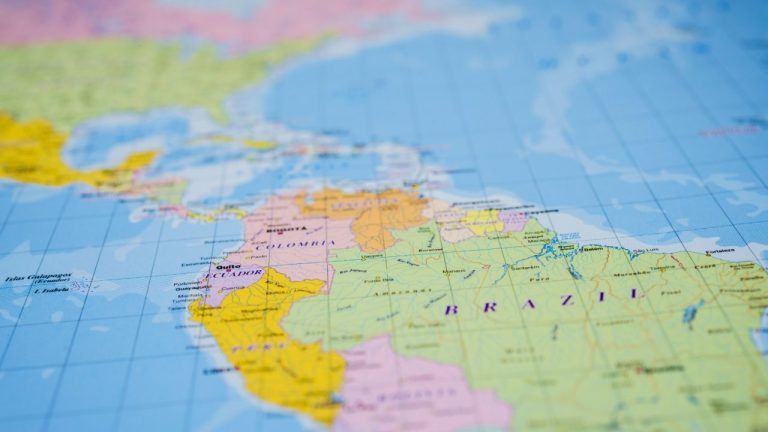
Brazil Uses Tokenized Cows as Loan Collateral—El Salvador’s Crypto Remittances Stall, Argentina Pushes a Crypto Bill
Meanwhile, El Salvador’s crypto remittances failed to gain traction, showing adoption still hinges on execution, incentives, and infrastructure. On the policy front, Argentina proposed a bill to include crypto in its financial system, underscoring a clear split: practical tokenization is moving faster than everyday usage, while regulation is setting the agenda for the next phase.
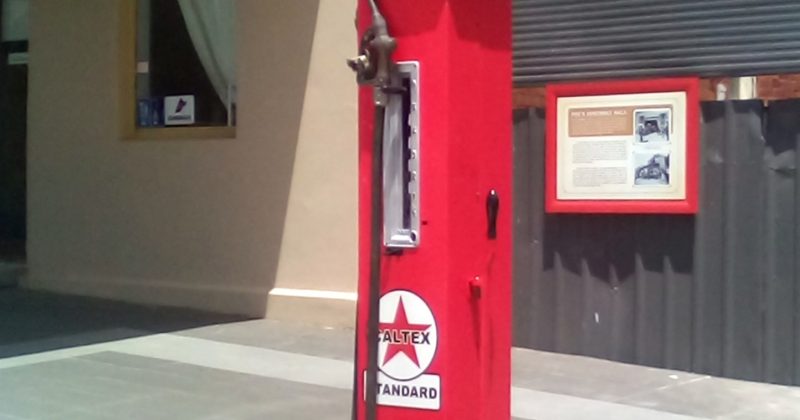
Geopolitical Chaos: US-Iran Ceasefire Collapse Sends Australian Gasoline Prices Skyrocketing
Beyond the pump, the rising cost of fuel is expected to drive significant inflation, potentially forcing a shift in monetary policy. As geopolitical instability continues to ripple through global supply chains, the economic consequences for Australia and the broader financial landscape remain highly uncertain.
Escalation Alert: Israel Establishes Restricted Zones in Southern Lebanon Amid Rising Tensions
These increased military measures threaten to destabilize existing regional ceasefires, potentially triggering a broader conflict. As the situation evolves, the impact on regional stability and global risk sentiment remains a primary concern for analysts monitoring the Middle East.

Security Breach: Garden Finance Shuts Down App Following $450,000 Exploit
This breach highlights the ongoing vulnerabilities within cross-chain bridging and atomic swap protocols. As the attacker exploited the time-bound escrow mechanisms used to facilitate Bitcoin swaps, the incident serves as a stark reminder of the security risks inherent in multi-chain interoperability within the DeFi space.
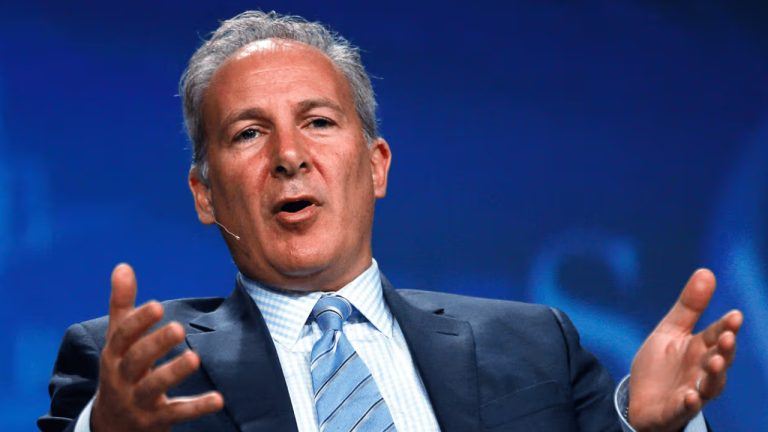
Peter Schiff Warns: Japan’s Bond Crisis Could Be the Pin That Pops the US Bubble
In addition to the Japanese bond volatility, Schiff points to the recent cracks in the artificial intelligence stock trade as a sign of overheating in the tech sector. He suggests that the convergence of a weakening AI rally and Japanese market instability creates a high-risk environment for US-based indexes and global capital.
