Brazil Uses Tokenized Cows as Loan Collateral—El Salvador’s Crypto Remittances Stall, Argentina Pushes a Crypto Bill

Intel Brief: Latin America’s crypto week delivered real-world signal—Brazil saw tokenized cattle surge as collateral for a loan, highlighting how tokenized assets can unlock liquidity.
Meanwhile, El Salvador’s crypto remittances failed to gain traction, showing adoption still hinges on execution, incentives, and infrastructure. On the policy front, Argentina proposed a bill to include crypto in its financial system, underscoring a clear split: practical tokenization is moving faster than everyday usage, while regulation is setting the agenda for the next phase.
Across the region, the story is unfolding on two tracks at once. On one side, real-world tokenization is finding concrete use cases—potentially reshaping access to credit and creating new ways for value to move. On the other, day-to-day adoption, like remittances, still faces friction where user behavior, trust, and infrastructure decide whether the momentum sticks. Meanwhile, Argentina’s push to formalize crypto through legislation aims to turn momentum into rules—and give the market a clearer path forward.
This is a summarized and adapted version by Artificial Intelligence. To read the complete original story, visit the official source.
Read Full Article at Bitcoin.comSupport Jornal Bitcoin
Independent journalism, curated by AI, no clickbait. Keep the flame alive with any amount of BTC.
jonata@walletofsatoshi.comDaily Crypto Brief 📬
Subscribe to receive the curation of the most important Bitcoin and crypto news, summarized by AI. No spam.
Join more than 10,000 smart readers.
Related News

Operation Commodity: Brazilian Police Bust $196M Crypto-Laundering Ring Linked to Massive Cocaine Shipments
Investigators uncovered a complex laundering web that integrated shell companies, luxury car dealerships, and cryptocurrency to obfuscate the paper trail. This crackdown underscores the critical intersection between global drug trafficking and the misuse of digital assets to bypass traditional financial oversight.

Peter Schiff Warns: Japan’s Bond Crisis Could Be the Pin That Pops the US Bubble
In addition to the Japanese bond volatility, Schiff points to the recent cracks in the artificial intelligence stock trade as a sign of overheating in the tech sector. He suggests that the convergence of a weakening AI rally and Japanese market instability creates a high-risk environment for US-based indexes and global capital.

Two-Week Countdown: The High-Stakes Race for Crypto Regulatory Clarity in the US Senate
Failure to act within this narrow timeframe could leave the crypto market in a state of legal ambiguity for months to come. The outcome of these final legislative pushes will dictate the pace of institutional adoption and the overall trajectory of blockchain innovation in the United States.

Beyond Payments: Ripple’s Massive Pivot to Full-Stack Financial Infrastructure
By building this comprehensive layer, Ripple is setting the stage to reshape the landscape of institutional finance. The move aims to streamline how digital assets and liquidity are managed, potentially lowering barriers to entry and driving massive-scale adoption of blockchain-based financial services across the globe.
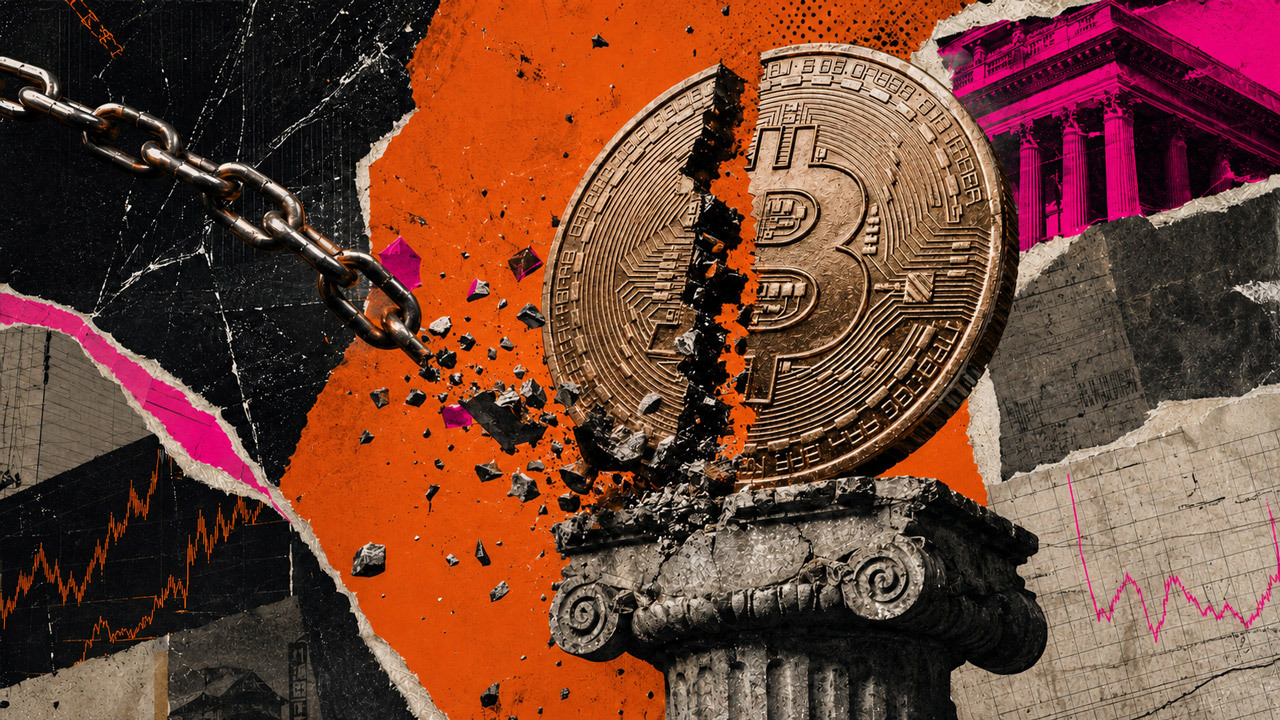
Debt Escape: Two Public Companies Quietly Dump 511 Bitcoin to Avoid $31.7M Liability
By executing these voluntary sales, KULR successfully mitigated its collateral risk, while Smarter Web addressed near-term maturity issues to prevent the issuance of 7.7 million potential shares. This maneuver highlights how institutional players are utilizing Bitcoin to navigate debt management and prevent shareholder dilution.
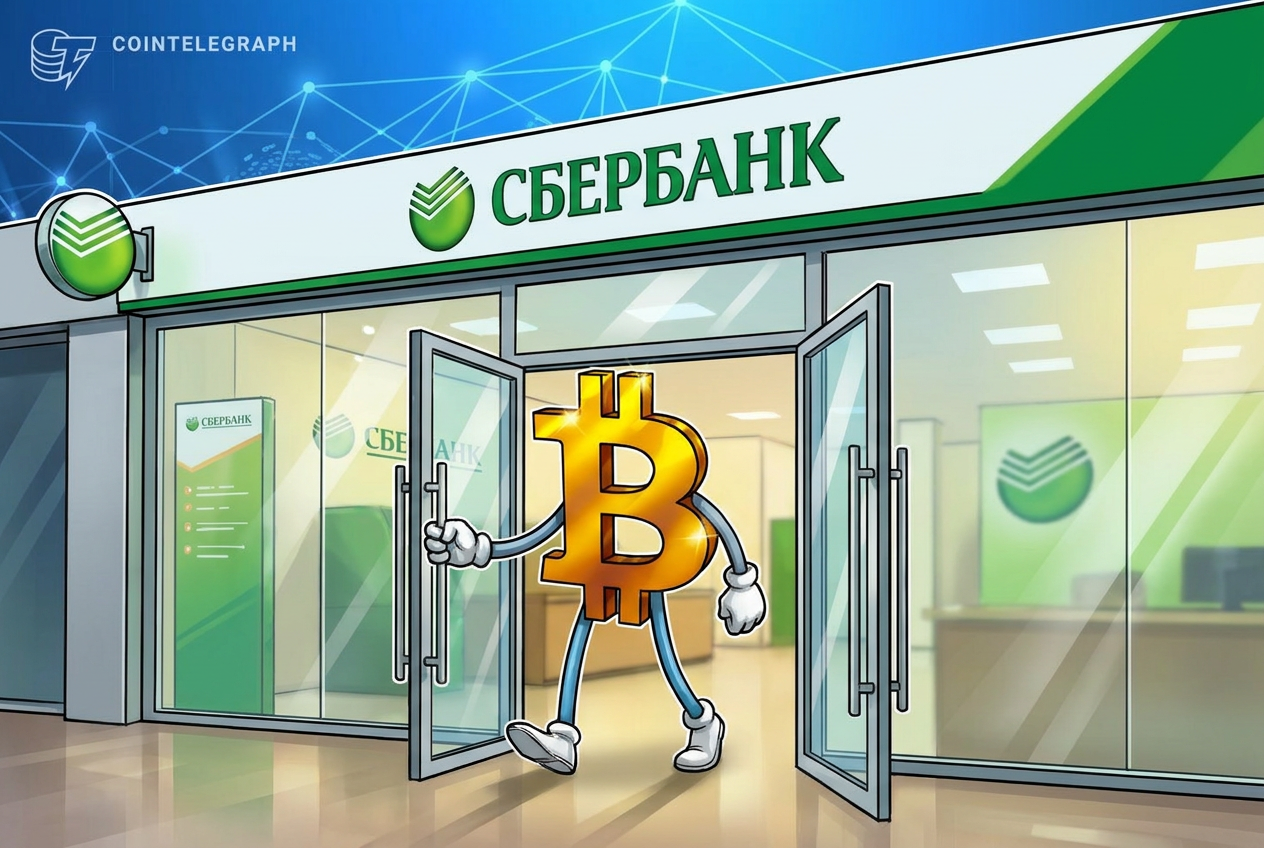
Russia's Sberbank to Launch Massive Crypto Trading Infrastructure by Year-End
This development is a pivotal step toward allowing crypto assets to be utilized in foreign trade operations, providing a workaround for traditional financial constraints. By utilizing active wallets and processing transactions off the main blockchain, Sberbank intends to offer a high-speed, compliant environment for large-scale digital asset transactions.
